
ROME FACTS
24 Oct, 2024
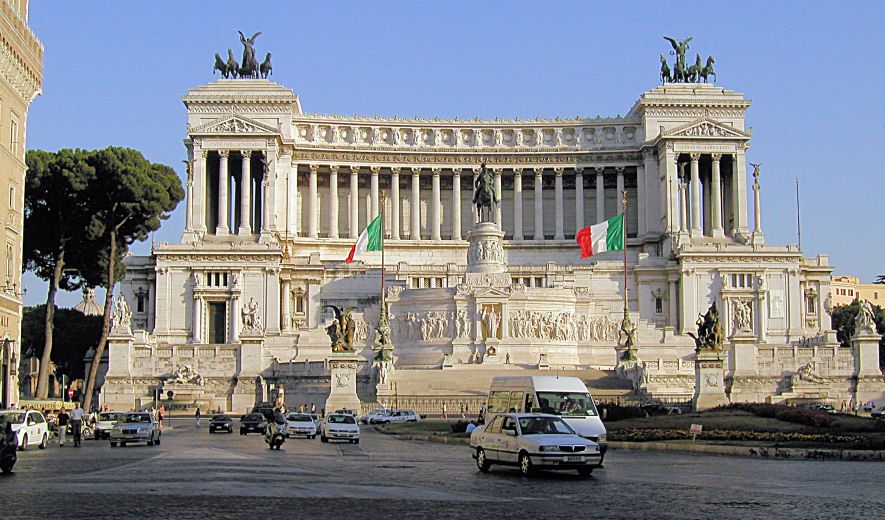
- Rome was founded in 735 BC by Romulus.
- Modern Rome has 280 Fountains and more than 900 Churches.
- Rome became the capital city of unified Italy in 1870, taking the title from Florence.
- Rome is known as the “Caput Mundi” or “Capital of the World”.
- Rome is also known as the “Eternal City”.
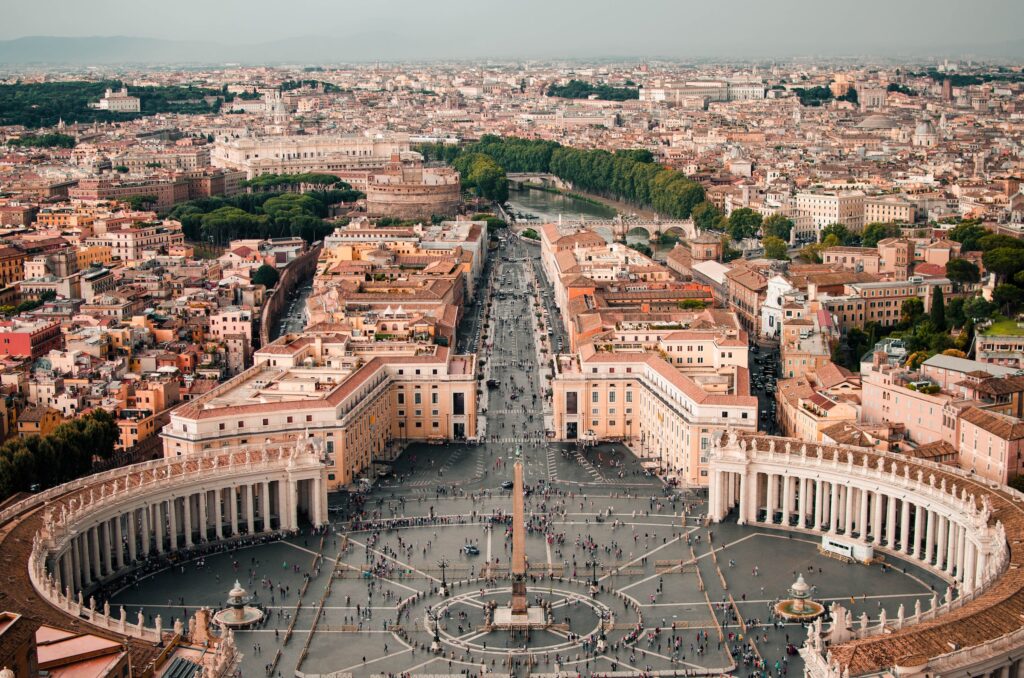
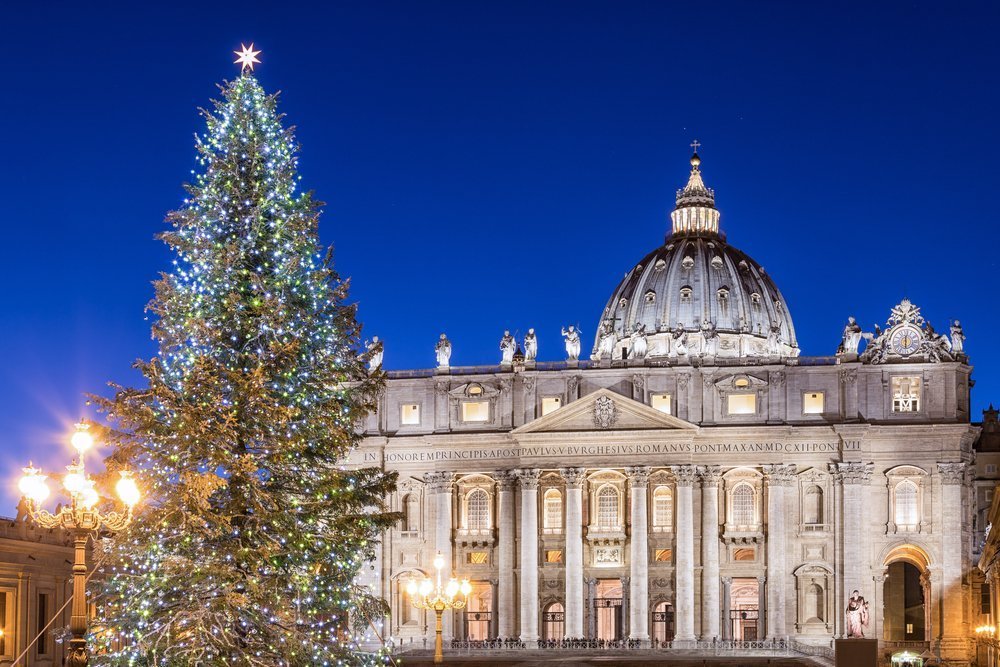
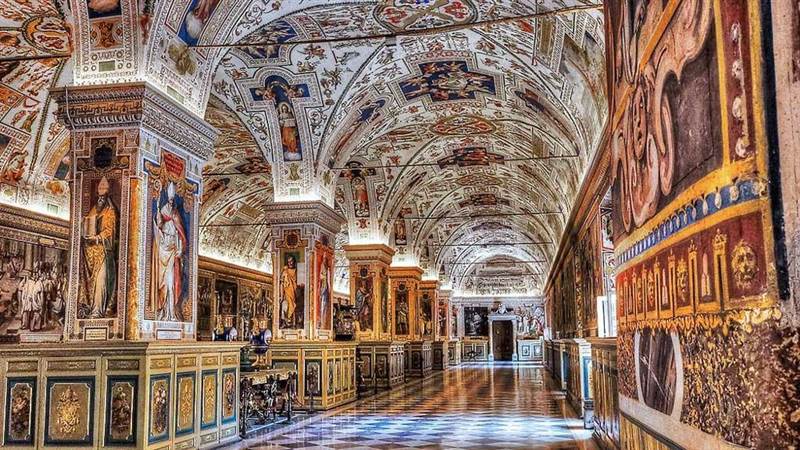
- The Vatican City is the smallest generally recognised sovereign state in the world; With an area of just 0.44km2. The papal state has been formally recognised as a sovereign state since 1929.
- Saint Peter’s basilica – inside the Vatican City – is the largest church ever constructed.
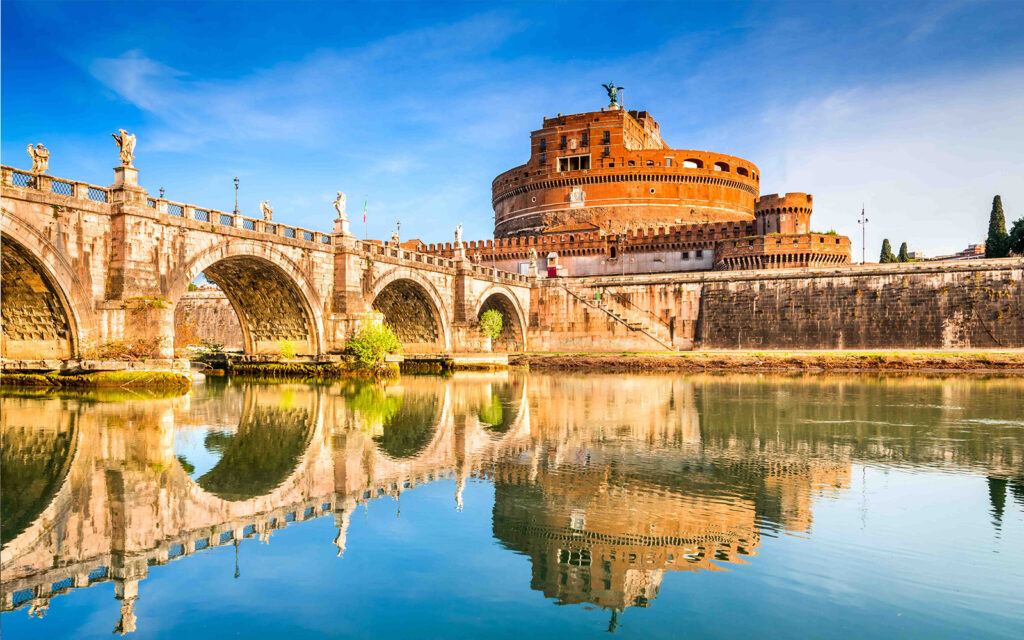
- There is a secret passage that’s leading from Vatican City to Castel Sant’Angelo.
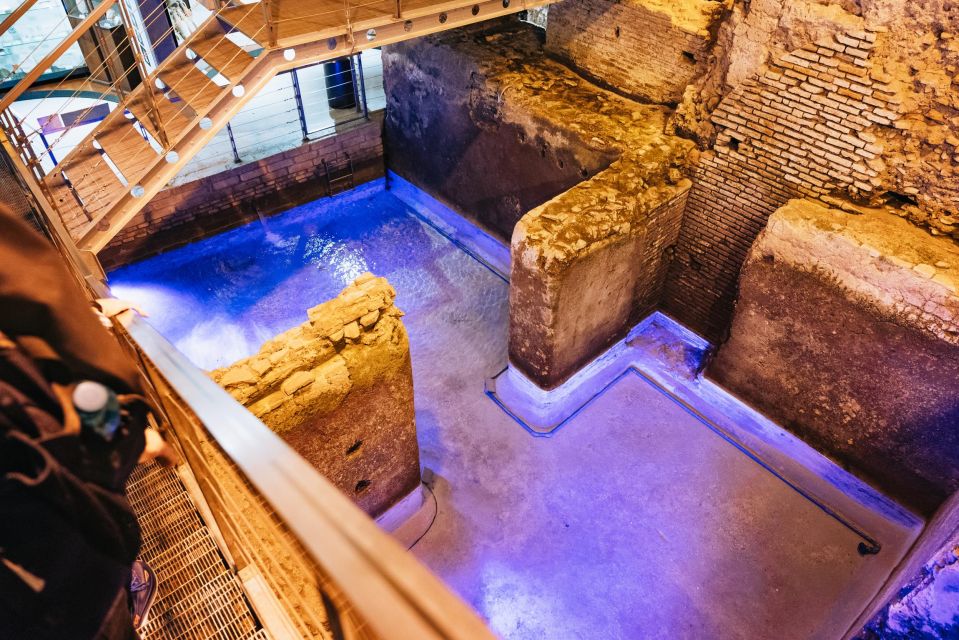
- The Ancient city of Rome is about 30 feet (9-meter) below the modern street level.
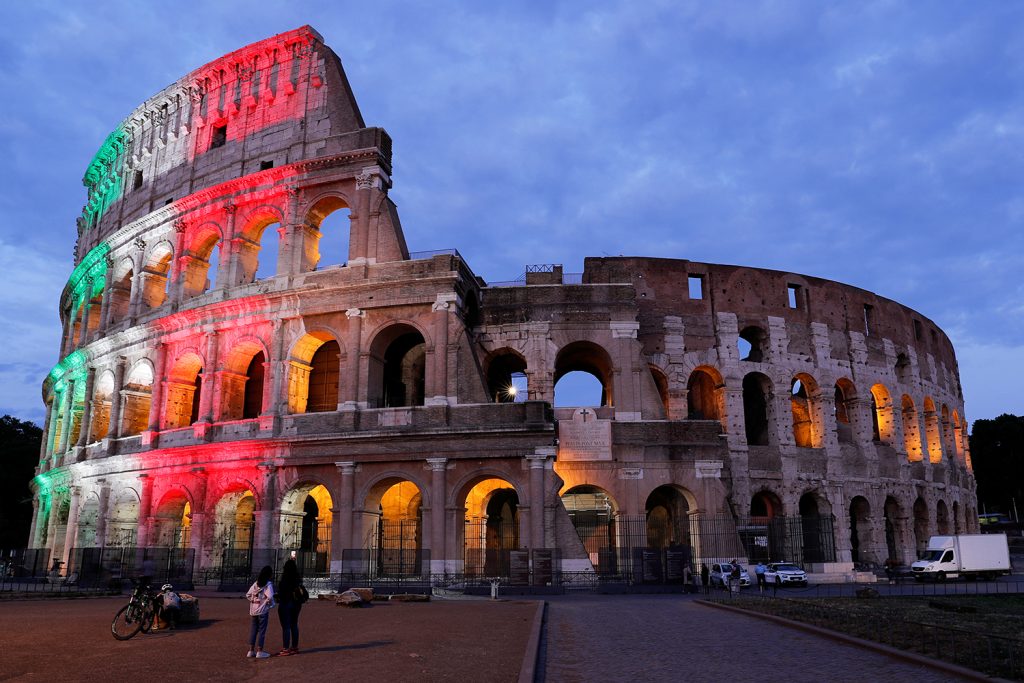
- The Colosseum of Rome is one of the Seven Wonders of the World.
- The symbol SPQR, which is found all over the city of Rome, stands for “Senatus Populusque Romanus” i.e. “The senate and the people of Rome”.
- Rome is older than Italy. Founded around 53 B.C. making it 2,500 years older than Italy.
- Italy did not become a unified nation until late in the 19th century.
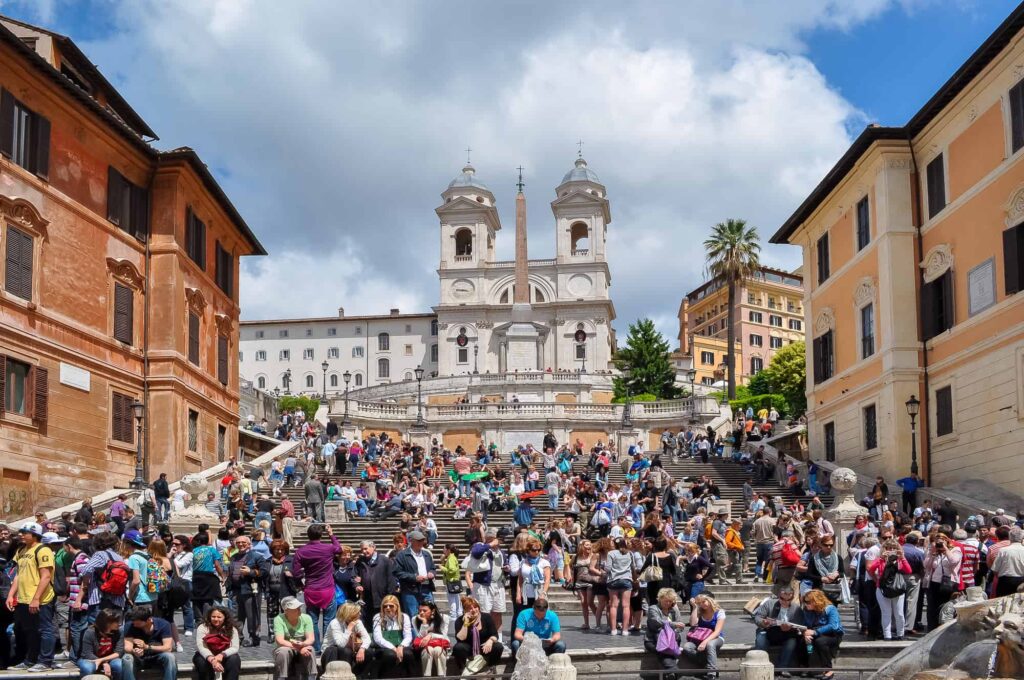
- The Spanish Steps are not Spanish at all. The famous outdoor steps were funded by the French diplomat, Etienne Gueffier; and designed by Italian architects Francesco de Sanctis and Alessandro Specchi. Steps are called Spanish after the Spanish Embassy’s location.
- Rome’s first university, “La Sapienza”, was established in 1303 AD. It is the largest in Europe and the 2nd largest in the world.
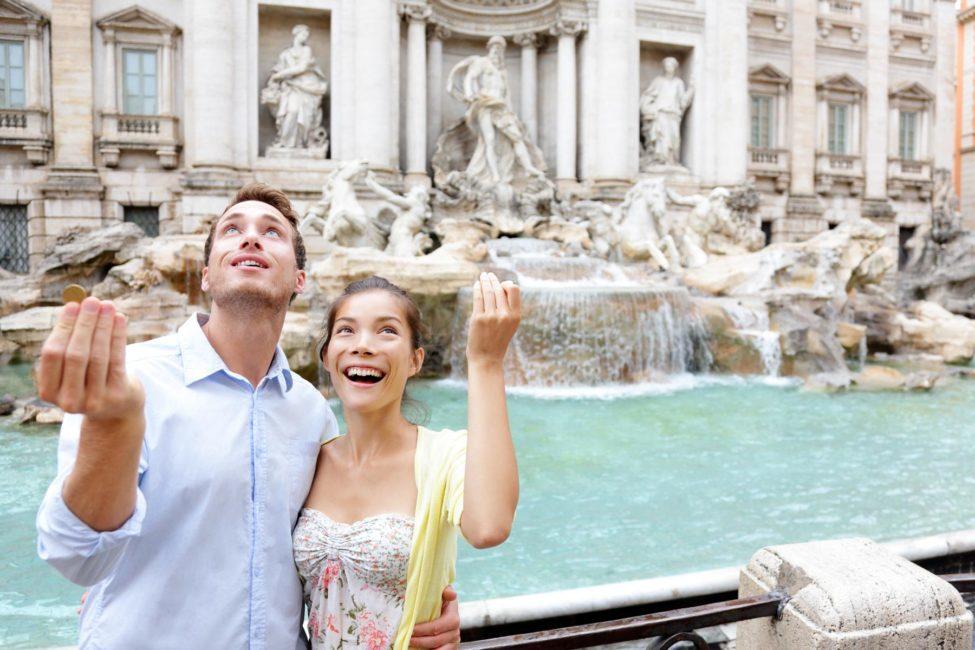
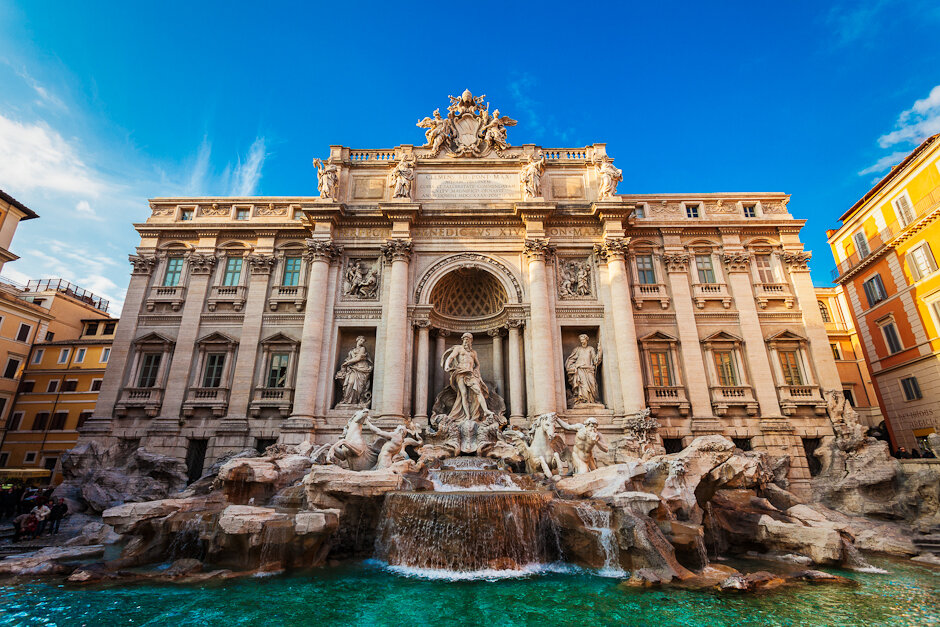
- Nearly 700,000 Euros worth of coins are tossed into Rome’s Trevi Fountain each year. The proceeds are donated to Caritas to help those in need.
- Romans had built a road network of 53,000 miles by the early 4th century. Each Roman mile was about 4,800 feet and marked by a milestone, giving birth to the saying “All roads lead to Rome.”
- The word “Palace” comes from the Palatine Hill, where Augustus initiated the tradition for Emperors’ to build their palaces.
- The mascot of Rome is a she-wolf that cared for brothers Romulus and Remus, Rome mythological Founders.
- Cats, by law, are free to roam in Rome.
- The Emperor Trajan built, around 107 and 110 AD, the first shopping mall in Rome. It had multiple levels, over 150 outlets.
- Rome has a museum dedicated entirely to pasta.
- Roman Gladiators rarely fought to death. Instead they were considered celebrities, but many were slaves. These harsh conditions inspired rebellions e.g. Spartacus.
- Ancient Romans celebrated a festival called “Saturnalia” in which slaves and their masters switch places.
- The Roman Emperor, Gaius Caligula, made his horse a senator, fed prisoners to wild animals, and had conversations with the moon.

- In Ancient Rome, only free men wore a Toga, a sign of Roman citizenship. Women wore Stola.
- The Purple-coloured clothing was a status symbol reserved only for Emperors or Senators.
- In Ancient Rome, women dyed their hair with goat fat and beech wood ashes. Popular colours were blonde and red.
- Romans used to eat their dinner lying down, lounging around on couches (sofas).
- Romans washed their clothes with urine. The liquid was collected in vessels, called fullos, which stood on the streets.