ETIAS & EES
European Union: New Rules & System
In Brief:
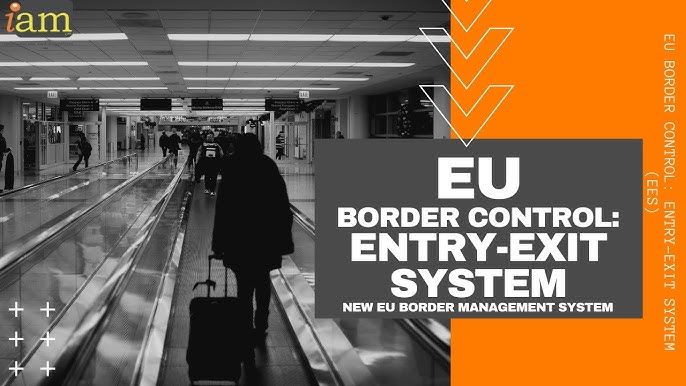
EES: ENTRY EXIT SYSTEM
- Register visa-free and visa-required travelers entering Europe for a short stay, (EU call a ‘third country’) i.e. NON- EU citizens or a citizen of Schengen area.
- EES collects FACIAL IMAGE, FINGERPRINTS, Travel Document Data, DATE and PLACE where the traveler entered and exited the EU.
- It identifies overstayers and provides reliable data on entries, exits, and refusals of entry.
- EES will replace the manual stamping of passports.
- Target Date: 10 November 2024.
ETIAS:
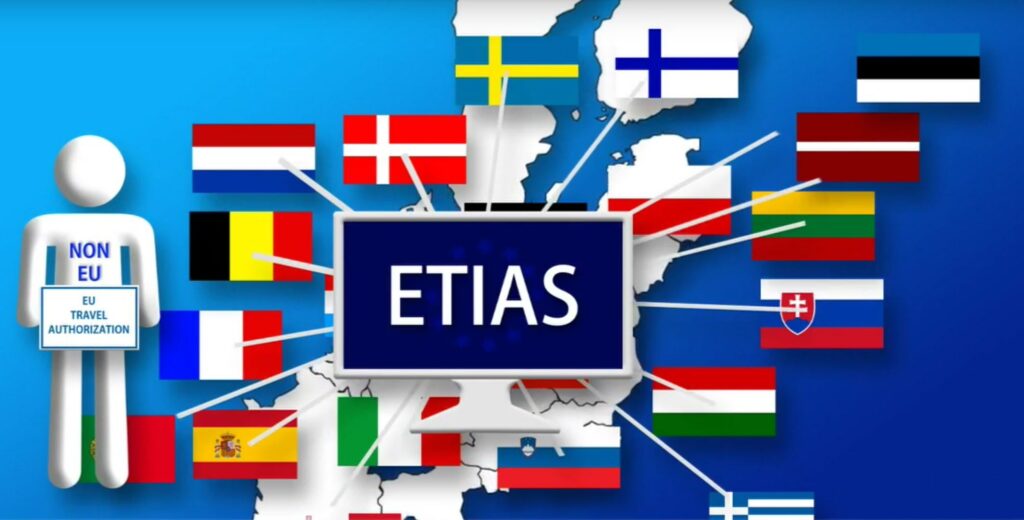
- New entry requirement for travelers who do NOT need a visa to enter 30 European countries for a short stay.
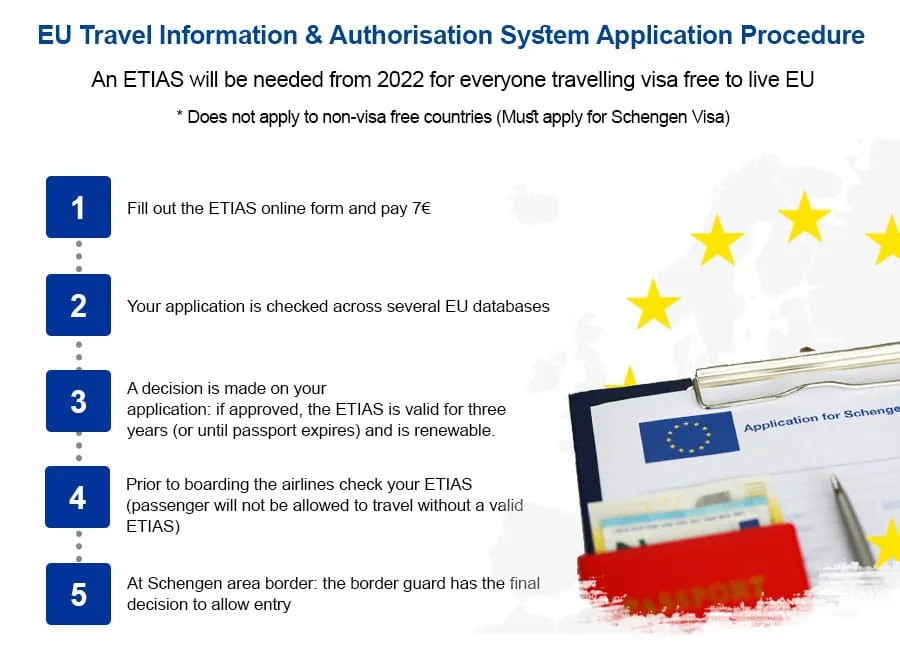
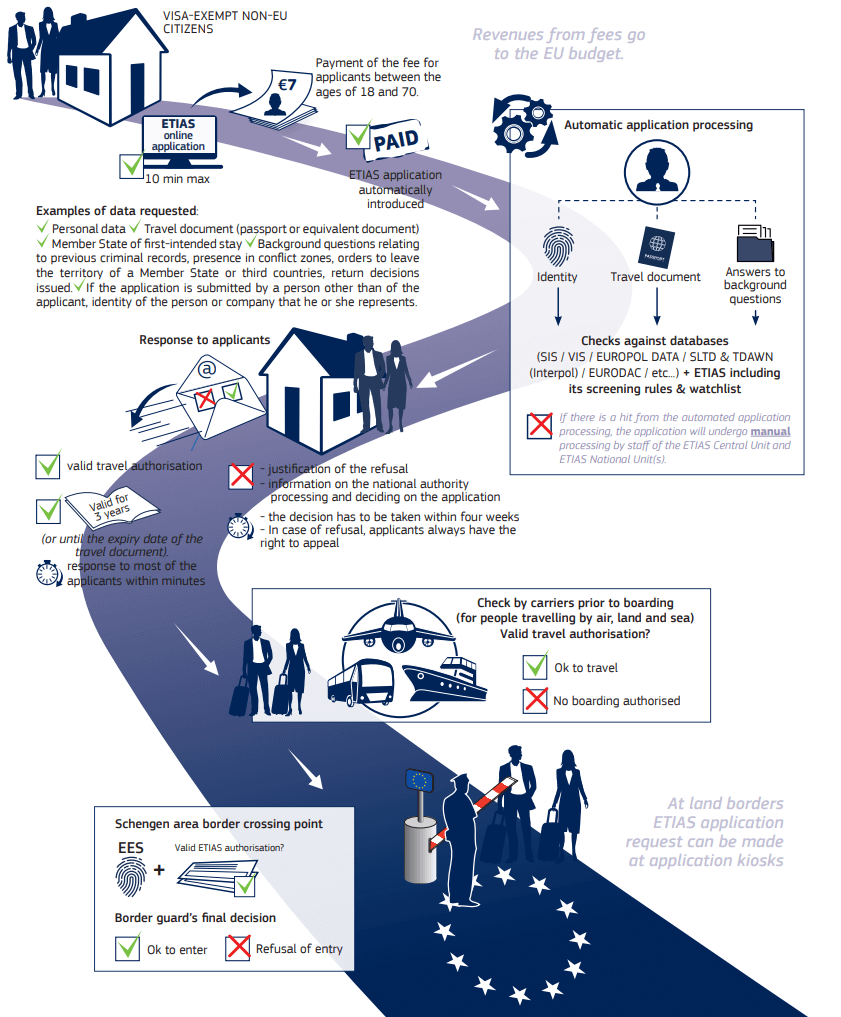
- With ETIAS, visa-free travelers need to apply for an AUTHORISATION prior to travel. ETIAS is NOT a visa.
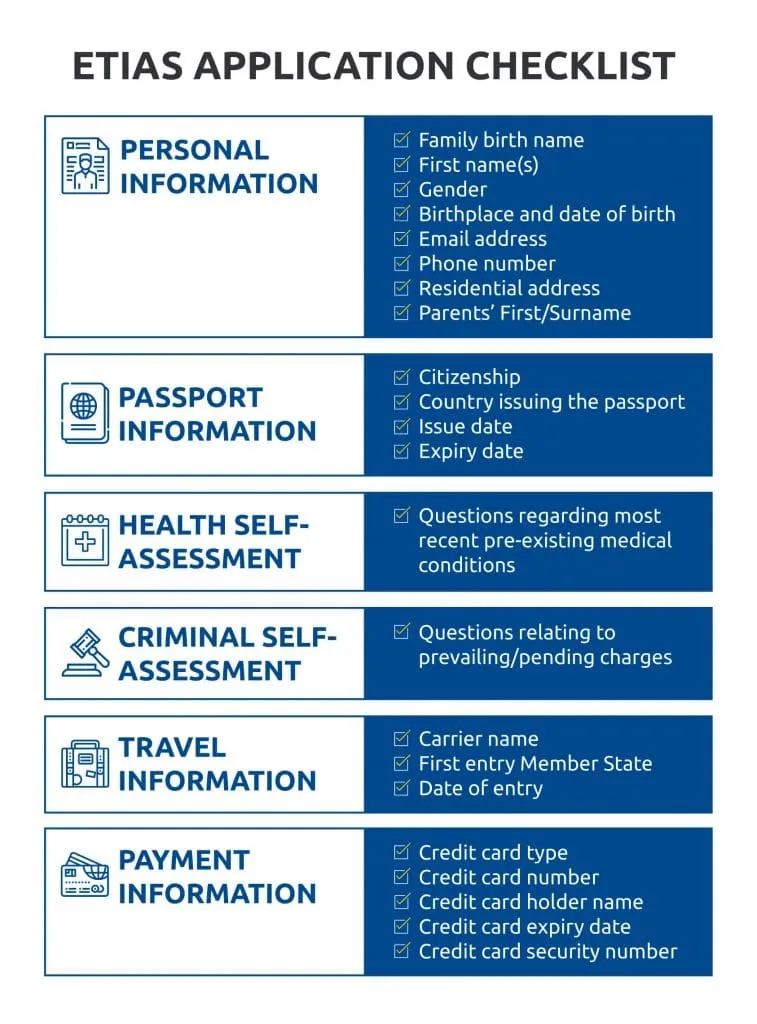
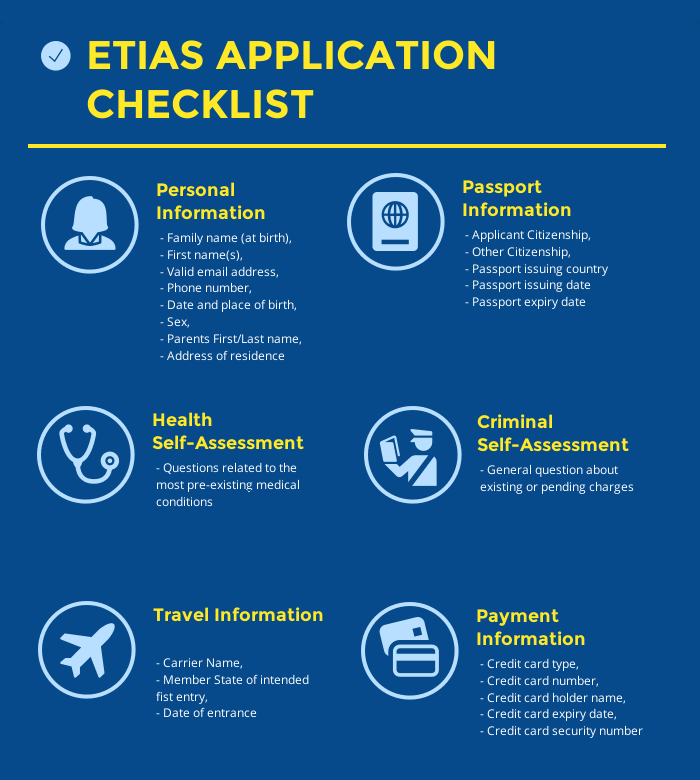
- For ETIAS: Provide personal information, address, passport details, current occupation, and information about past travel to conflict zones or criminal convictions. NO biometric data, such as fingerprints, is collected with ETIAS.
In Details:
Both systems aim to strengthen European security and security of those who travel.
Why?
ETIAS is a new entry requirement for travellers who do not need a visa to enter 30 European countries for a short stay. These include the 27 countries belonging to the Schengen Area as well as Bulgaria, Cyprus, and Romania. With ETIAS, visa-free travellers will need to apply for a travel authorisation before starting their trip. ETIAS is not a visa, and its introduction does not modify the visa-free status of travellers.
The EES will register visa-free and visa-required travellers entering Europe for a short stay. No action will be required from travellers before they start their trip, as registration will be done at the external border of any of the 29 European countries using the system. The countries in question include the 27 Schengen countries, Bulgaria, and Romania. Registration on the EES will be done every time travellers cross external borders and will replace the manual stamping of passports.
How?
When applying for an ETIAS travel authorisation, travellers will need to provide their personal information, including address, passport details, current occupation, and information about past travel to conflict zones or criminal convictions. No biometric data, such as fingerprints, is collected with ETIAS.
The EES, on the other hand, will collect travellers’ facial image and fingerprints. It will also collect travel document data as well as the date and place where the traveller entered and exited the territory of European countries using the system.
When?
Travellers will need to apply for an ETIAS travel authorisation well in advance of starting their trip to Europe, whereas registration with the EES occurs at the external border of the 29 countries using the system.
ETIAS and the EES will not be launched at the same time. The EES will become operational first and ETIAS will follow a few months after.
The exact dates will be announced by the EU later this year.
What is an EES?
The Entry/Exit System modernises the management of the EU’s external borders, gradually improving the experience for travellers. It identifies overstayers and provides reliable data on entries, exits, and refusals of entry. This system will effectively combat identity fraud by collecting biometric data.
On 10th November 2024, the EES (Entry Exit System) will be deployed within the Schengen area. The EES is a new automated IT system for digitally collecting personal data of non-EU nationals travelling for a short stay, whether they require a short-stay visa or not, each time they cross the borders of the Schengen area.Sep 6, 2024
Who needs EES?
The EU has a target date of 10 November 2024 for the EES to go live. Who will it apply to? It will apply to those travelling for a short stay, from what the EU call a ‘third country’. This is people who are not an EU citizen or a citizen of the Schengen area.