Did You Know? The Balinese New Year on March 29, will bring Bali to a standstill for 24h, with no lights, music, transport halted, and everyone must stay home.
The Guardian Quote “After days of raucous celebrations, the Indonesian island shuts down for a day of silence – and tourists aren’t exempt. Try to sneak off to the beach and expect to meet the pecalang police
In Ubud, where I’m staying, shops are closing early, ATMs aren’t working and streets are being closed. From 6am tomorrow (28 March) until 6am on Wednesday (the date changes annually following the lunar calendar), no one will leave their home. Religious rules state there should be no traffic, no fire, no work and no pleasure. Streets are eerily empty, shops and restaurants remain closed, the beaches are shut, use of electricity is kept to a minimum, there’s no transport – even the airport closes – and the pecalang community police go on patrol, ensuring compliance and reprimanding anyone who steps outside their premises.” End of quote.
The Balinese New Year, known as Nyepi or the “Day of Silence,” is a unique and deeply spiritual celebration observed by the Balinese Hindu community. It marks the start of the new year according to the Balinese Saka calendar. Nyepi is a day dedicated to self-reflection, meditation, and purification.
Here are some key aspects of Nyepi:
- Date and Duration: Nyepi begins at 6 a.m. and lasts for 24 hours. In 2025, it will be observed from March 29th to March 30th2.
- Silence and Stillness: During Nyepi, the entire island of Bali comes to a standstill. No public activities are permitted, and everyone must stay indoors. There is no lighting, no noise, no travel, and no work2.
- Pre-Nyepi Celebrations: The day before Nyepi, known as Pengrupukan Day, is marked by loud and vibrant celebrations, including the Ogoh-Ogoh parade, where giant demon effigies are carried through the streets and later burned to drive away evil spirits2.
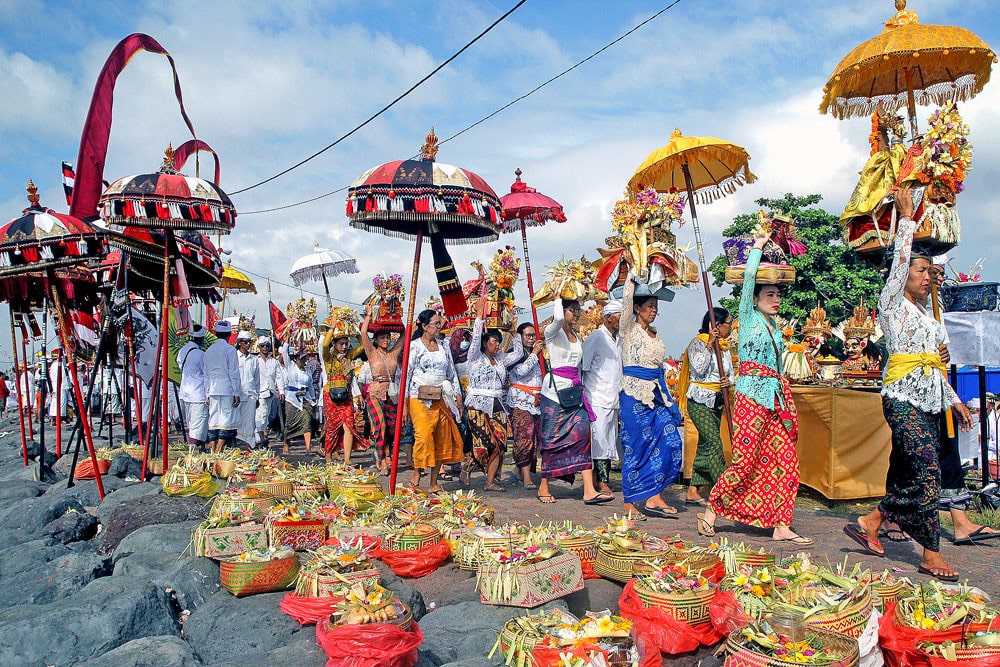
- Melasti Ceremony: A few days before Nyepi, the Melasti ceremony is performed, where sacred objects from temples are taken to the sea for purification2.
- Post-Nyepi: The day after Nyepi, known as Ngembak Geni, social activities resume, and families and friends gather to ask for forgiveness and perform religious rituals together2.
Nyepi is a time for introspection, spiritual renewal, and reconnecting with loved ones. It offers a unique opportunity for both locals and visitors to experience a profound sense of peace and tranquility.
If you ever get the chance to be in Bali during Nyepi, it’s an experience unlike any other!
POLAND FACTS
- The national colors of Poland are red and white. Red represents love, sacrifice and bravery. White for goodness and purity of intentions.
- Warsaw was almost completely destroyed during WWII. The Poles rebuilt their city using the detailed paintings of Bernardo Bellotto. Today you can still see buildings in the Old Town of Warsaw that look as they did in the 14th century, and it’s all testament to the incredible strength and resilience of the Polish people.
- Poland is bigger than both Italy and the United Kingdom.
- Poland’s Land is very diverse (e.g. beaches, lakes, forests, mountains, deserts; e.g. 800km of sandy coastline, sand dunes in the Pomerania region, wetlands in Biebrzański National Park, and even the only Central-European desert, Pustynia Błędowska.
- 15 UNESCO World Heritage Sites.
- 24 National Parks.
- Home to a Number of Beautiful Castles.
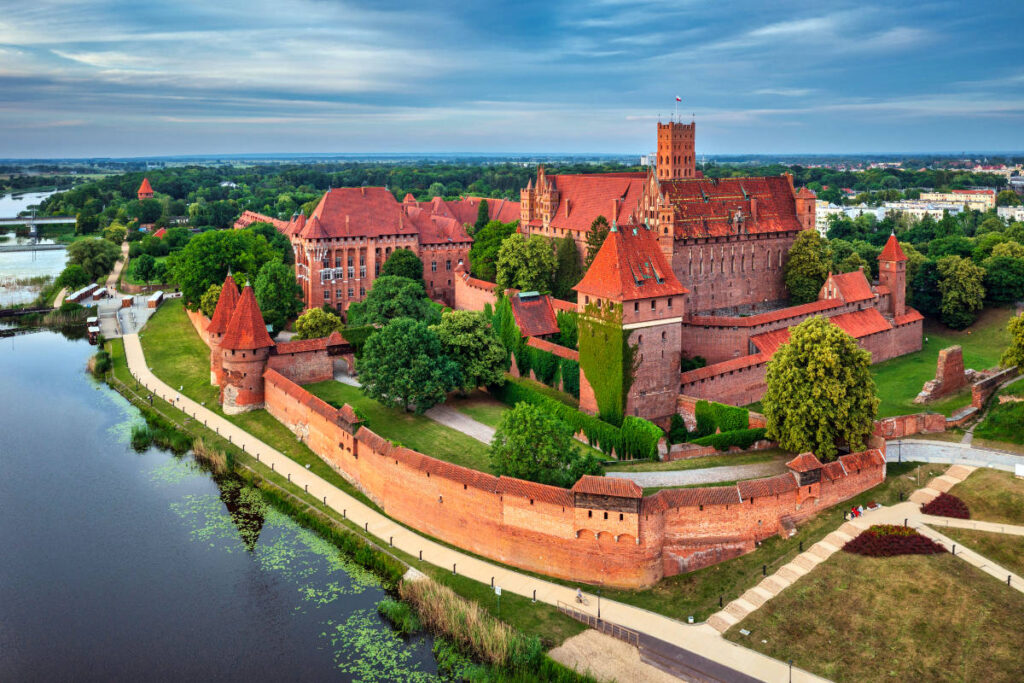
- Home to the world’s biggest castle: The Castle of the Teutonic Order in Malbork is the largest castle in the world by land area (UNESCO World Heritage Site). Malbork Castle is the largest Gothic castle in the world.
- Nicolaus Copernicus Was Polish: Copernicus was the first astronomer to establish the concept of a heliocentric solar system which proposed that the Sun is at the center of the universe rather than the Earth.
- Marie Curie was born and raised in Poland. Her given name was Maria Sklodowska. She the Nobel Prize twice in different fields of science. Maria Curie-Skłodowska was also one of the first women in the world to obtain a driving license.
- Pope John Paul II broke the record for foreign travels made (132 countries, around 900 places).
- Poles Leszek Cichy and Krzysztof Wielicki were the first people in the world to climb Mount Everest in winter.
- The Polish constitution was the first democratic constitution in Europe and the second in the world, just after the USA. We still celebrate this fact on May 3rd, which is the Constitution Day.
- Poland introduced women’s suffrage earlier than the USA, France, Sweden or Switzerland. Women got their rights to vote upon Poland independence in 1918.
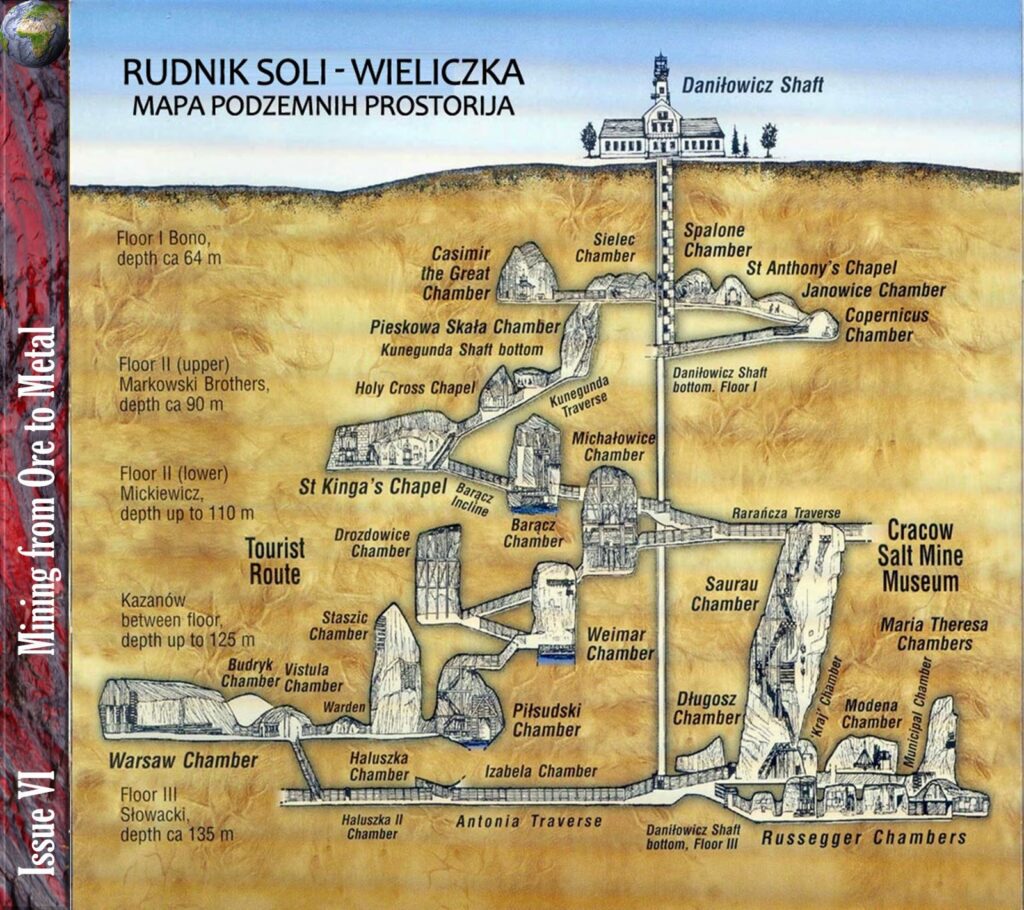
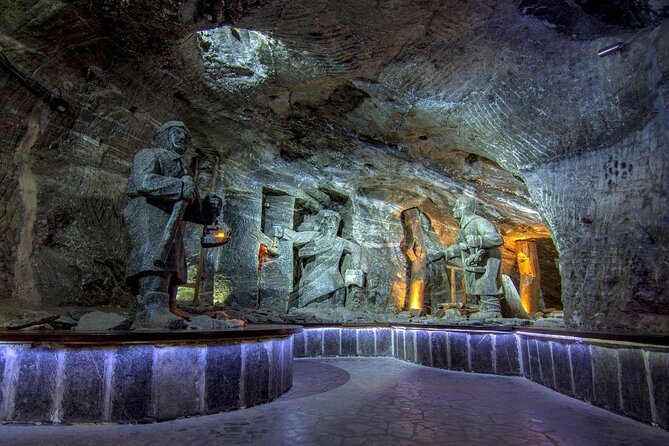
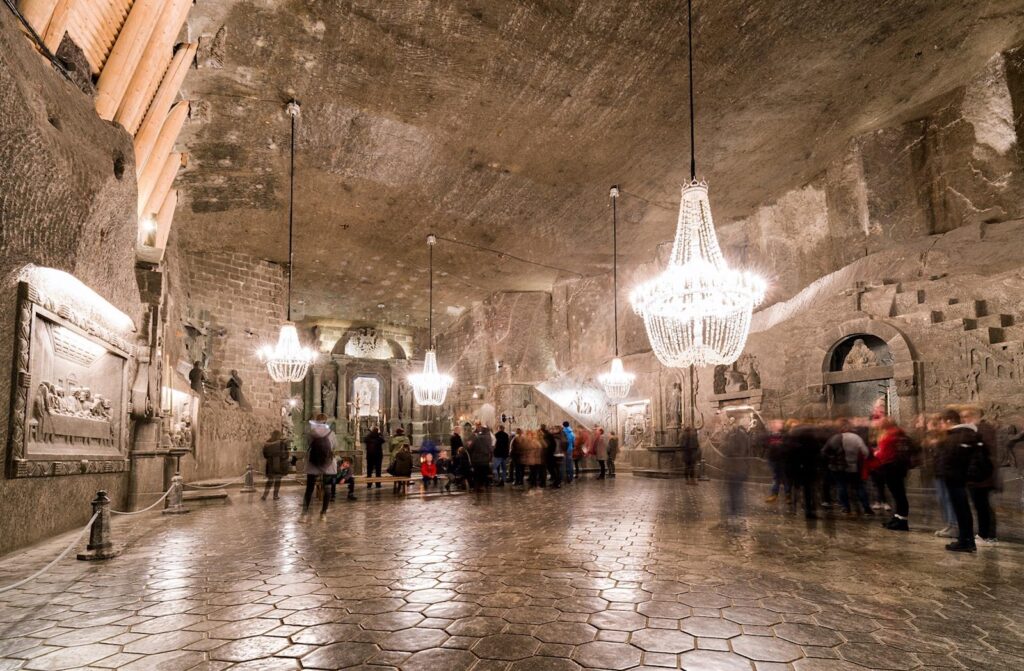
- Poland Has One of the World’s Oldest Salt Mines, the 800-year-old Wieliczka Salt Mine – UNESCO World Heritage. Famed as the Underground Salt Cathedral of Poland, chambers, sculptures, salt chandeliers, and an entire chapel carved from rock salt when you venture 135 meters below the ground.
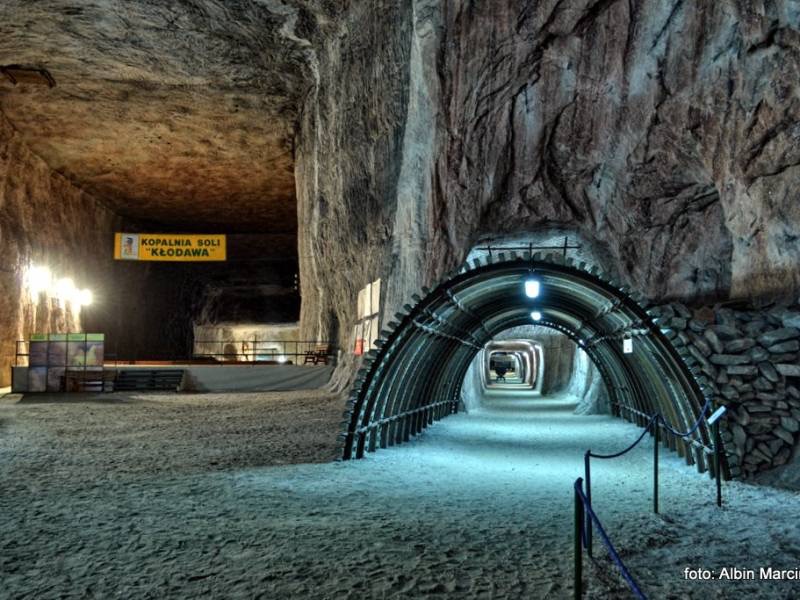
- The salt mine in Kłodawa is home to the world’s deepest Underground Tourist Route. It runs 600 m underground.
- Poland Has the Second Oldest University in Europe. Jagiellonian University was founded in 1364.
- Palace of Culture and Science in Warsaw is full of animals (cats, kestrels, …)
- Europe’s heaviest animals live in Poland. The endangered European bison is the heaviest land animal weighing over 600kg on average. They can be found roaming on the 150,000 hectares of the Białowieża Primeval Forest.
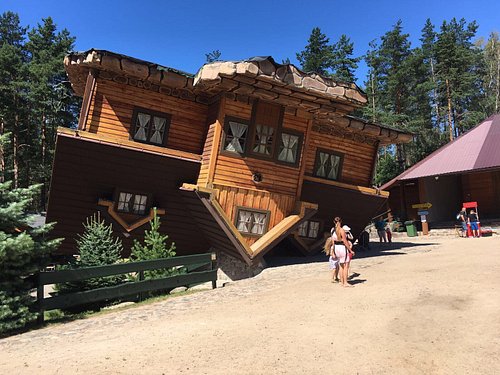
- Home to the first upside down house in the world.
- Find the original Gutenberg Bible, one of the rarest books in the world.
- In Gliwice, there is a wooden radio station 111 m high. It is the tallest wooden structure in the world.
- Wrocław is a city famous for its dwarf figures. It is estimated that there are more than 300 of them.
- The Gdańsk crane is the oldest surviving harbour crane in Europe.
- Eat at Europe’s oldest restaurant, “Piwnica Swidnicka” in Wrocław.
- Many people in Poland celebrate their name day instead of their birthday.
- Vodka is an important beverage, and lots of the world best vodkas are Polish. Many experts believe that vodka was invented in Poland, and originally used as a medicine. Poland produces around 260 million liters of it each year.
- People in Poland really like to mix their beer with raspberry syrup. In the winter, people warm it up and add cinnamon and cloves.
- Pol’and’Rock Festival is One of the Largest Free Music Festivals in the World.
- The largest open-air music festival in Europe is held in Poland. And it’s free!
- Polish surnames that end with -ski/-ska or -cki/-cka change depending on if you are male or female. If a father’s surname is Kowalski, his daughters name will be Kowalska.


FEW RECOMMENDED RESTAURANTS IN PARIS
The France of the imagination remains undimmed. The romantic boulevards and cobbled streets of Paris. The sparkling waters of the Cote d’Azur. The slow-paced villages of Provence. Each is enough to make travelers swoon. Yet while these hotspots will always be popular with Francophiles, it’s the sheer diversity of the country that makes it so alluring to millions of tourists every year. Whether it’s skiing in the Alps or Pyrenees, surfing in Biarritz or cycling through the greenways of Dieppe, France has got it all.
Throw in some of the world’s finest food and best wine, whether in a three-star Michelin restaurant or local brasserie, and it’s hard to think of a more perfect destination.
We combined and compiled a list of the 10 best French restaurants in Paris (courtesy of CNN) and Conde Nast and we came up with the below “affordable listing”:
Quote: “Down-market food trucks and pop-up restaurants have invaded Paris just like other cities around the world. But when looking for the best French restaurants in Paris, we want the kind of classic tables that make French dining a UNESCO Cultural Heritage Item.
To find the most memorable food and drink experiences, CNN turned to Meg Zimbeck, brainchild of the extensive online food guide Paris by Mouth. Zimbeck and her colleagues lead walking tours in the capital of France and have been seeking out the best tables in the city for years. With her help, CNN compiled a list of 10 best French restaurants in Paris” (end of quote):
- Bistrot Paul Bert: classic bistro experience, a gut-busting traditional French meal at its finest (there’s no escaping a food coma following a meal here).
- Septime: inventive innovative cuisine.
- Chez Casimir: where locals go for high-caliber affordable tasty bistro food.
- Relais d’Entrecôte: steak served with secret sauce and crispy fries.
- Le Chateaubriand: no-choice menu, morning ingredients put together in interesting ways.
- Verjus: the best fried chicken dishes in the city.
- Semilla: open kitchen, distinguished M.O.F. chef, the highest French honor for craftsmen, wine obtained from the nearby Derniere Goutte wine shop.
- L’Atelier de Joel Robuchon: Started by legendary French chef and restaurateur Joel Robuchon.
- Les Papilles: copious 4-course fixed menu, plate of cheese that change daily. A lot of chefs come here.
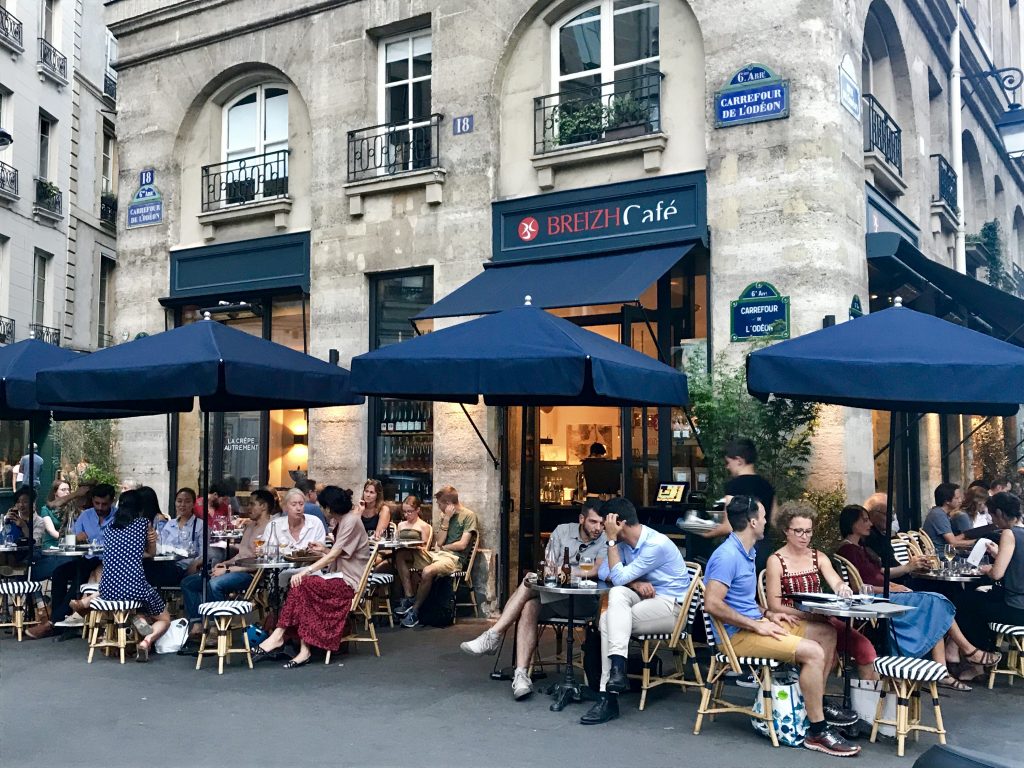
- Breizh Café: authentic Breton sit-down creperie, an authority in Paris.
Conde Nast compiled few other restaurants:
- Allard: duck with green olives, frogs legs, duck foie gras.
- Epicure: 3-Michelin-starred restaurant… a meal experience that borders on religious.
- Clamato: inventive seafood.
- Tannat: real emphasis on seasonality and wine stories …
- Benoit Paris: classic bistro (which opened in 1912): escargots, cassoulet, pate en croute, Scottish salmon with Bearnaise sauce, scallops, cheese, crepe Suzette.
- Dersou: Taku Sekine has become the chef around-town with artfully plated dishes, edible flowers…
- Le 52: for diners serious not only about food but high good-time quotient.
- Le Grand Bain: Brit Edward Delling Williams, the tall blond handsome chef.
- Anahi: steak, steak and more steak, an Argentine institution (so it is more ole than ohlala).
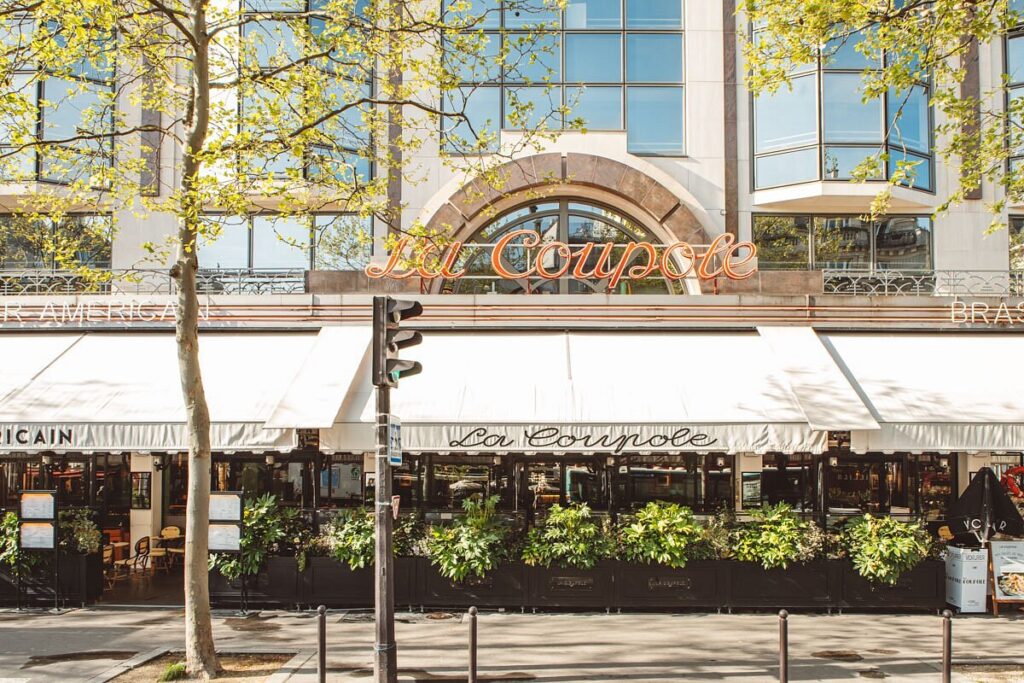
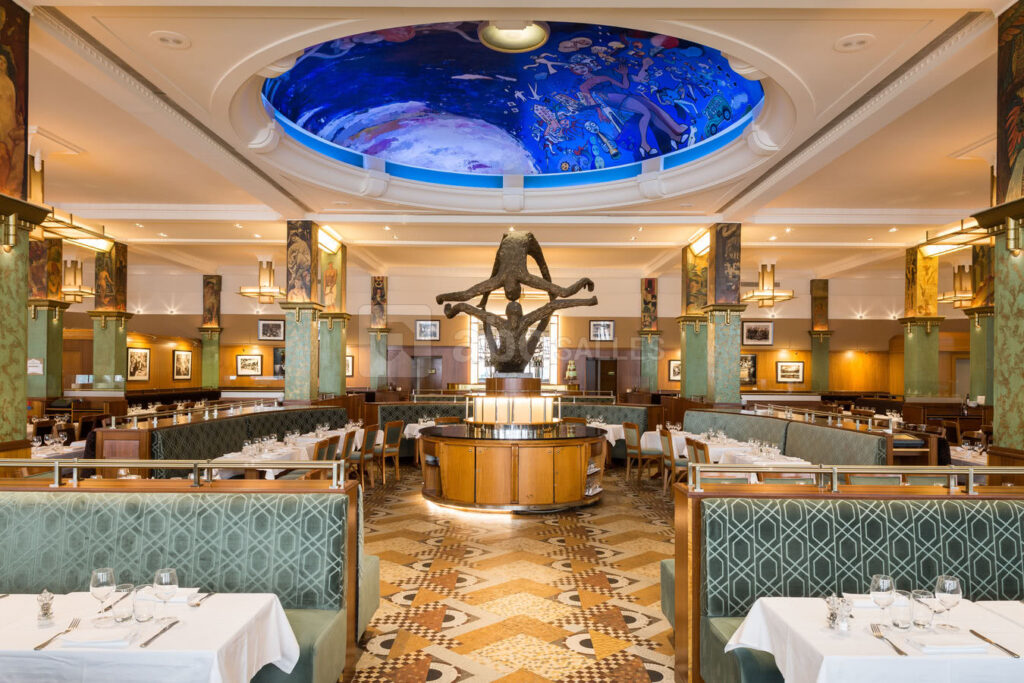
- La Coupole: typical French brasserie food with strong seafood emphasis. A living memorial to Paris’ Art Deco legacy. La Coupole has seen more than its share of Parisian Who’s Who (Henri Matisse, Marc Chagal, Jane Birkin ….).
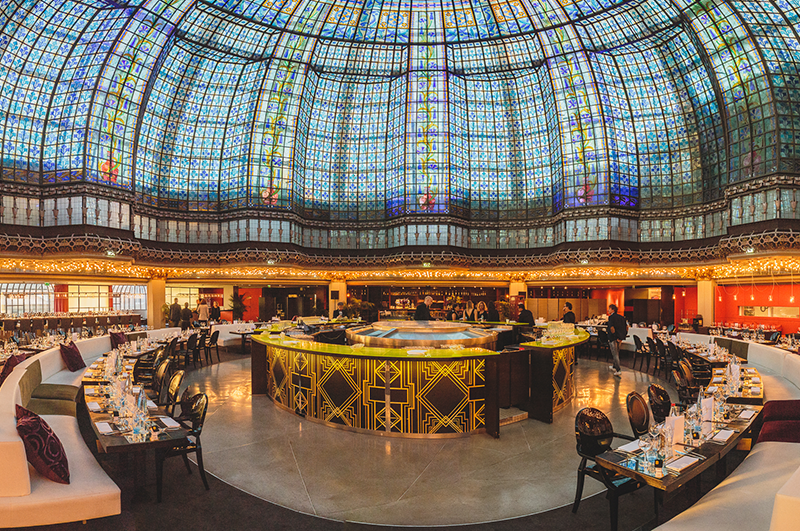
11. L’Ami Jean: the food is star of the show, refined, adventurous and surprising.
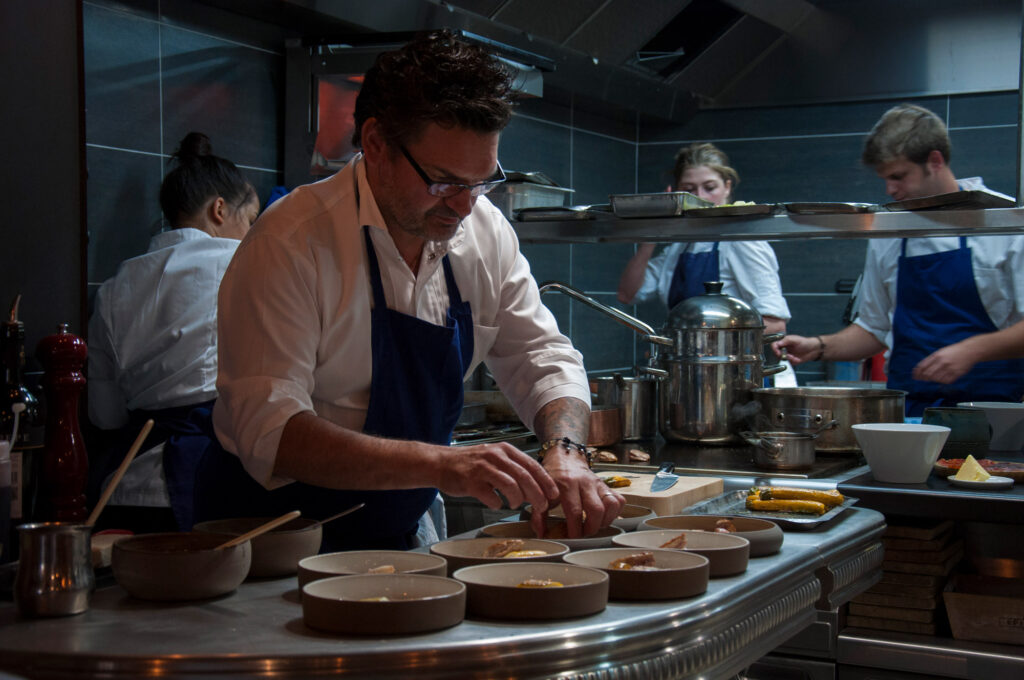
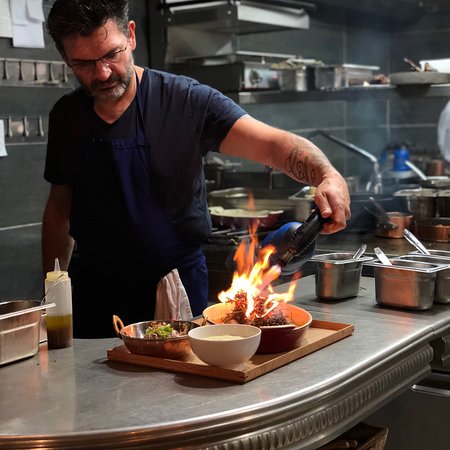
12. Ellsworth: people come here to eat well. Don’t skip the fried chicken – it’s what they’ve become known for.
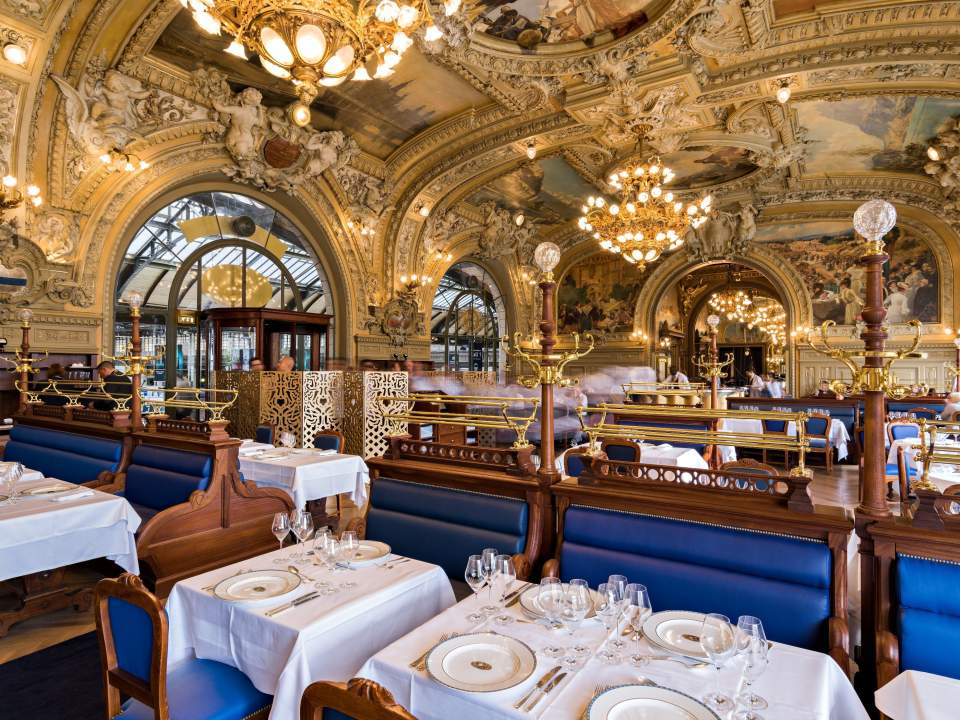
13. Le Train Bleu: one of the most dignified restaurant, an icon of Parisian dining… every inch drips with Parisian opulence.
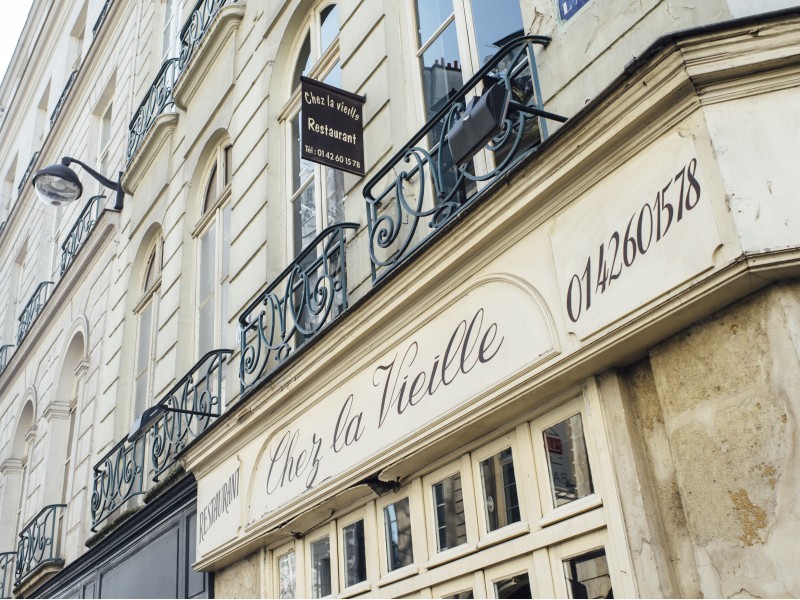
14. Chez La Vieille: reinvented bistro and his genius Chef Daniel Rose.
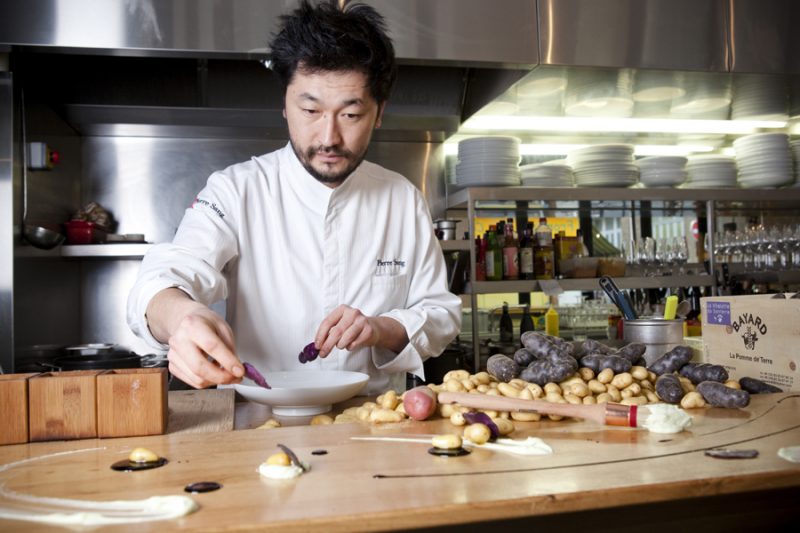
15. Pierre Sang: creative, unexpected, fresh and full of diverse flavors (with Korean touches).
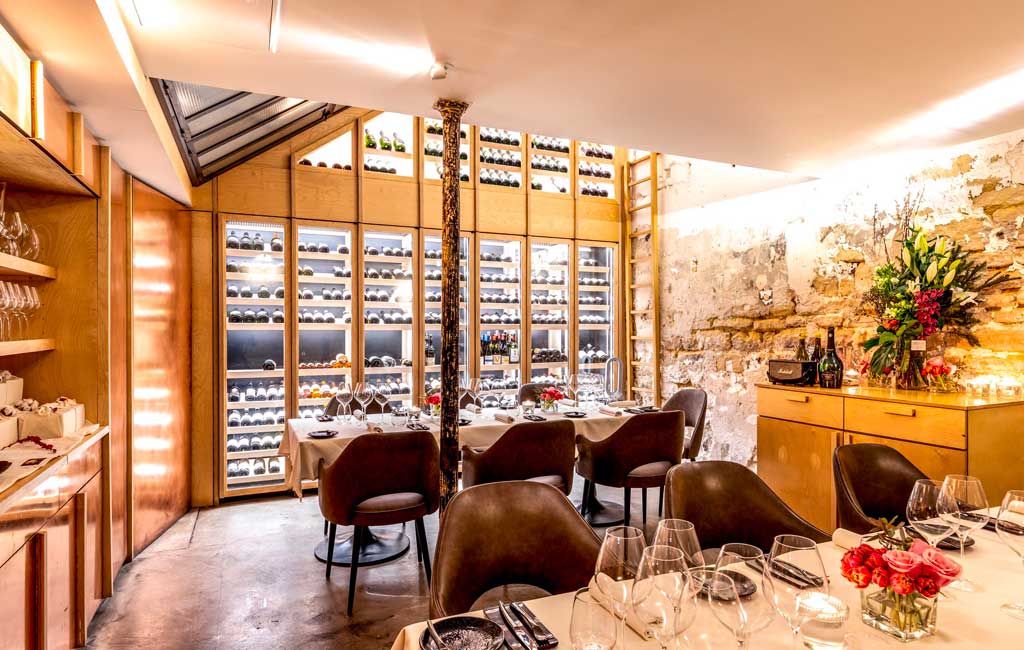
16. Bouillon Chartier: opened in 1896 with a simple mission: French food at an affordable price for the masses.
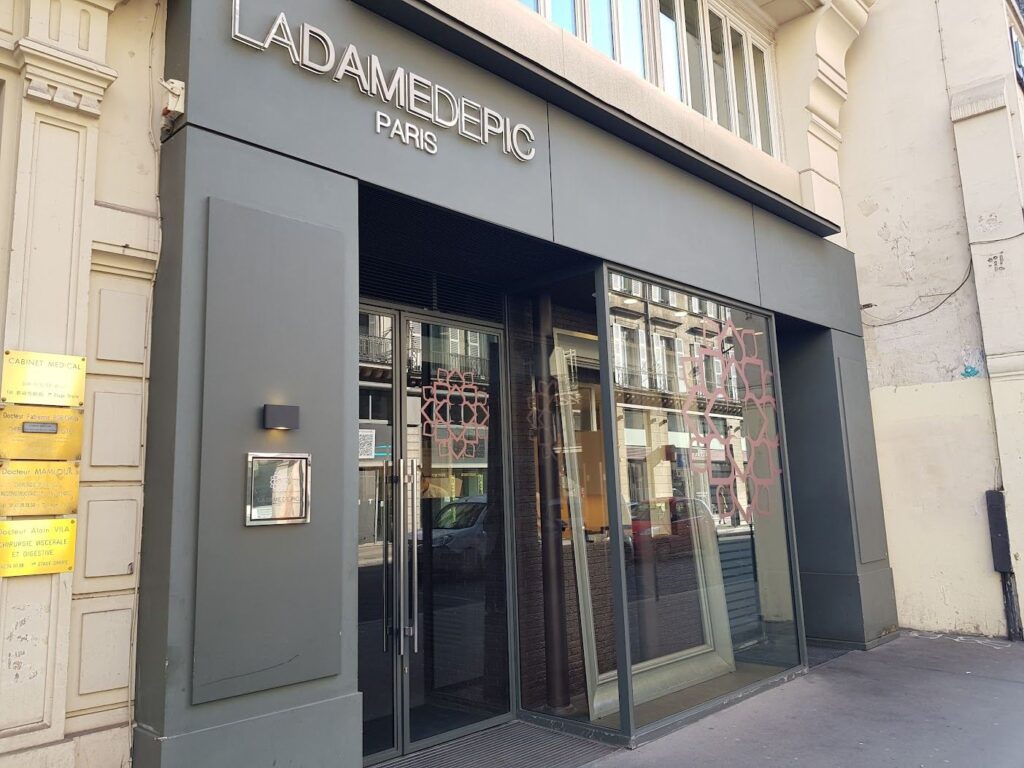
17. La Dame de Pic: Anne-Sophie’s hyperseasonal cooking is bold and delicate.
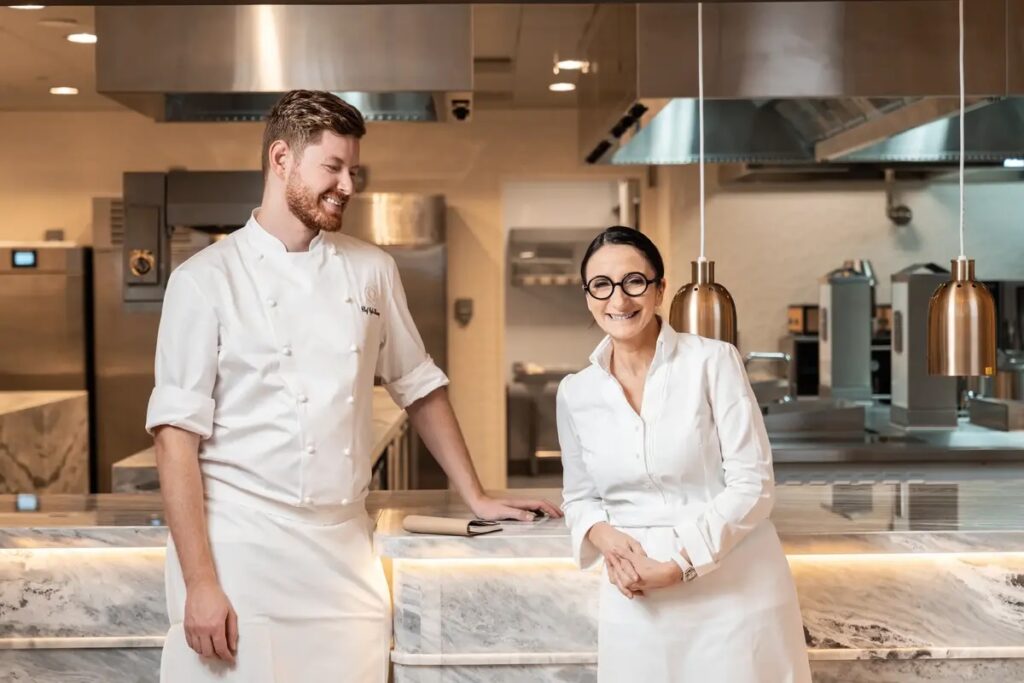
18. Vivant: spirited, confident cooking.
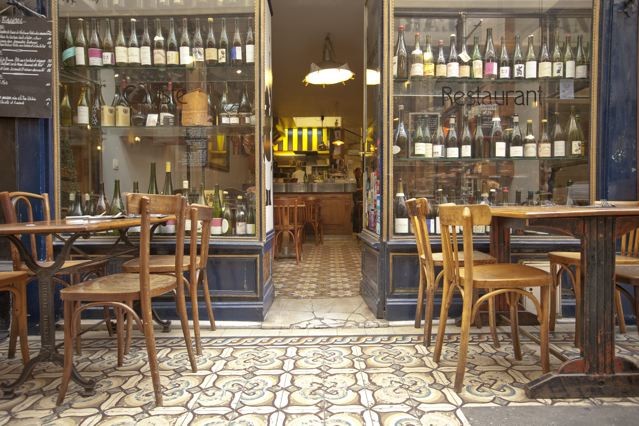
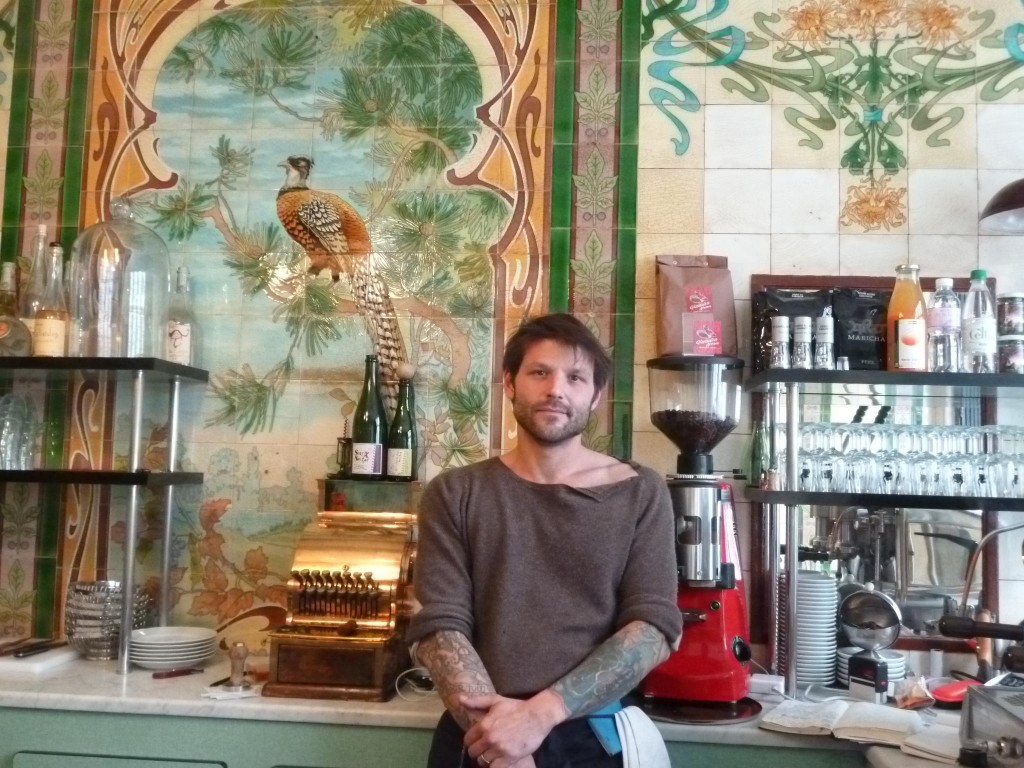
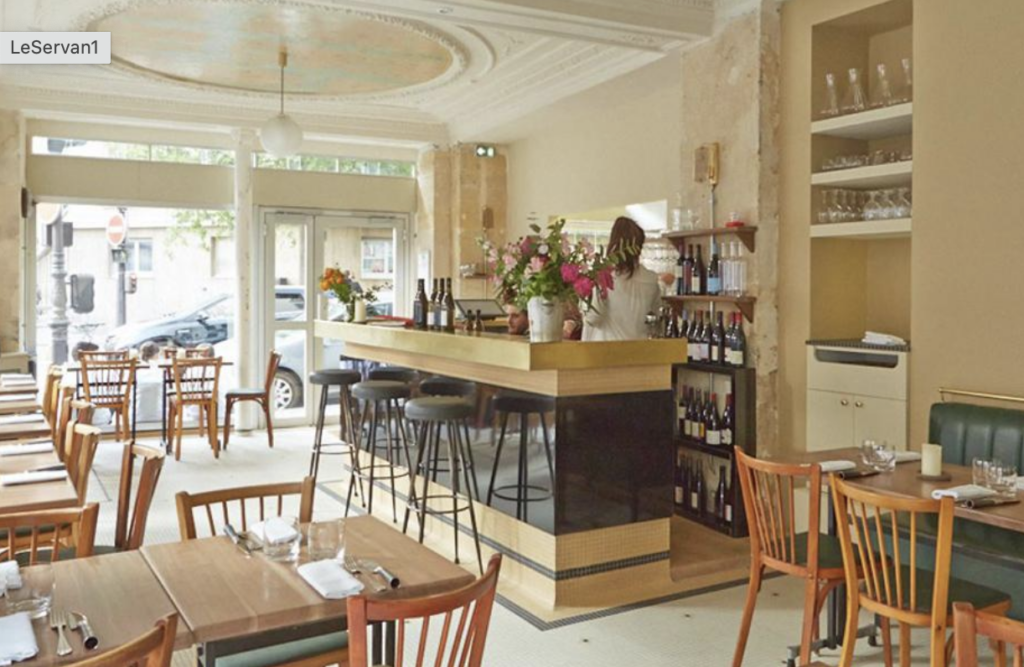
19. Le Servan: novel flavour pairing.
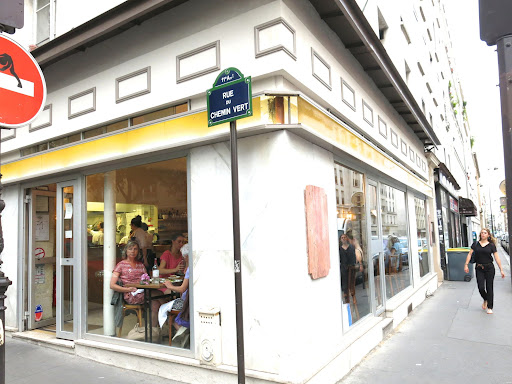
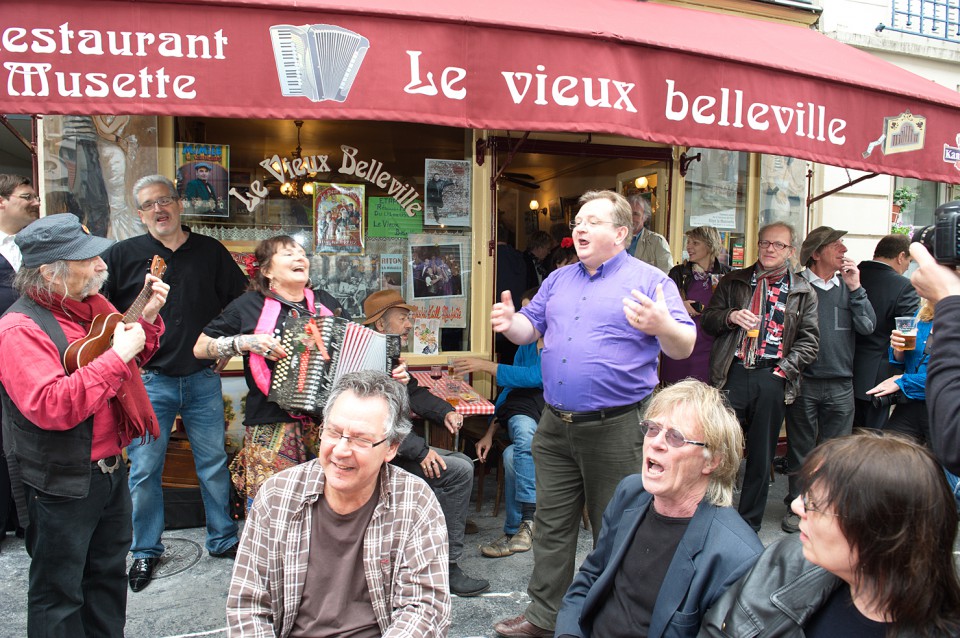
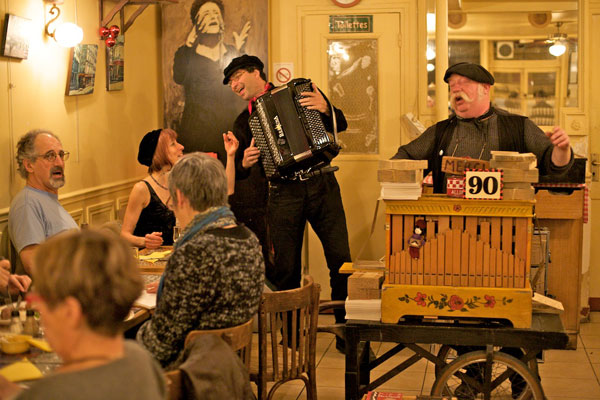
20. Le Vieux Belleville: live music, performers walk among the tables with accordion singing French Classics including Edith Piaf.
21. Le Baratin: simple, authentic dining experiences
Other recommended restaurants and cafes (from various sources)
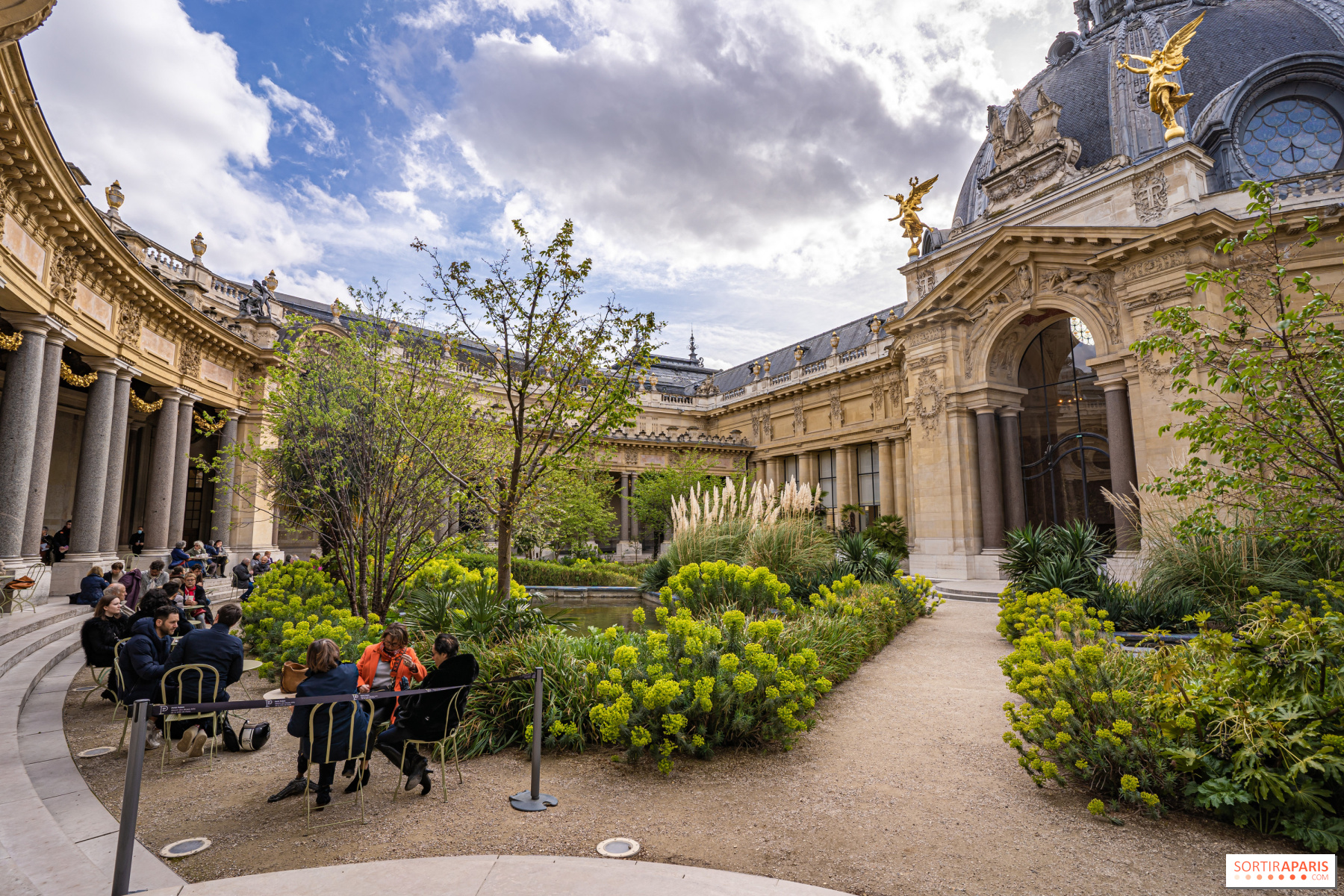
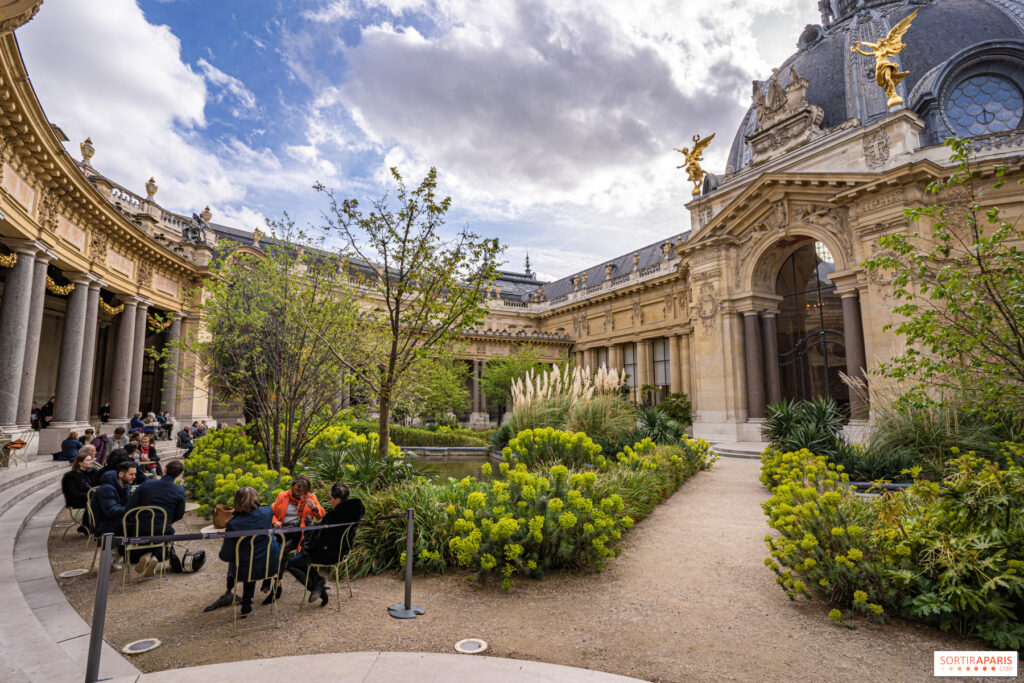
22. Le Jardin du Petit Palais
23. Cafe de la Paix
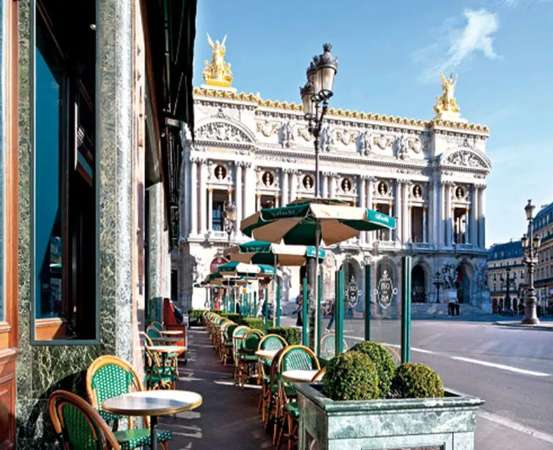
24. Les Deux Magots

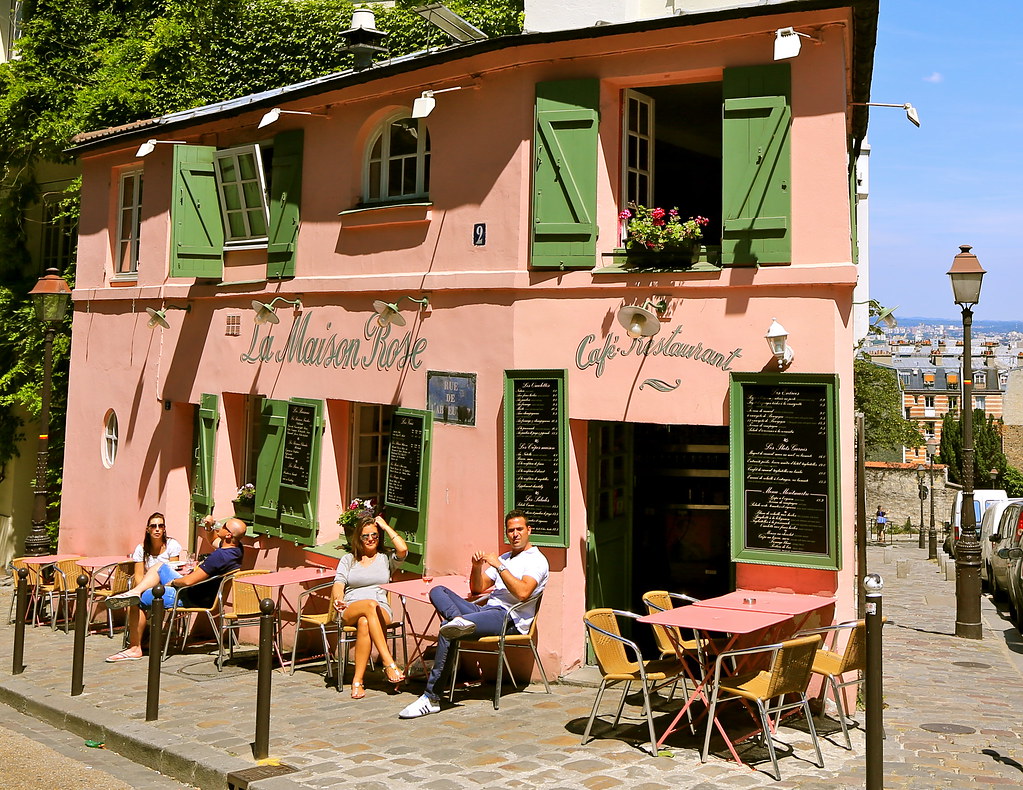
25. La Maison Rose
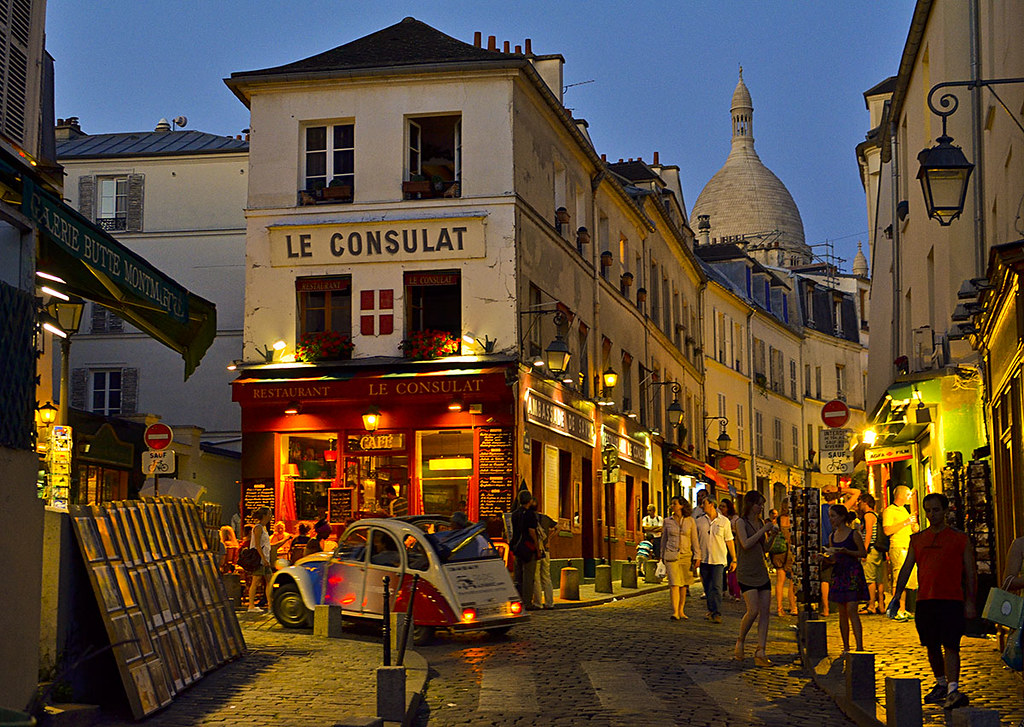
25. Le Consulat
26. Pink Mamma (Bar)
No copyright infringement of pictures or details are intended.
GERMANY or DEUTSCHLAND FACTS
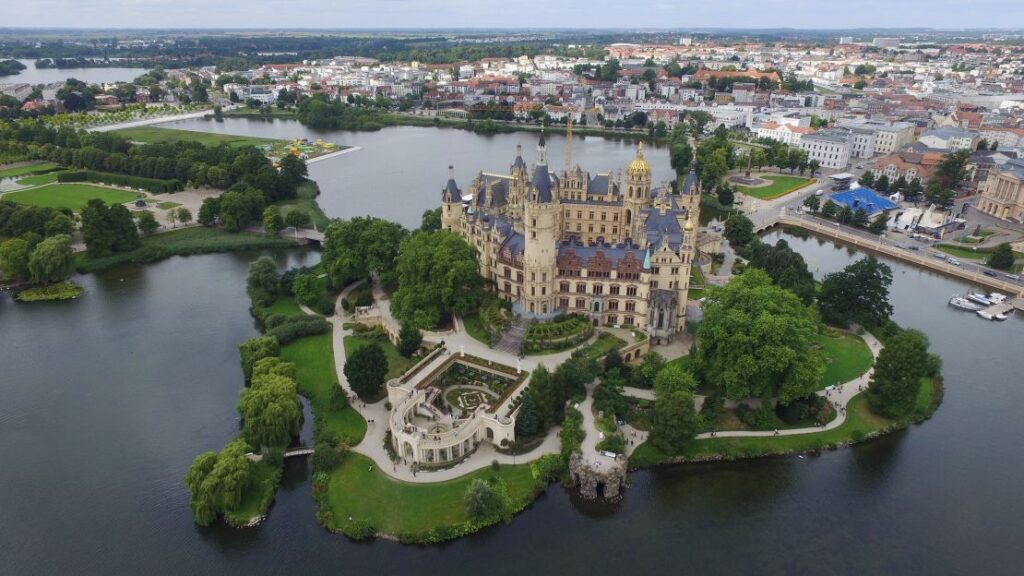
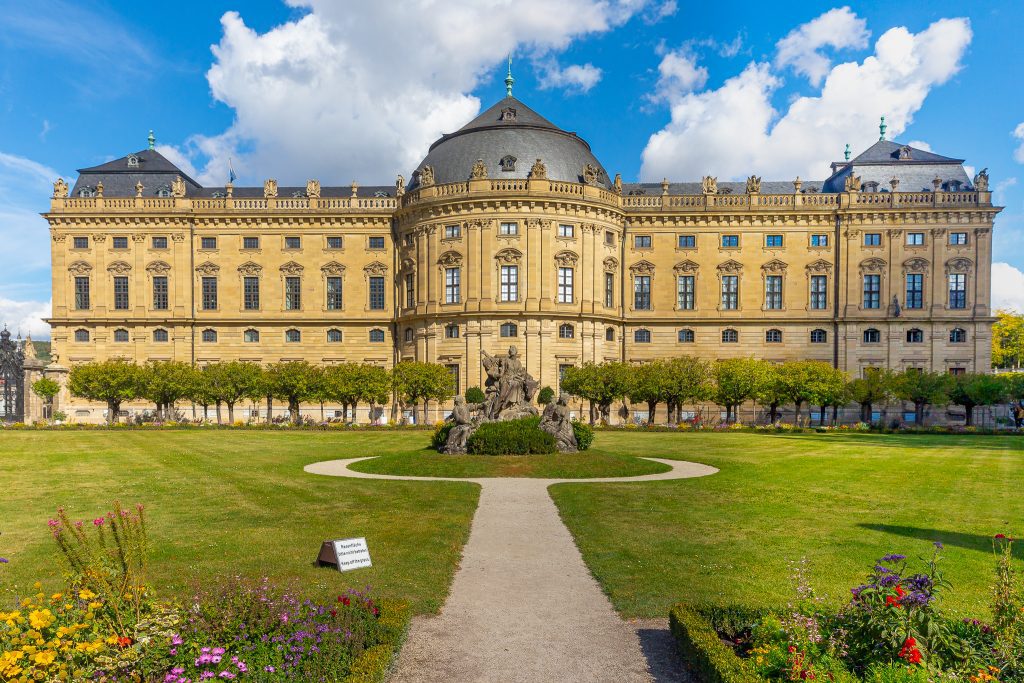
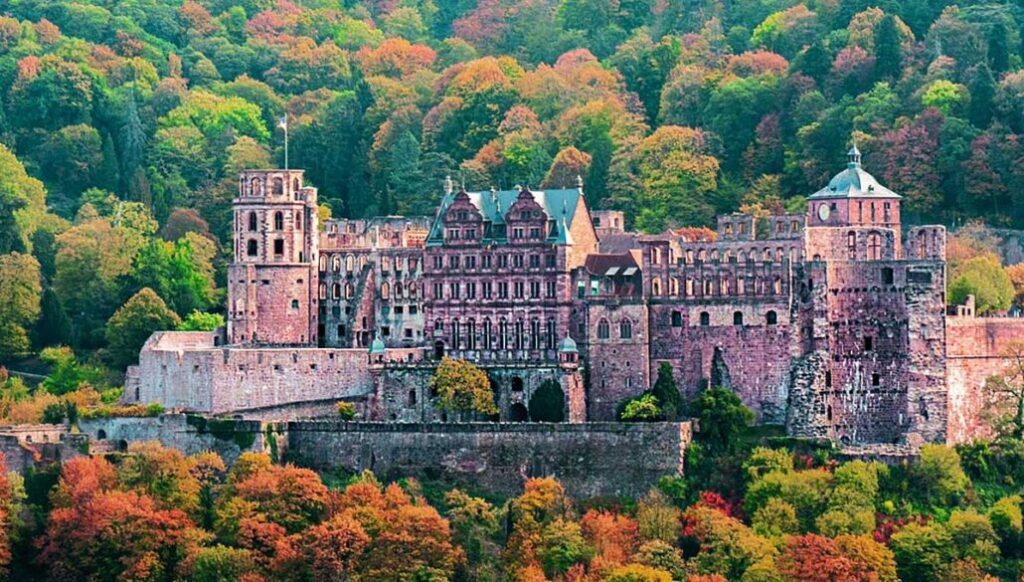
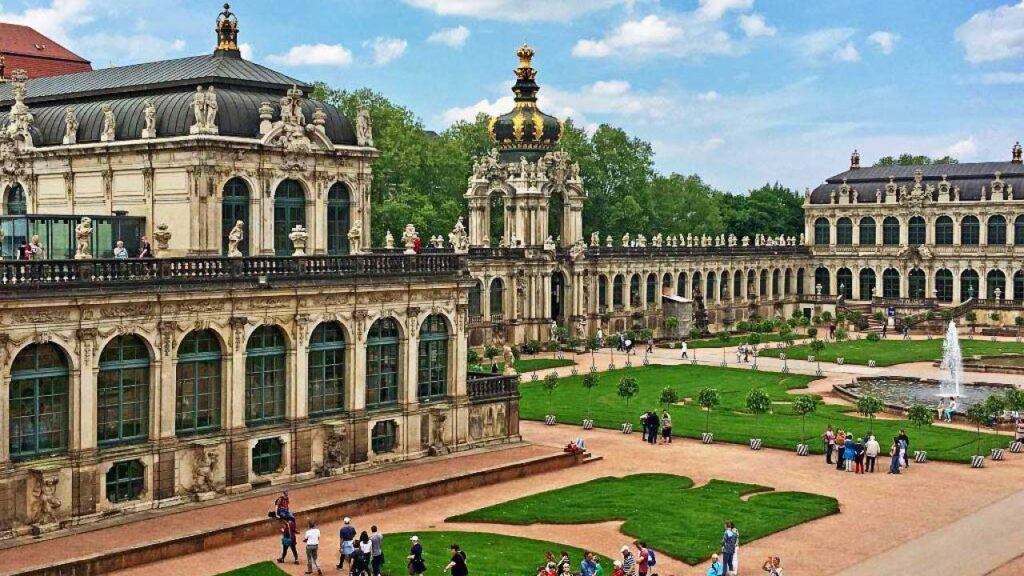
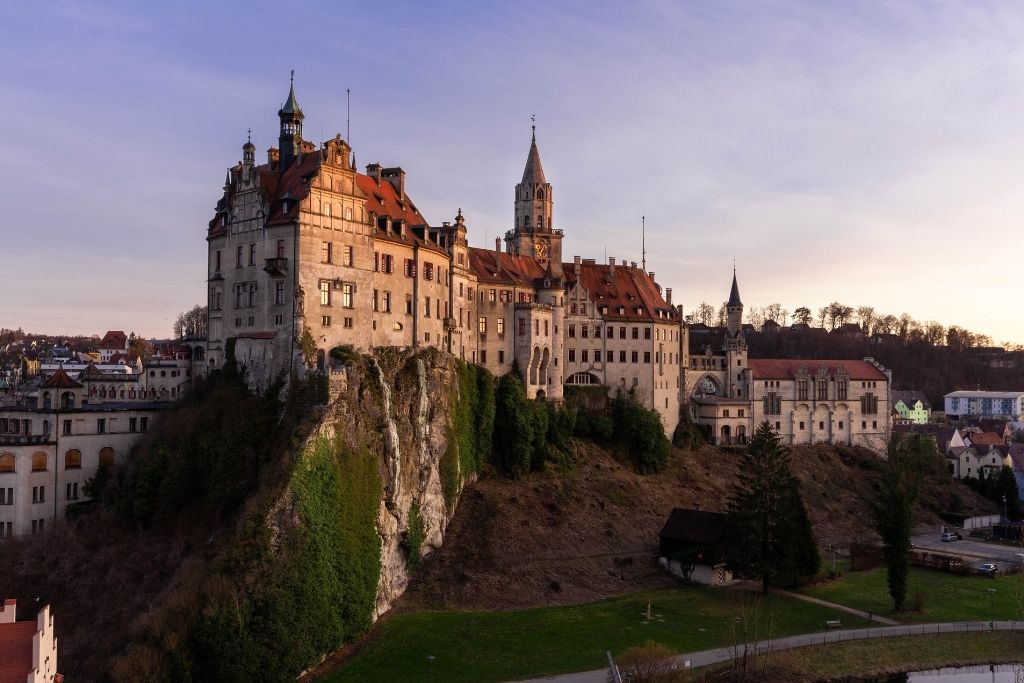
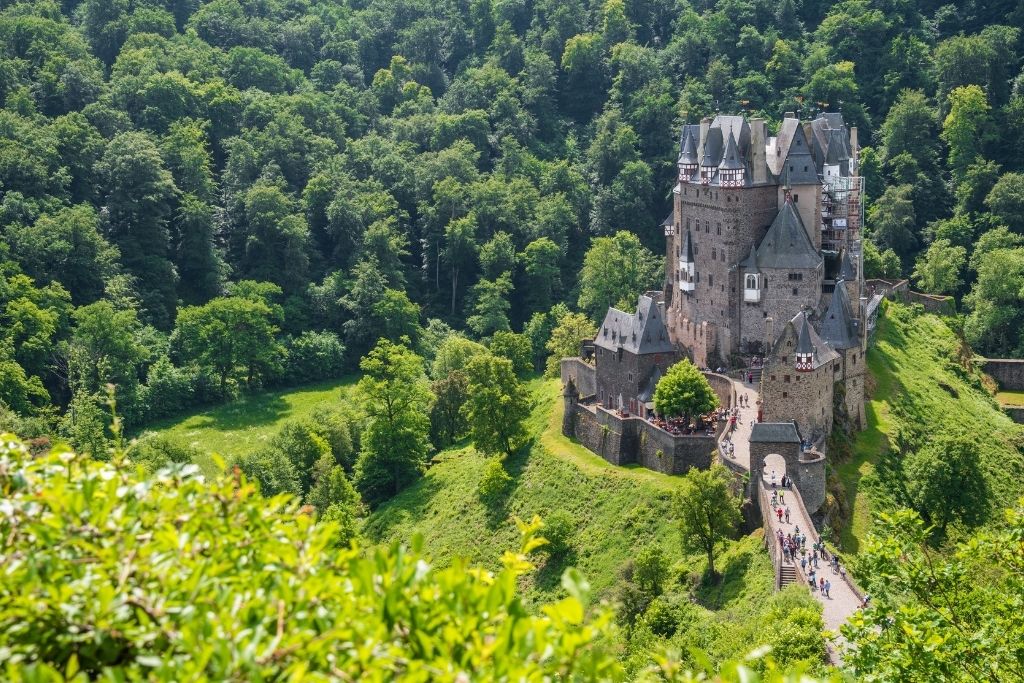
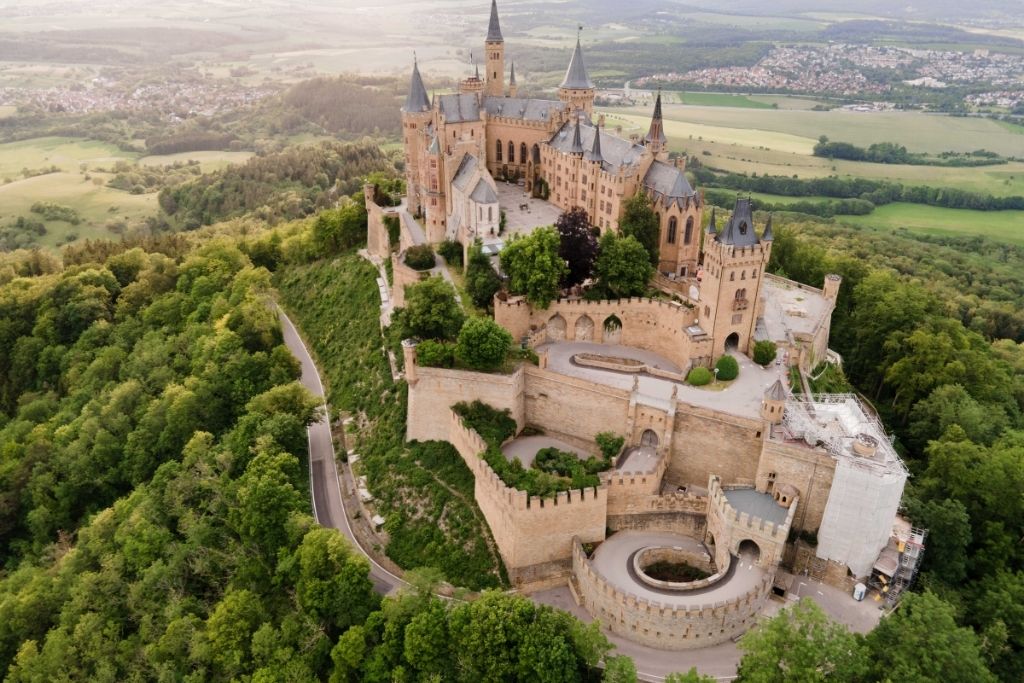
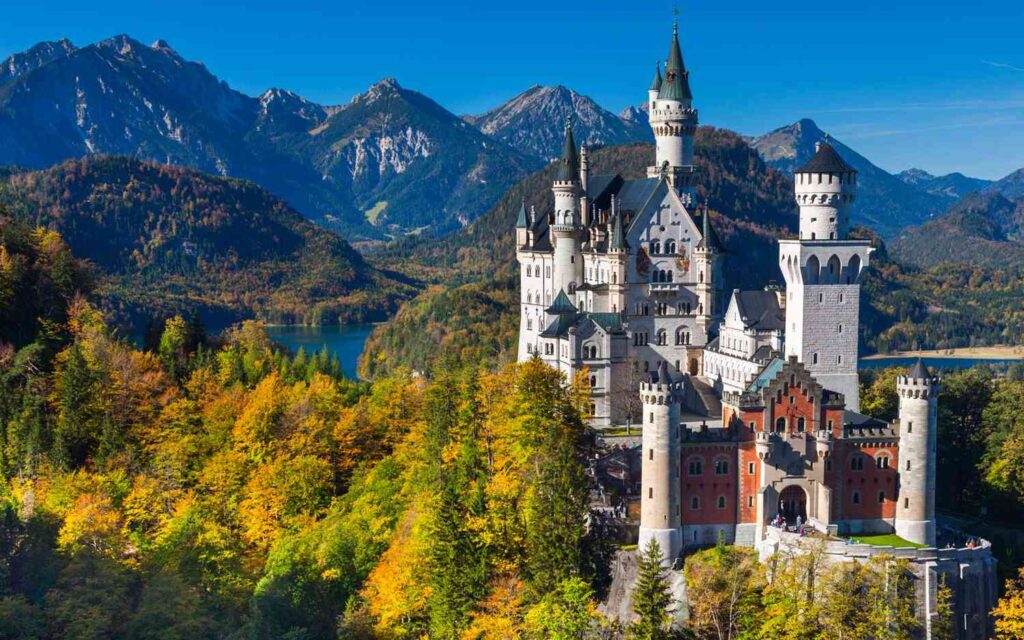
- +20,000 castles. The majority of them are over a century old and have been converted into museums, hotels, or cultural centre.
- Germany has the largest economy in the European Union.
- German is the world’s 3rd most widely taught language.
- There are 35 dialects of German: High German, Bavarian, Middle German, Low German, Frisian, Alemannic … the most popular dialects.
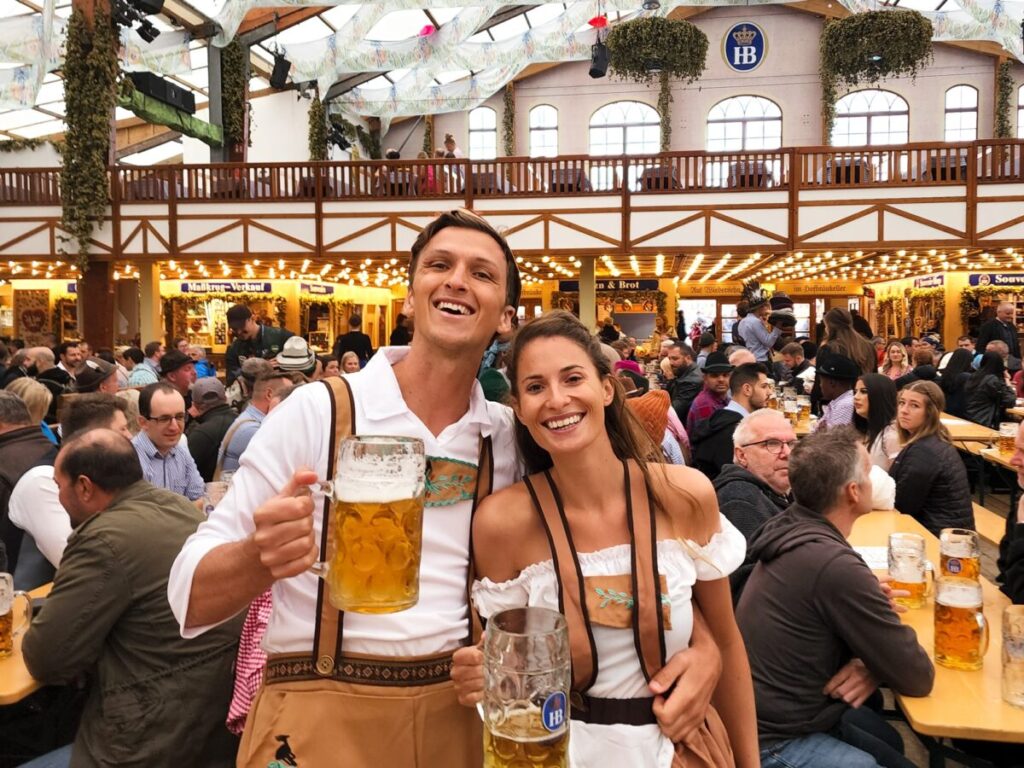
- In Bavaria, beer is considered food.
- Germany has +7,000 different types of beer.
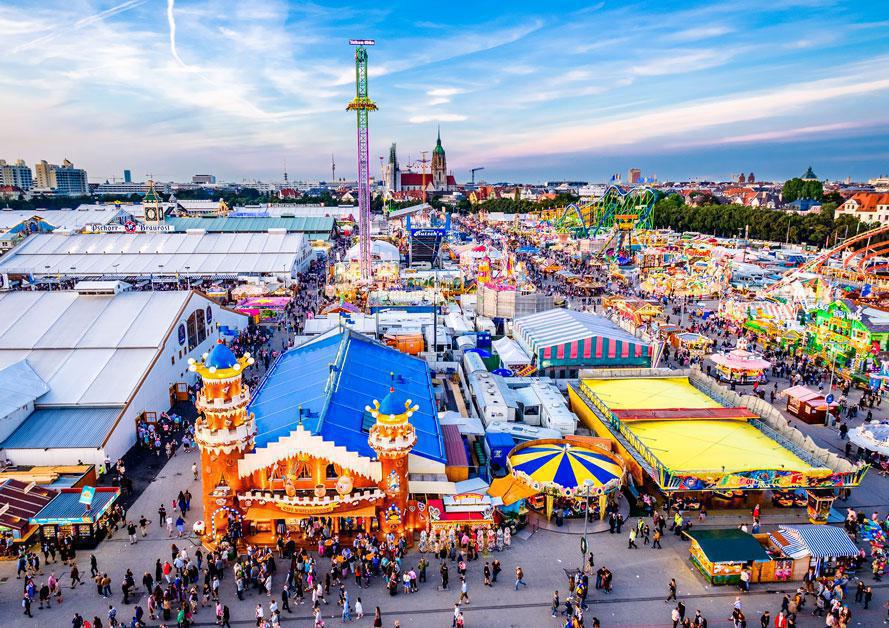
- Germany is home to the biggest Beer Festival in the world, Oktoberfest in Munich, where the standard glass of beer is a whole litre!
- Germany is the 2nd largest beer consumer in Europe – Germans drink around 2.55 billion gallons per year.
- Berlin has the largest train station in Europe.
- Berlin is 09 times bigger than Paris.
- Have +1,000 different types of bangers / sausages.
- Have +3000 varieties of bread.
- The Christmas tree tradition originated in Germany. Germany invented the first Christmas tree or Tannenbaum. In the 19th Century, German royals spread the tradition throughout the country and neighbouring areas. Then the custom was brought to America by German immigrants.
- 33% of Germany is covered by +90 billion trees. Spruce trees are the most commonly planted, followed by Pine, Beech, and Oak.
- Germany has one of the most institutionalized Green Movements in the world. The country aims to be carbon neutral by 2045.
- Germany has been called the “Land of Poets and Thinkers.” Germans are famous in all forms of art, but particularly classical music. Germany’s famous composers include Bach, Brahms, Schumann, Wagner and Beethoven.
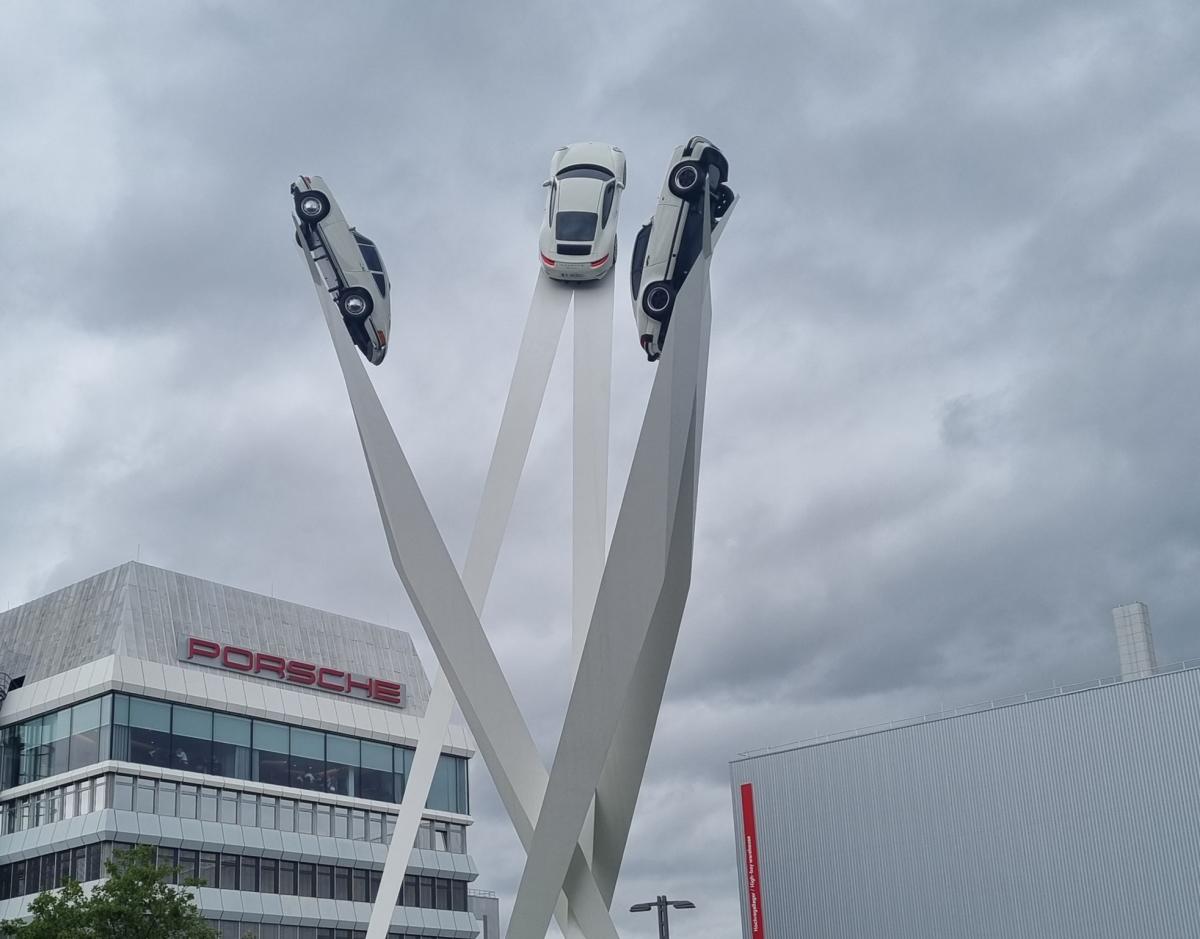
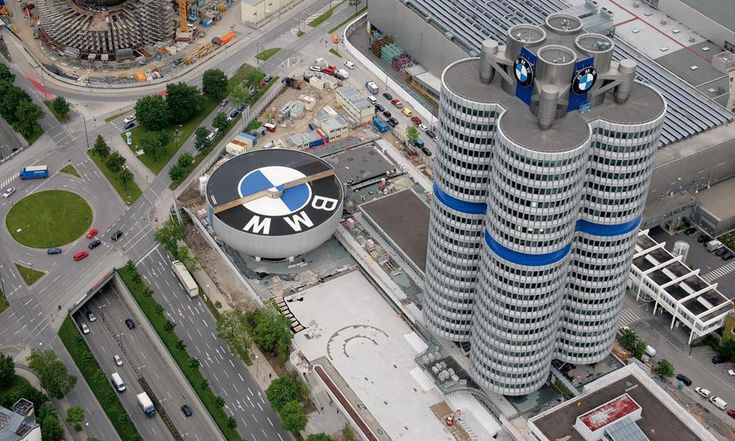
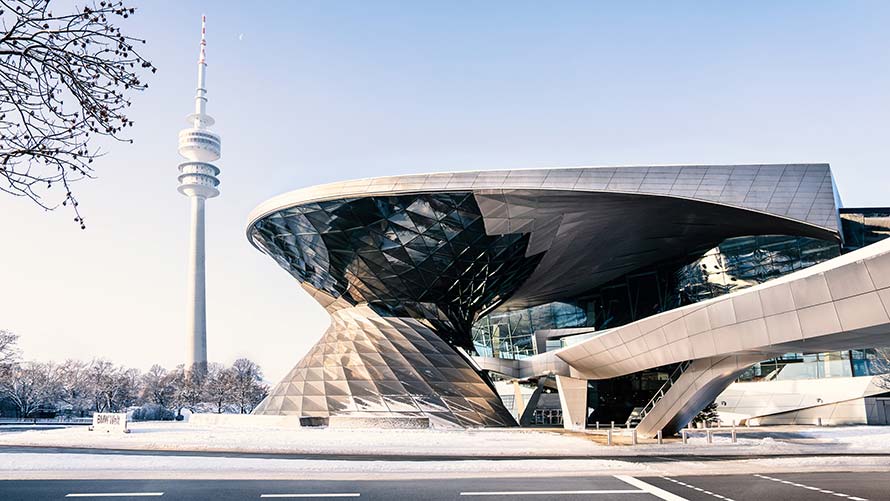
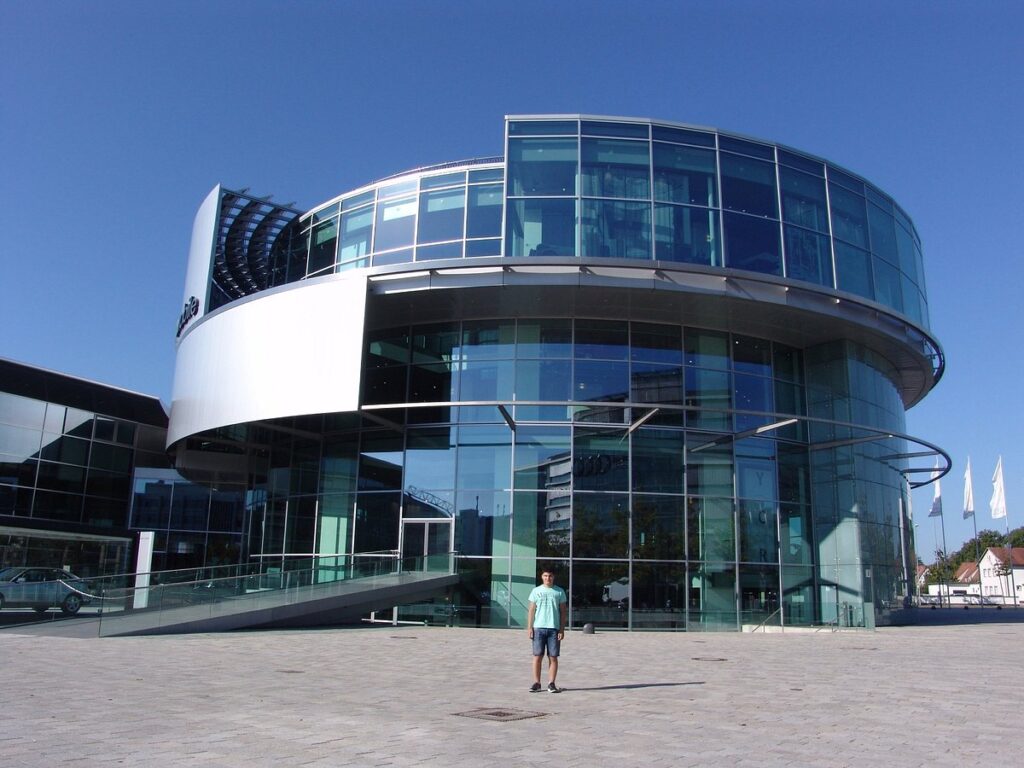
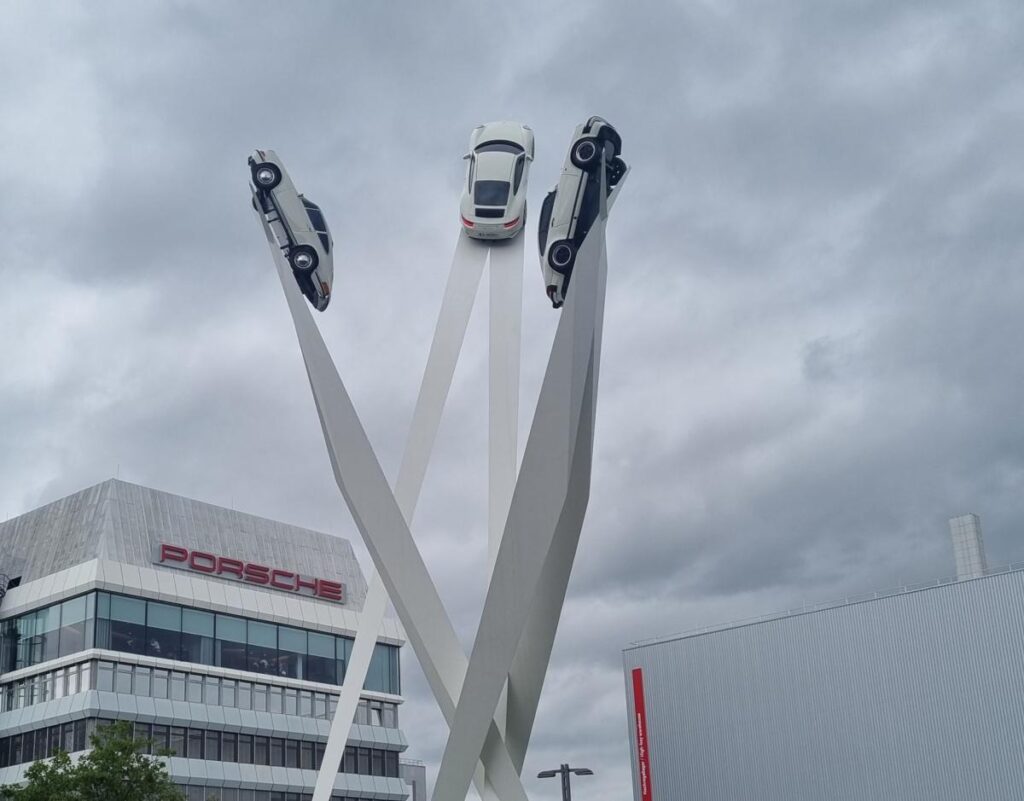
- Germany is one of the world’s largest automobile producers: Germany’s automotive industry is among the best in the world. Audi, BMW, Mercedes-Benz, and Volkswagen are the best-selling German car brands.
- The 2nd World War left surprising legacies like the Volkswagen Beetle and Fanta
- The world’s narrowest street measures only 31cm wide. The alleyway is located in Reutlingen, Germany.
- 65% of highways (Autobahn) have no speed limit.
- There are +400 registered zoos. The Berlin Zoological Garden is the world’s largest zoo.
- It took 632 years to build the Cologne Cathedral.
- Cologne has an entire museum entirely dedicated to chocolate!
- Germany was the first country to implement daylight saving time.
- Baby names must be approved by the Standesamt or the German civil registration office. If the name is rejected, it must be changed or the decision must be appealed.
- Discrimination against members of the LGBTQ+ community is illegal.
- Hamburger derives its name from the seaport city of Hamburg. It is believed that the sailors brought back some uncooked shredded beef after returning from trading in the Baltic regions. An unknown German chef then prepared the shredded beef, and thus the hamburger was born.
- Germany is most famous for Currywurst, sausages, pretzels and Black Forest Gateau. More than 800 million currywurst sausages are eaten every year in Germany. The snack is so popular that there’s even a museum dedicated to it in Berlin
- Donaudampfschifffahrtselektrizitätenhauptbetriebswerkbauunterbeamtengesellschaft is the longest word to be published – it’s 79 letters long!
ROME FACTS
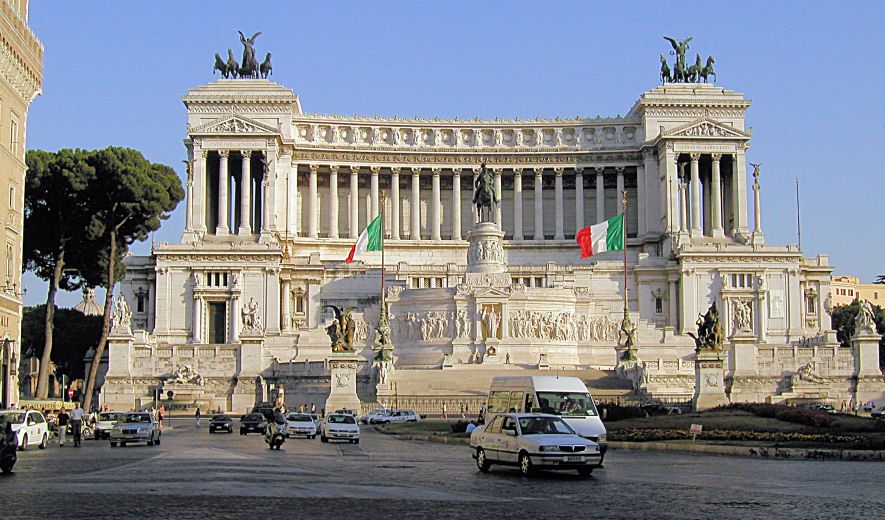
- Rome was founded in 735 BC by Romulus.
- Modern Rome has 280 Fountains and more than 900 Churches.
- Rome became the capital city of unified Italy in 1870, taking the title from Florence.
- Rome is known as the “Caput Mundi” or “Capital of the World”.
- Rome is also known as the “Eternal City”.
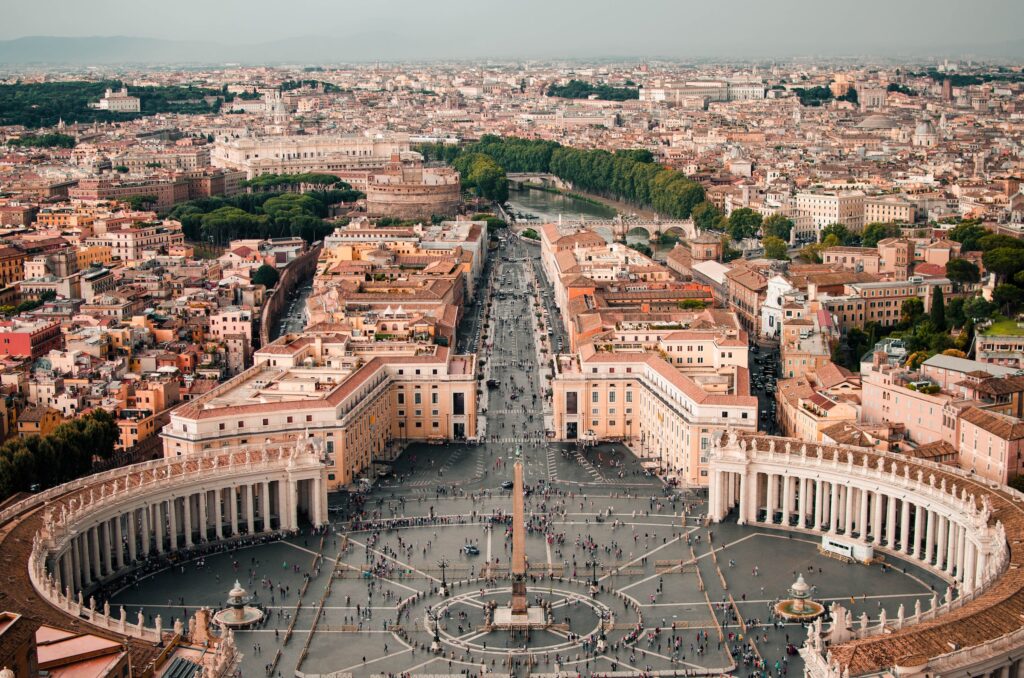
- The Vatican City is the smallest generally recognised sovereign state in the world; With an area of just 0.44km2. The papal state has been formally recognised as a sovereign state since 1929.
- Saint Peter’s basilica – inside the Vatican City – is the largest church ever constructed.
- There is a secret passage that’s leading from Vatican City to Castel Sant’Angelo.
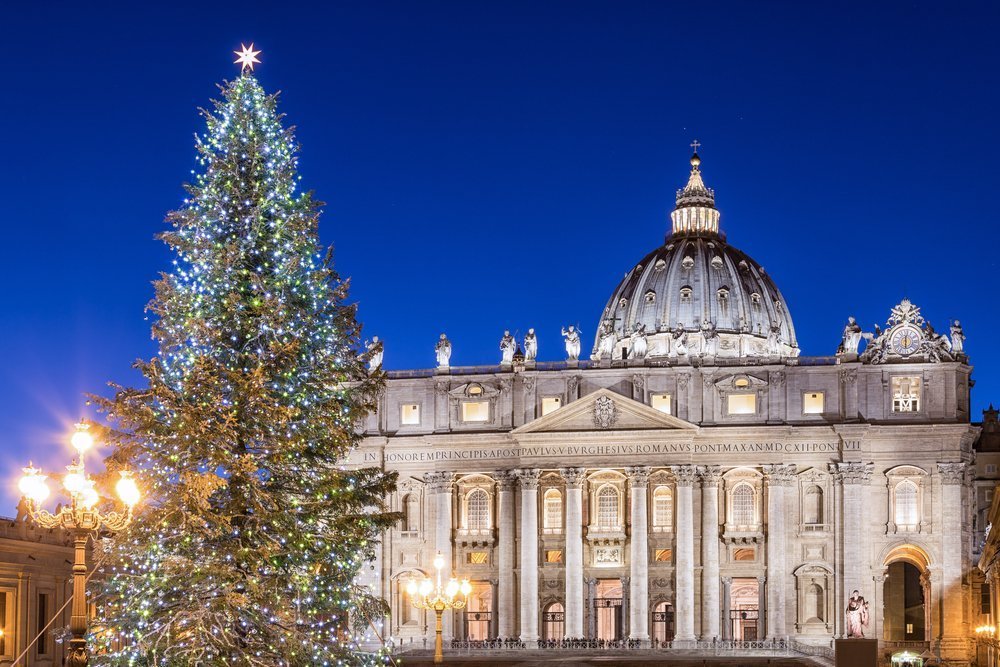
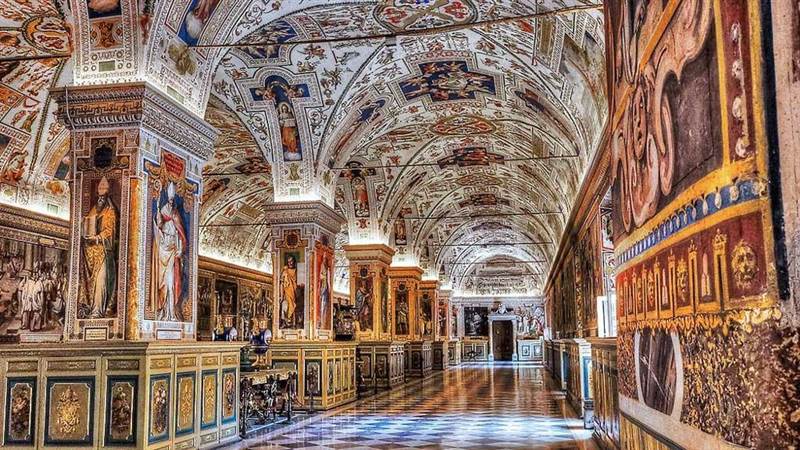
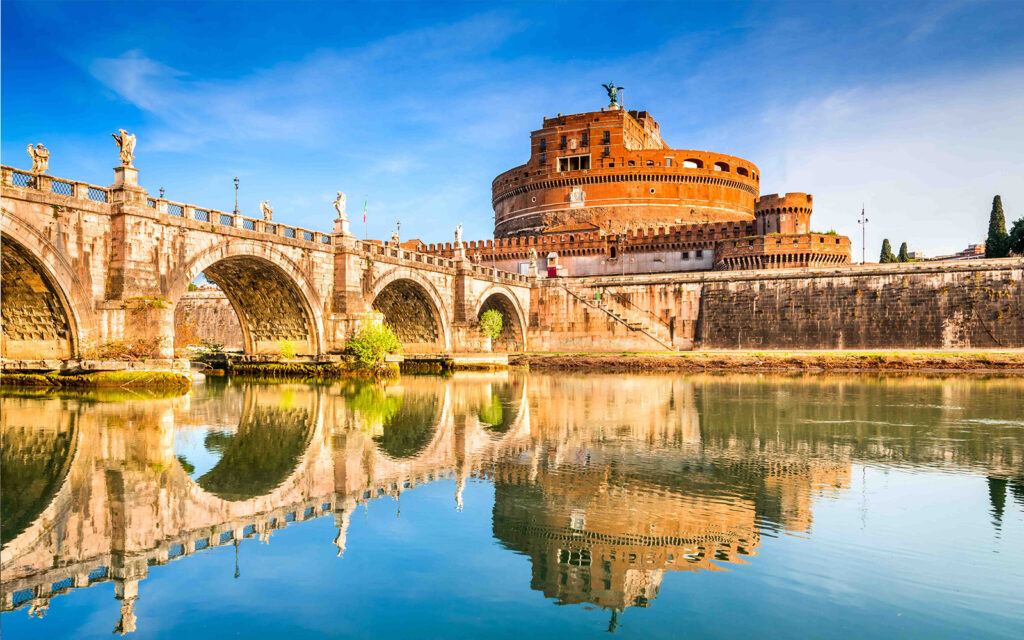
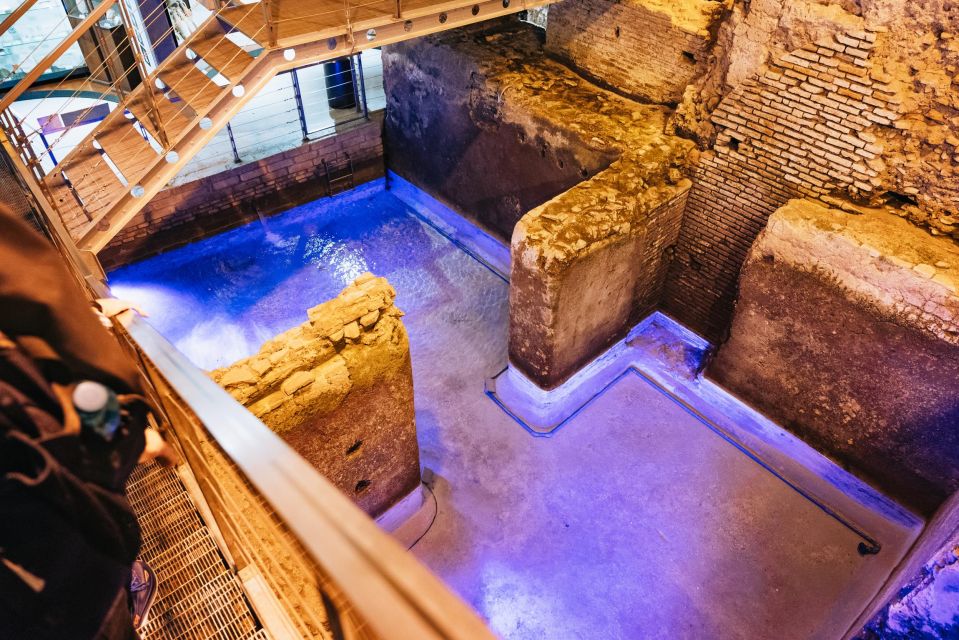
- The Ancient city of Rome is about 30 feet (9-meter) below the modern street level.
- The Colosseum of Rome is one of the Seven Wonders of the World.
- The symbol SPQR, which is found all over the city of Rome, stands for “Senatus Populusque Romanus” i.e. “The senate and the people of Rome”.
- Rome is older than Italy. Founded around 53 B.C. making it 2,500 years older than Italy.
- Italy did not become a unified nation until late in the 19th century.
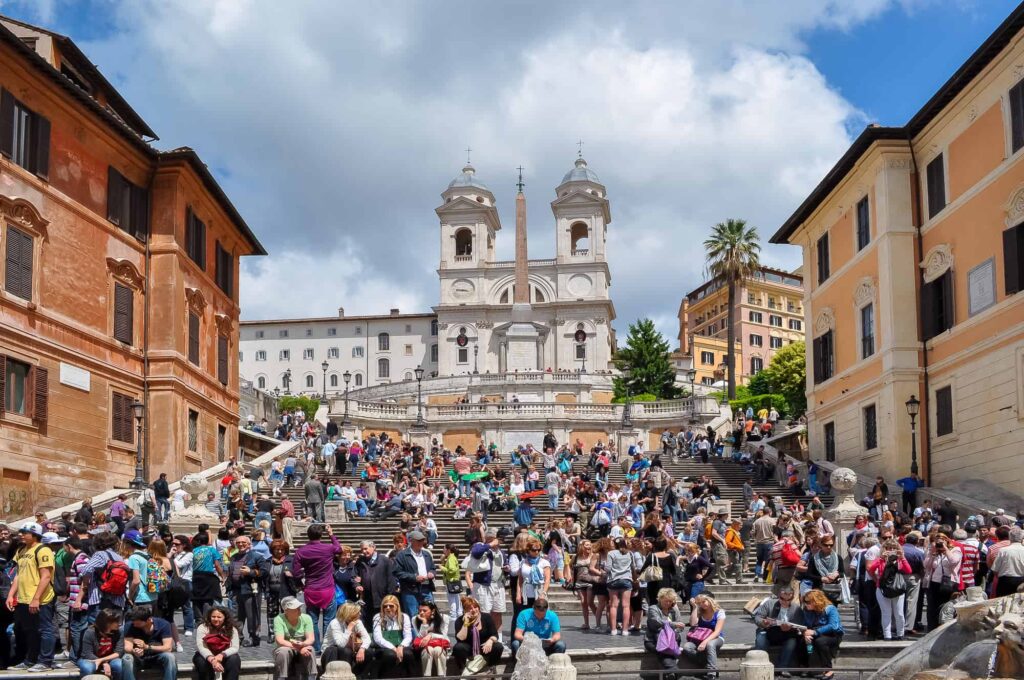
- The Spanish Steps are not Spanish at all. The famous outdoor steps were funded by the French diplomat, Etienne Gueffier; and designed by Italian architects Francesco de Sanctis and Alessandro Specchi. Steps are called Spanish after the Spanish Embassy’s location.
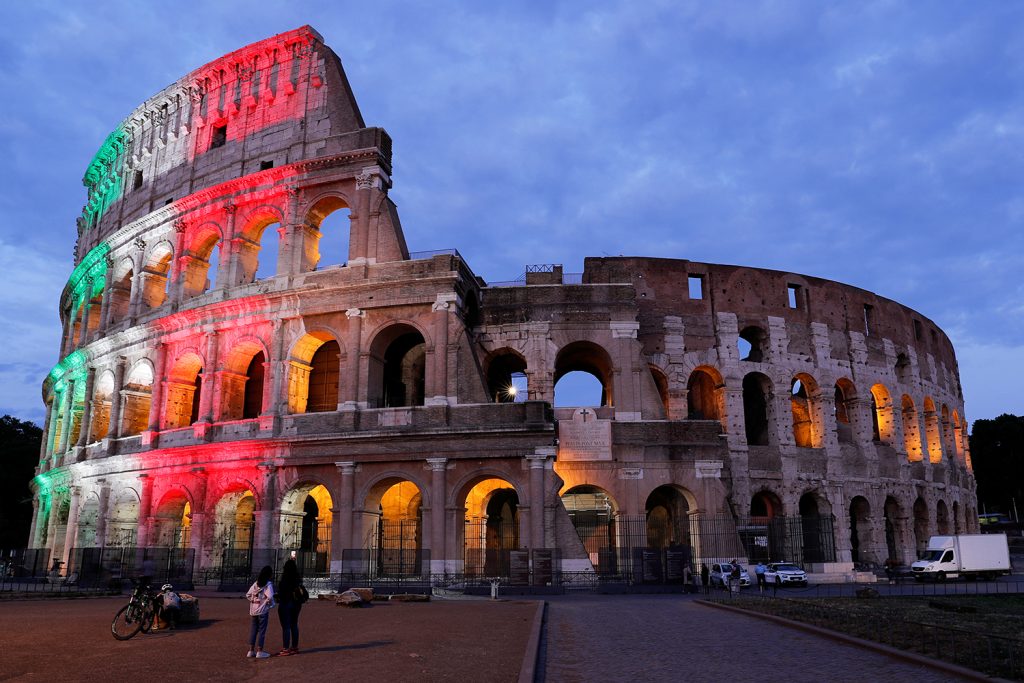
- Rome’s first university, “La Sapienza”, was established in 1303 AD. It is the largest in Europe and the 2nd largest in the world.
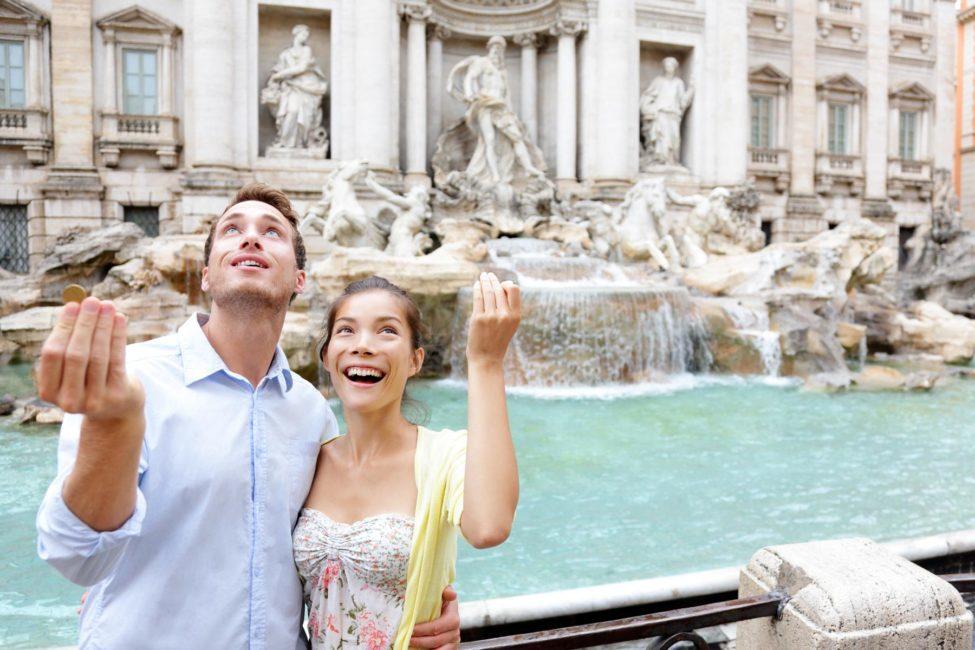
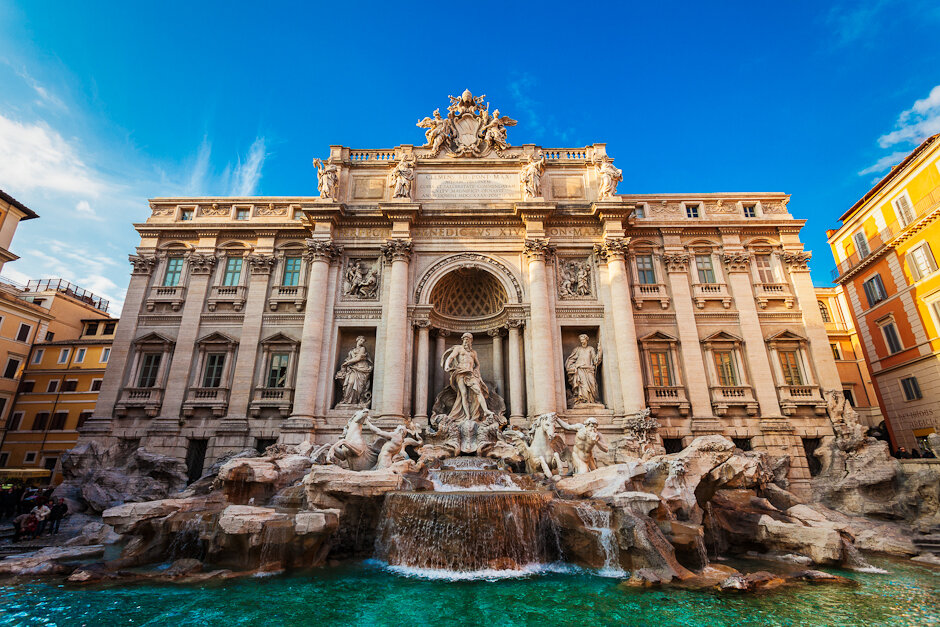
- Nearly 700,000 Euros worth of coins are tossed into Rome’s Trevi Fountain each year. The proceeds are donated to Caritas to help those in need.
- Romans had built a road network of 53,000 miles by the early 4th century. Each Roman mile was about 4,800 feet and marked by a milestone, giving birth to the saying “All roads lead to Rome.”
- The word “Palace” comes from the Palatine Hill, where Augustus initiated the tradition for Emperors’ to build their palaces.
- The mascot of Rome is a she-wolf that cared for brothers Romulus and Remus, Rome mythological Founders.
- Cats, by law, are free to roam in Rome.
- The Emperor Trajan built, around 107 and 110 AD, the first shopping mall in Rome. It had multiple levels, over 150 outlets.
- Rome has a museum dedicated entirely to pasta.
- Roman Gladiators rarely fought to death. Instead they were considered celebrities, but many were slaves. These harsh conditions inspired rebellions e.g. Spartacus.
- Ancient Romans celebrated a festival called “Saturnalia” in which slaves and their masters switch places.
- The Roman Emperor, Gaius Caligula, made his horse a senator, fed prisoners to wild animals, and had conversations with the moon.

- In Ancient Rome, only free men wore a Toga, a sign of Roman citizenship. Women wore Stola.
- The Purple-coloured clothing was a status symbol reserved only for Emperors or Senators.
- In Ancient Rome, women dyed their hair with goat fat and beech wood ashes. Popular colours were blonde and red.
- Romans used to eat their dinner lying down, lounging around on couches (sofas).
- Romans washed their clothes with urine. The liquid was collected in vessels, called fullos, which stood on the streets.

AMSTERDAM, Venice of the North
“Known for its charming canals, historic architecture, and vibrant culture, this city has an abundance of stories to tell. Amsterdam’s history is a tapestry of trade, tolerance, and transformation. It started as a 12th-century fishing village and thrived into a strategic port town on the Amstel River. In the 17th-century Golden Age, Amsterdam prospered greatly, thanks to the Dutch East India Company’s lucrative trade ventures. This era left a legacy of splendid canal-side mansions and a flourishing art scene, exemplified by painters like Rembrandt.
Amsterdam’s religious freedom and tolerance attracted diverse cultures, creating a melting pot of ideas and influences. Over time, Amsterdam transformed into a progressive metropolis, celebrated for innovation, cultural diversity, and forward-thinking policies. Amsterdam’s history blends the past with the present, crafting a uniquely captivating and enduring city” (unquote: explorial.com)
FUN FACTS
- The capital name was shortened to be Amsterdam. It was originally called “Amstrelredam” which refers to the dam built across the Amstel River to prevent flooding.
- The city stands on 11 million poles.
- Most of Amsterdam’s buildings are built on wooden poles that are between 15 and 20 metres in length. A typical house in the city centre is supported by around 10 poles, but Amsterdam’s Royal Palace sits on more than 13,500 wooden piles.
- Amsterdam is two meters below sea level. 11 million wooden beams stop the city’s buildings from sinking. Wooden piles are even put in place to stop trees in Vondelpark from slipping into the naturally marshy ground.
- Dancing houses, the most photographed houses in Amsterdam: The Amsterdam Dancing Houses are a row of seven houses that are slightly sunken and lean at various angles, you will find them at canal Amstel 106!
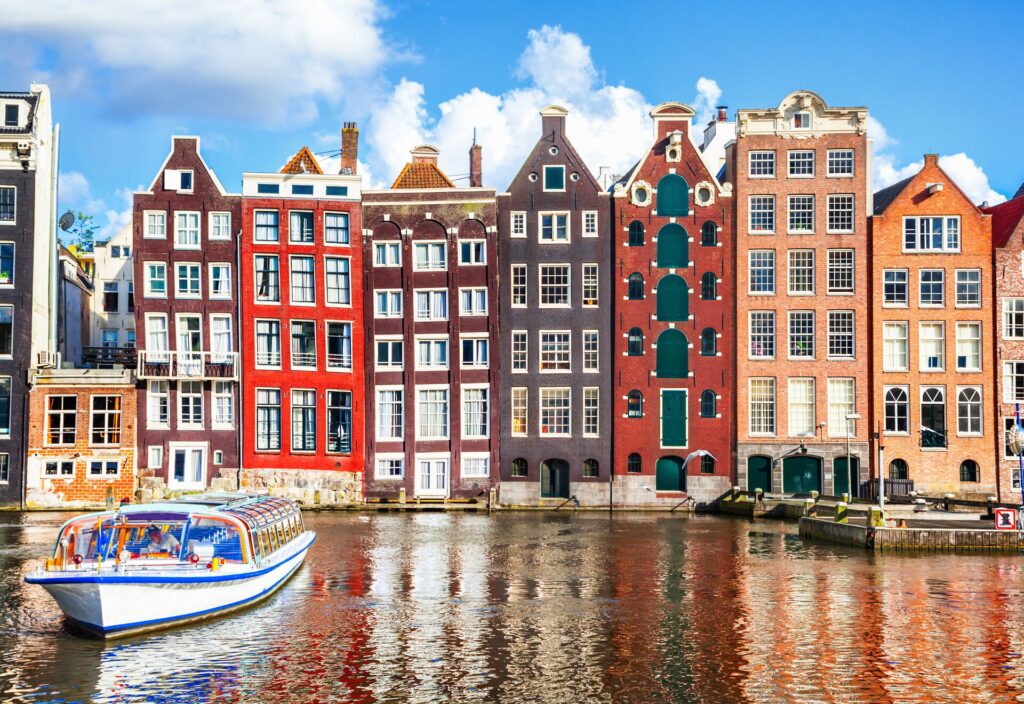
- Amsterdam has more canals than Venice and more bridges than Paris. With over 165 canals, it’s possible to travel 100 kilometers on the water in the city limits. There are 1281 bridges in Amsterdam.
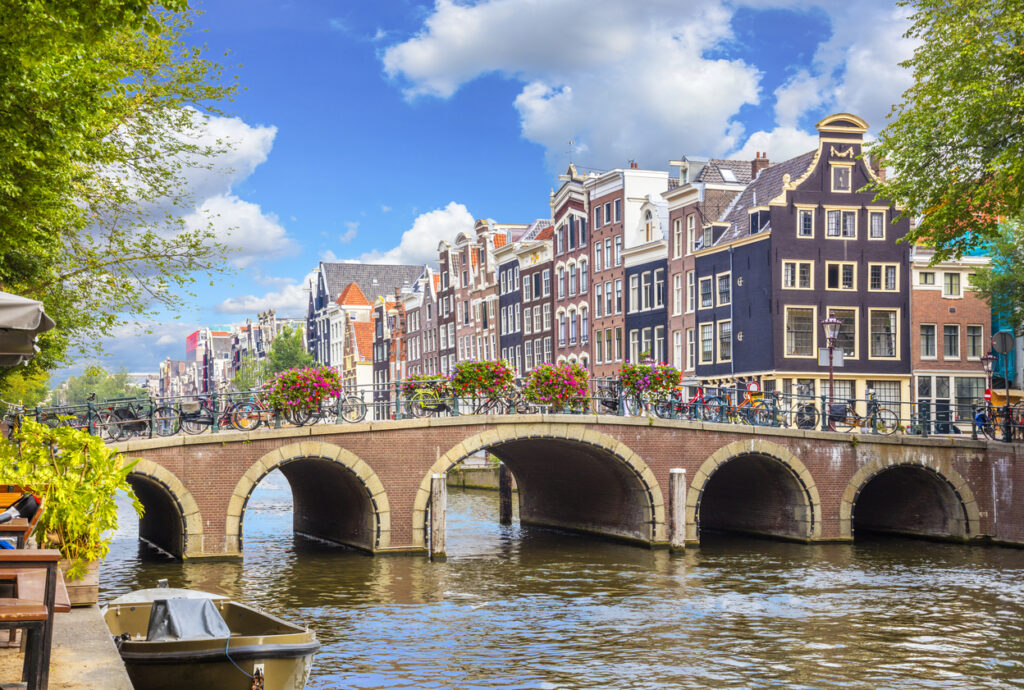
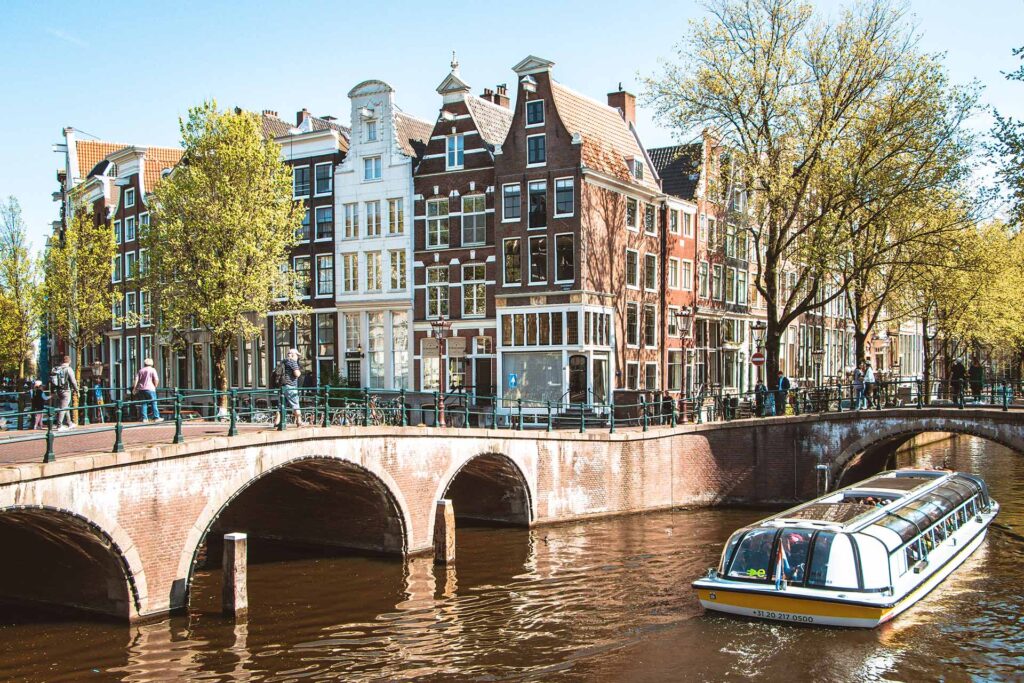
- There are more than 2,500 houseboats floating on the canals.
- There are 1.2 million bikes in this city, but only around 821,000 inhabitants. Amsterdam has over 400 km of bike lanes and several storage facilities.
- 25,000 bikes are thrown or disappearing in the Amsterdam canals every year. Yearly, around 100,000 bikes get stolen. Bikes have the right of way over both cars and pedestrians.
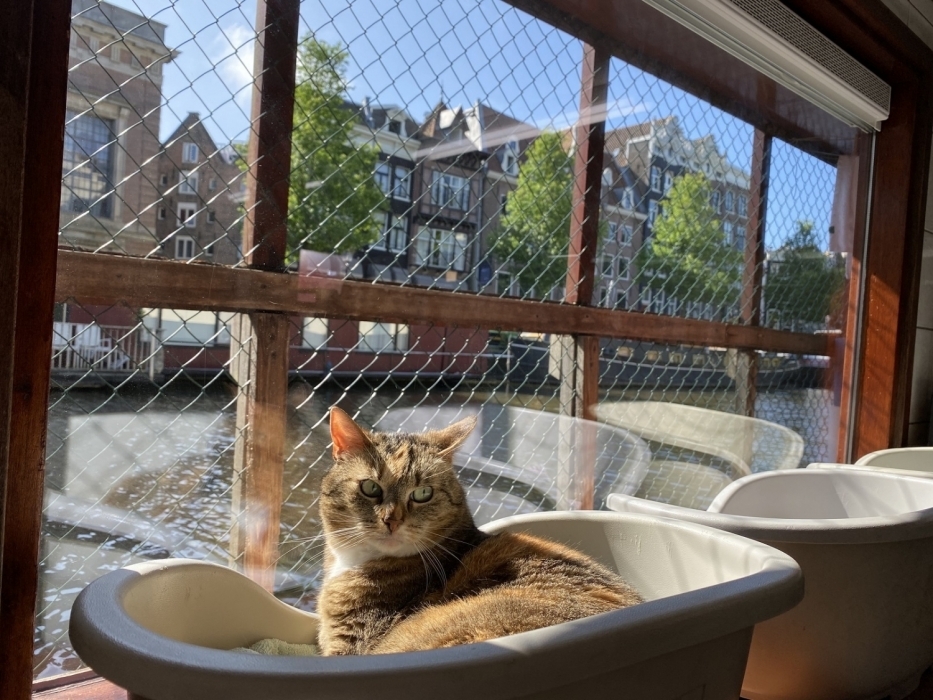
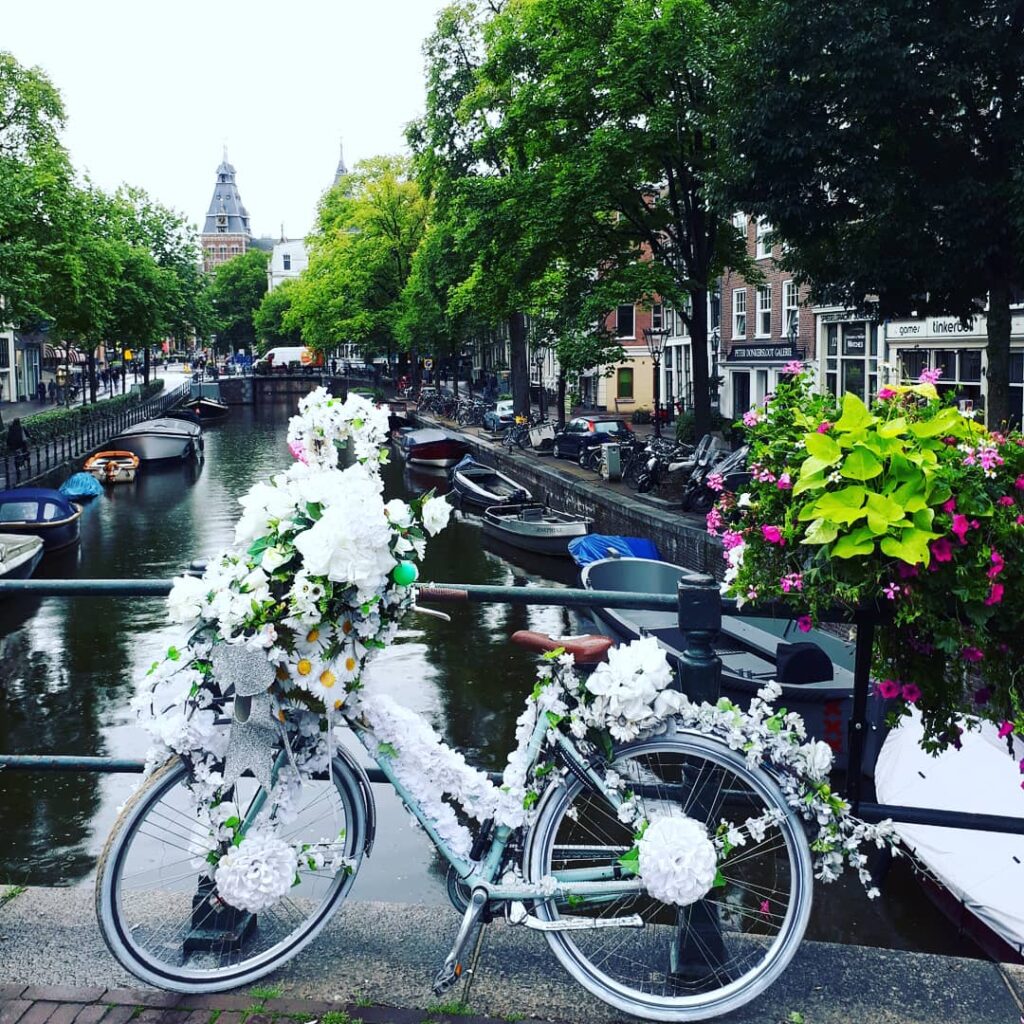
- There’s a houseboat just for cats. The Catboat – De Poezenboot – was founded in the 1960s as a refuge for stray and abandoned felines. It is the only floating cat shelter in the world!
- Amsterdam has the world’s only floating flower market (Bloemenmarkt) and it is +160-year old.
- Amsterdam produces blooms that account for more than half of the global flower trade.
- Tulip season lasts the whole month of April, as well as a few weeks in both March and May. To feast your eyes and senses with tulips, during spring time, must visit KEUKENHOF.
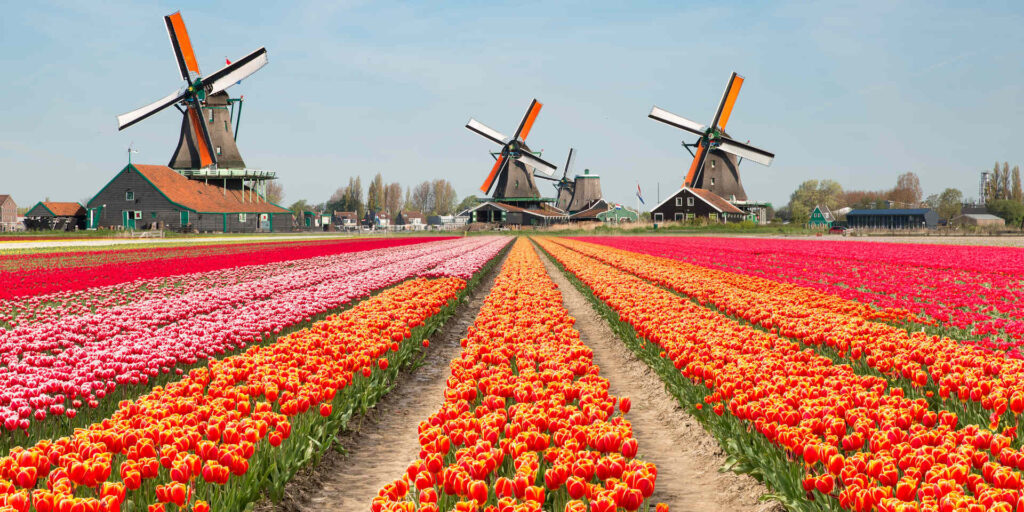
- Amsterdam also has a park bigger than New York’s Central Park… where you can see Highland Cows! Amsterdamse Bos covers 2,500 acres, that’s about three times as large as Central Park, and often hosts concerts, theatre ….
- The Dutch capital has the highest concentration of museums per square meter of all cities in the world. There are 85 world-class museums in Amsterdam, one of the highest number in the world per capita.
- Amsterdam has the world’s oldest stock exchange.
- The picturesque houses in Jordaan District, are renowned for their narrow façade; as back in 17th century, residents of Amsterdam were taxed on the width of their homes i.e. the narrower homes, annual taxes are lower.
- Vondelpark has +4,000 parakeets.
- There’s a cherry blossom yearly festival. Alongside Bonn’s famous cherry blossoms, Amsterdam is considered one of the top places in Europe having its own cherry blossom park (part of the Amsterdamse Bos), home to 400 cherry blossom trees.
- The best place to enjoy Cherry Blossom season in Amsterdam is at Bloesempark in Amsterdam Forest (Amsterdamse Bos). These cherry trees were given as a gift to the city of Amsterdam by Japan in 2000. In Japanese culture, the cherry blossom, also known as Japanese sakura, is a symbol of both new beginnings and the fragility of life.
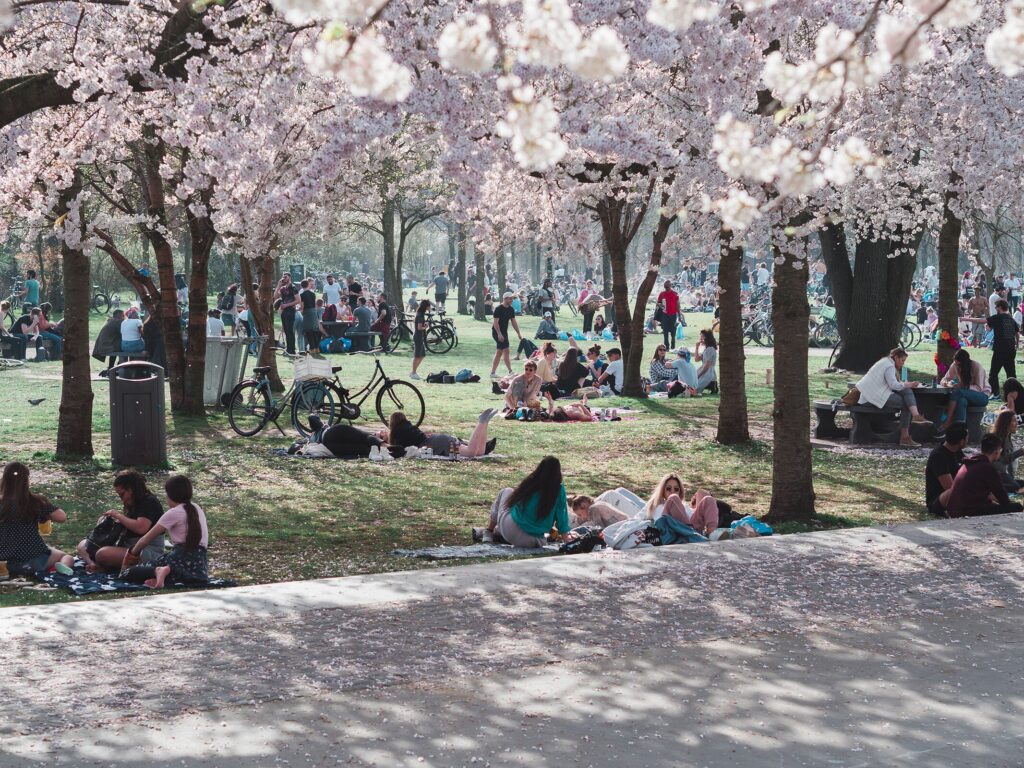

- The XXX sign doesn’t symbolize naughtiness. The three white crosses are actually St. Andrew’s crosses posed on a black strip with a red background. The official emblem has an Imperial Crown of Austria on top, and 02 golden lions on each side.
- There’s a hidden church. “Ons’ Lieve Heer op Solder” (Our Lord in the Attic) church was hidden in the attic of a typical Dutch house in the heart of the city.
- The smallest house in Europe is located in Amsterdam. The smallest house was built around 1738, and it measures only 2.02 m in width and 5 m in-depth, and has just one room per floor. Find it at the Oude Hoogstraat 22.
- Heineken, the most popular beer in Europe was founded in Amsterdam in 1864. It brews almost 200 million hectoliters of beer every year. (Discover the Heineken Experience).
- They test the air-raid sirens on the first Monday of every month unless it coincides with holiday.
- The Netherlands was the first country in the world to legalize same-sex marriage back in 2001.
- There is no pastry and coffee at the Amsterdam’s coffee shop. The coffee shop is where you go to get cannabis and a KOFFIEHUIS is where you go for a coffee!
- Weed is technically illegal in Amsterdam, but decriminalized and tolerated if you follow some rules. Smoke weed only within a coffee shop, which are allowed to sell five grams per customer per day.
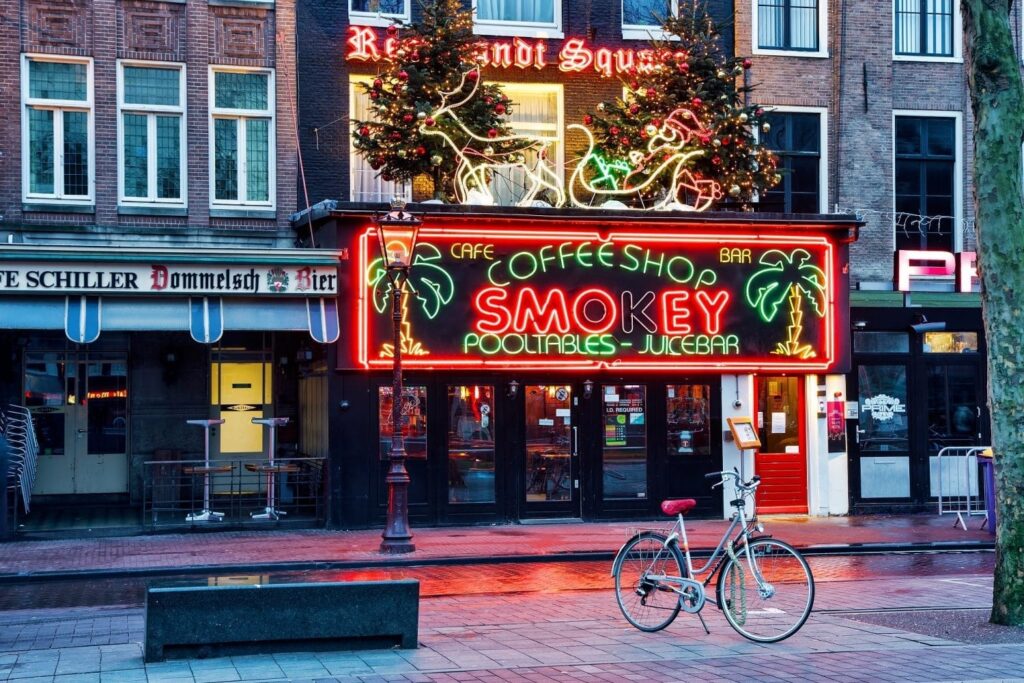
- Prostitution has been legal in Amsterdam since 1811.
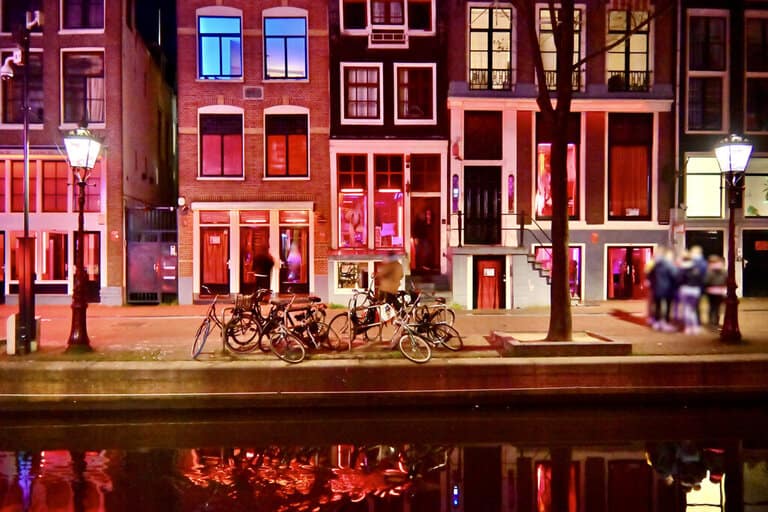
- Amsterdam is home to the world’s first condom shop.
- There’s hot food vending machines all over Amsterdam.
ETIAS & EES
European Union: New Rules & System
In Brief:
EES: ENTRY EXIT SYSTEM
- Register visa-free and visa-required travelers entering Europe for a short stay, (EU call a ‘third country’) i.e. NON- EU citizens or a citizen of Schengen area.
- EES collects FACIAL IMAGE, FINGERPRINTS, Travel Document Data, DATE and PLACE where the traveler entered and exited the EU.
- It identifies overstayers and provides reliable data on entries, exits, and refusals of entry.
- EES will replace the manual stamping of passports.
- Target Date: 10 November 2024.


ETIAS:
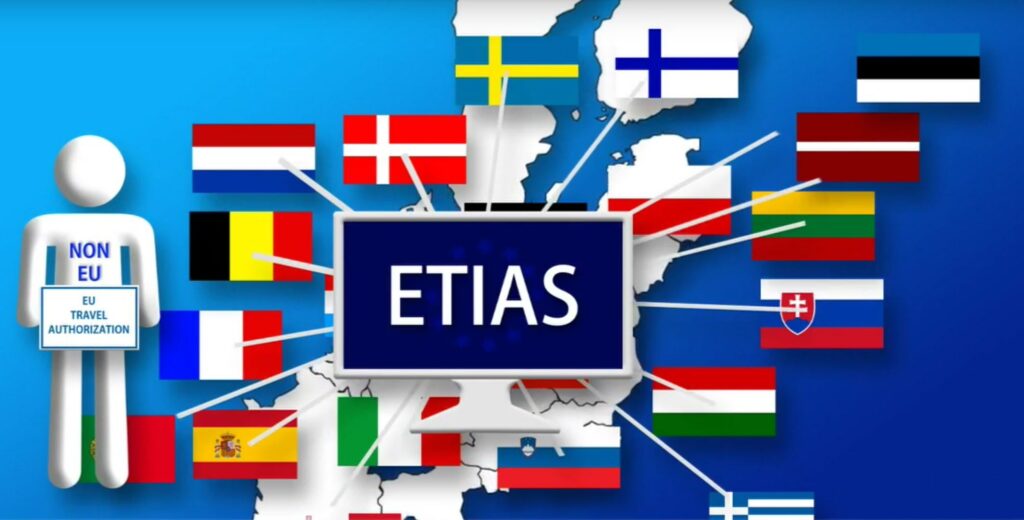
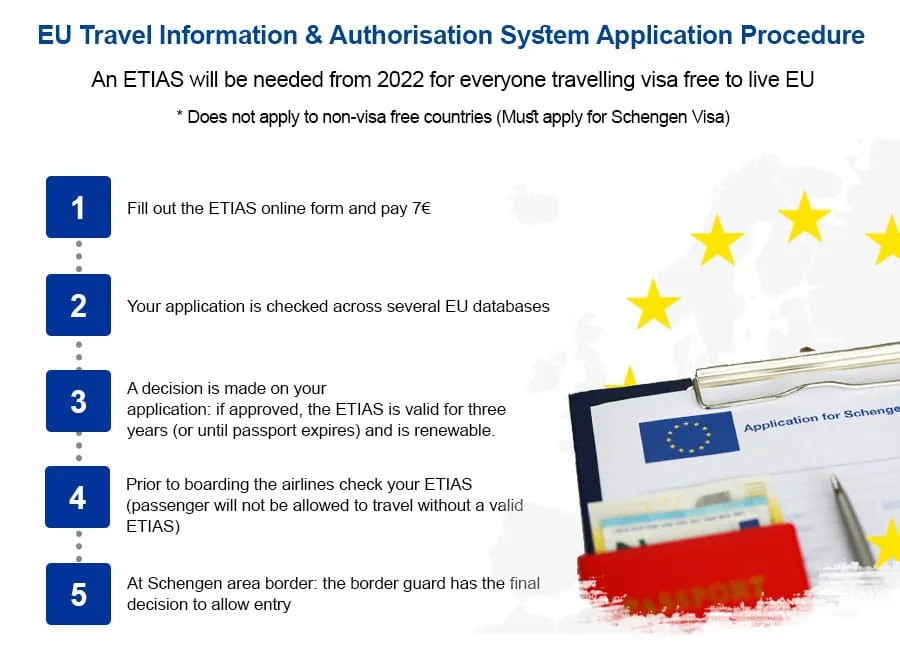
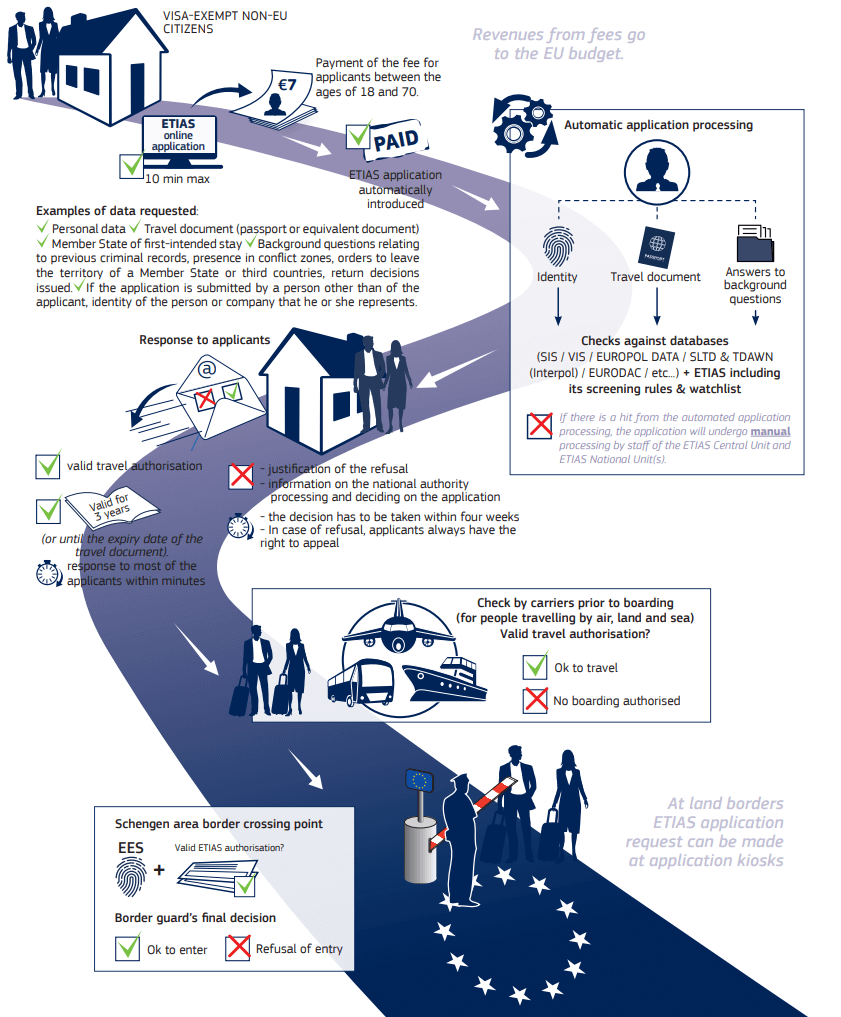
- New entry requirement for travelers who do NOT need a visa to enter 30 European countries for a short stay.
- With ETIAS, visa-free travelers need to apply for an AUTHORISATION prior to travel. ETIAS is NOT a visa.
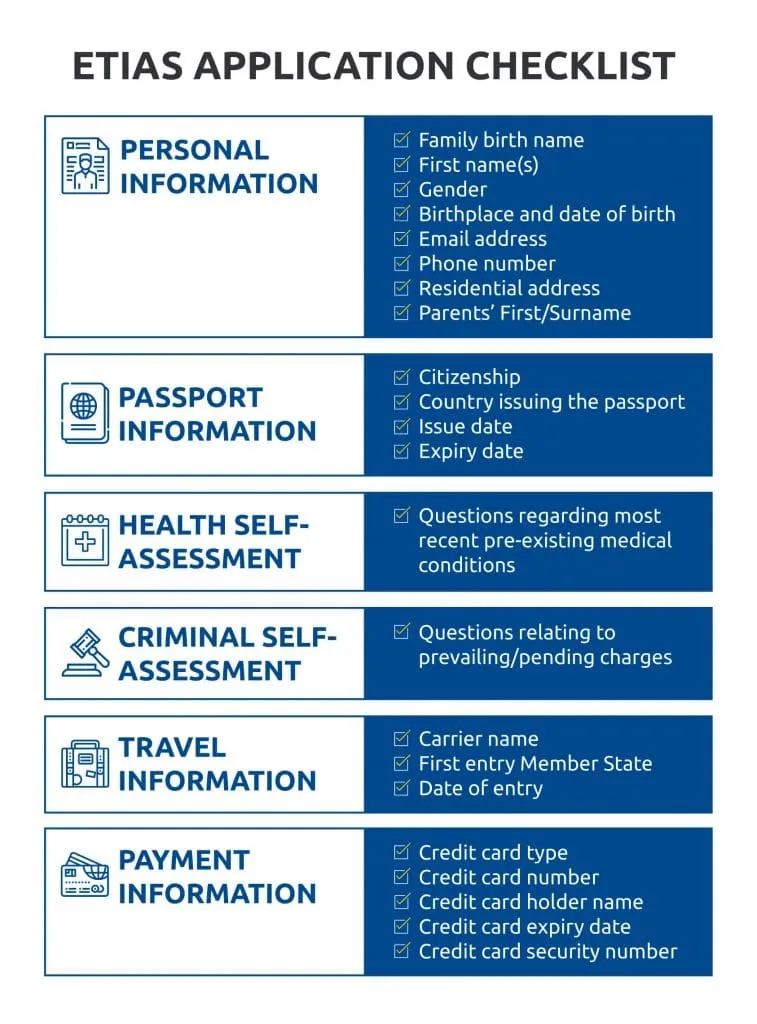
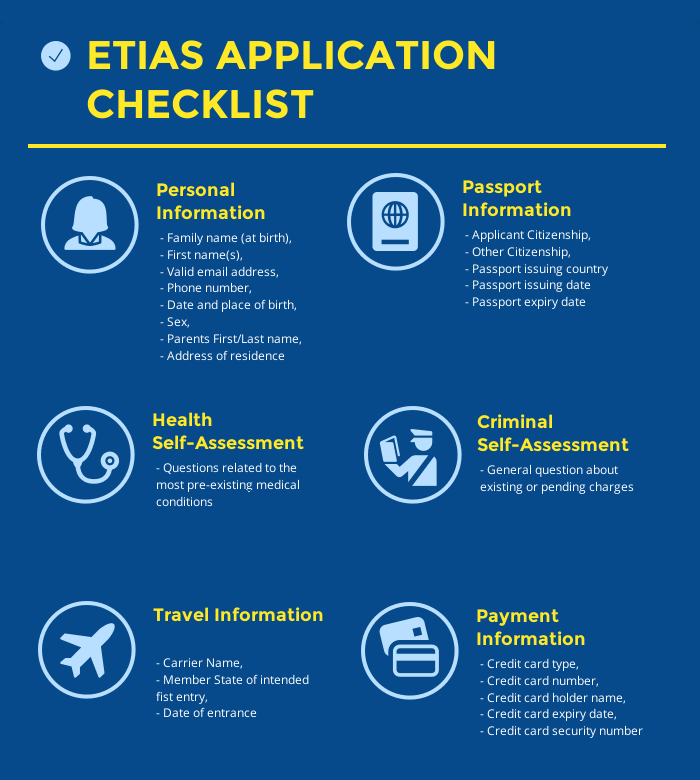
- For ETIAS: Provide personal information, address, passport details, current occupation, and information about past travel to conflict zones or criminal convictions. NO biometric data, such as fingerprints, is collected with ETIAS.
In Details:
Both systems aim to strengthen European security and security of those who travel.
Why?
ETIAS is a new entry requirement for travellers who do not need a visa to enter 30 European countries for a short stay. These include the 27 countries belonging to the Schengen Area as well as Bulgaria, Cyprus, and Romania. With ETIAS, visa-free travellers will need to apply for a travel authorisation before starting their trip. ETIAS is not a visa, and its introduction does not modify the visa-free status of travellers.
The EES will register visa-free and visa-required travellers entering Europe for a short stay. No action will be required from travellers before they start their trip, as registration will be done at the external border of any of the 29 European countries using the system. The countries in question include the 27 Schengen countries, Bulgaria, and Romania. Registration on the EES will be done every time travellers cross external borders and will replace the manual stamping of passports.
How?
When applying for an ETIAS travel authorisation, travellers will need to provide their personal information, including address, passport details, current occupation, and information about past travel to conflict zones or criminal convictions. No biometric data, such as fingerprints, is collected with ETIAS.
The EES, on the other hand, will collect travellers’ facial image and fingerprints. It will also collect travel document data as well as the date and place where the traveller entered and exited the territory of European countries using the system.
When?
Travellers will need to apply for an ETIAS travel authorisation well in advance of starting their trip to Europe, whereas registration with the EES occurs at the external border of the 29 countries using the system.
ETIAS and the EES will not be launched at the same time. The EES will become operational first and ETIAS will follow a few months after.
The exact dates will be announced by the EU later this year.
What is an EES?
The Entry/Exit System modernises the management of the EU’s external borders, gradually improving the experience for travellers. It identifies overstayers and provides reliable data on entries, exits, and refusals of entry. This system will effectively combat identity fraud by collecting biometric data.
On 10th November 2024, the EES (Entry Exit System) will be deployed within the Schengen area. The EES is a new automated IT system for digitally collecting personal data of non-EU nationals travelling for a short stay, whether they require a short-stay visa or not, each time they cross the borders of the Schengen area.Sep 6, 2024
Who needs EES?
The EU has a target date of 10 November 2024 for the EES to go live. Who will it apply to? It will apply to those travelling for a short stay, from what the EU call a ‘third country’. This is people who are not an EU citizen or a citizen of the Schengen area.


ALBANIA
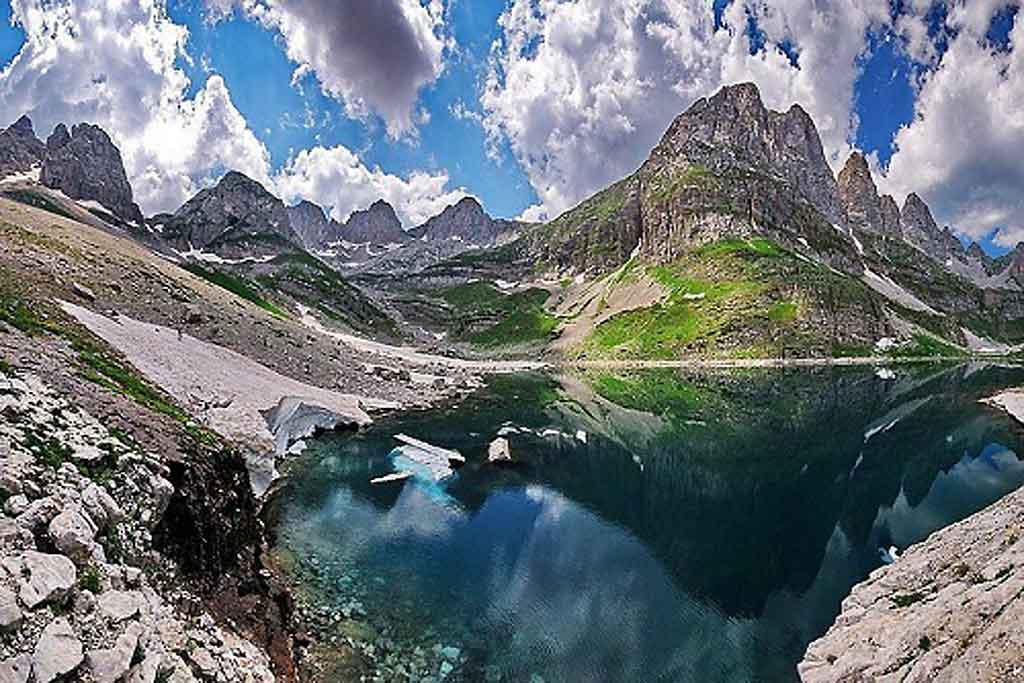
“Albania’s stunning mountain scenery, crumbling castles, boisterous capital and dreamy beaches rival any in the Mediterranean and continue to enchant.
Most Beautiful Places in Albania
- VALBONA VALLEY NATIONAL PARK.
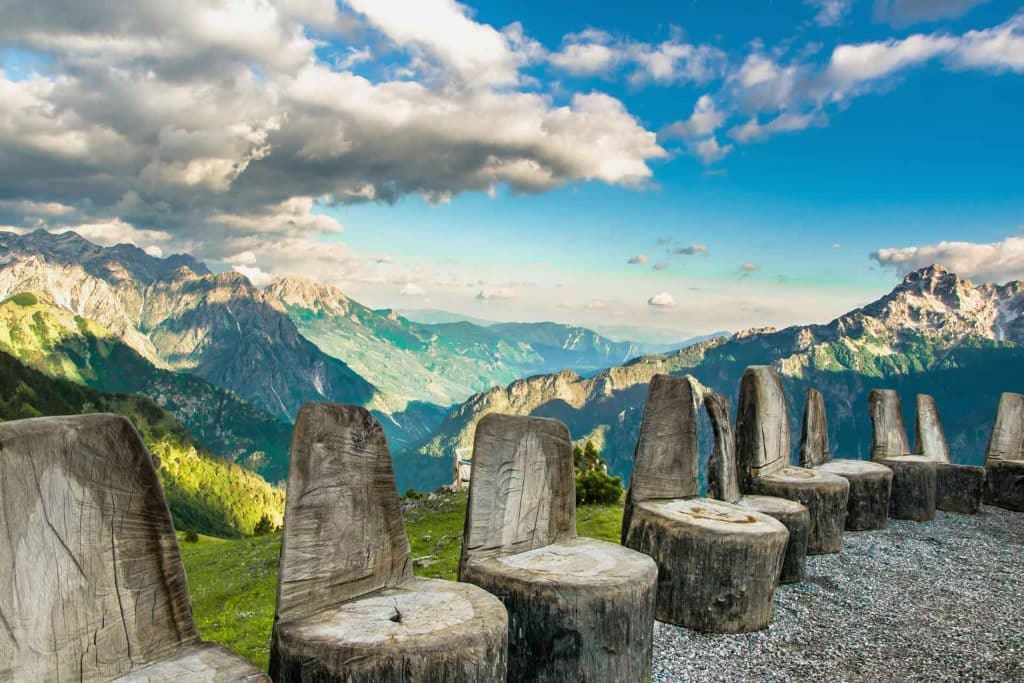
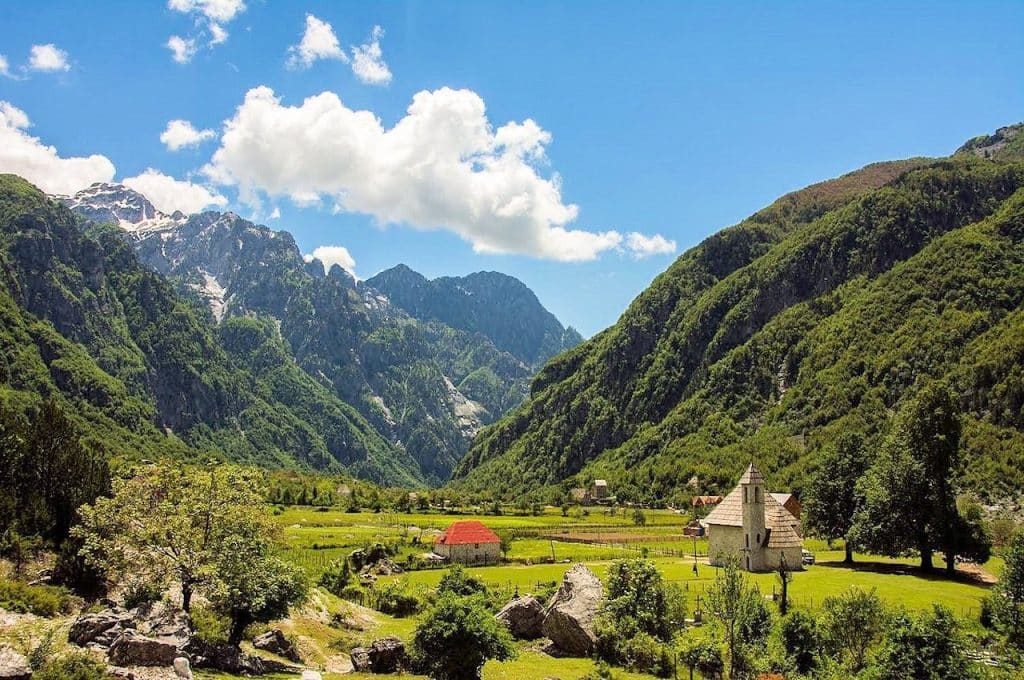
- THETH NATIONAL PARK. this magnificent valley in the Albanian Alps has long been one of the most isolated places in the Balkans. Road built in 2010; Theth National Park structures created in 2022 …Admire old stone buildings, forests, caves, rivers dominated by mountains, rocky cliffs from which torrents and waterfalls tumble… An enchanting scenery.
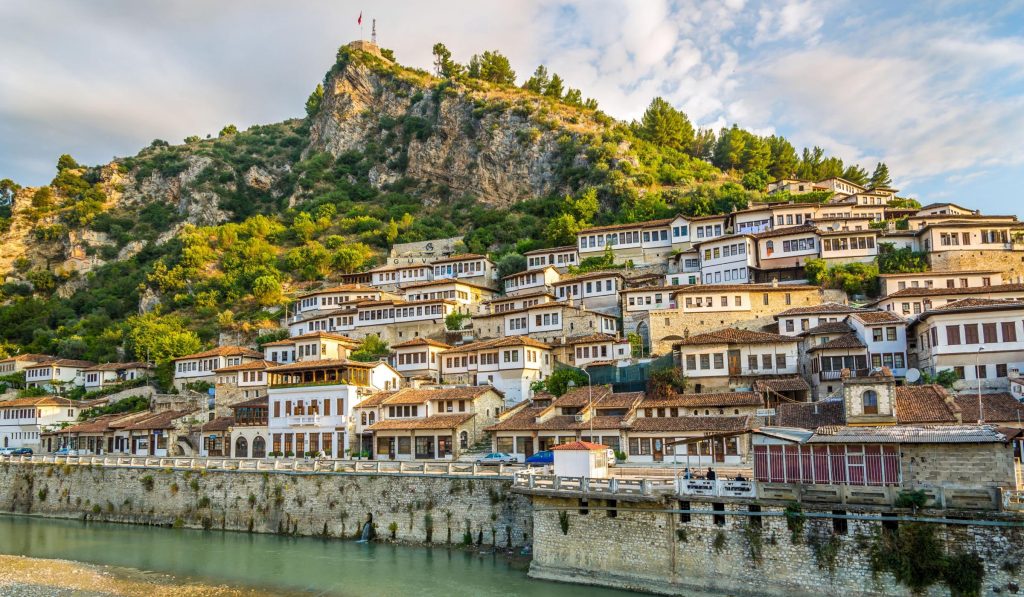
- BERAT, the beautiful “city of a thousand windows”: Nestling between two hills and the River Osum, it proudly displays its cliff-side Ottoman houses and maze of paved streets. Kala citadel, a 13th century castle overlooking the town offers a delightful panorama of the entire valley.

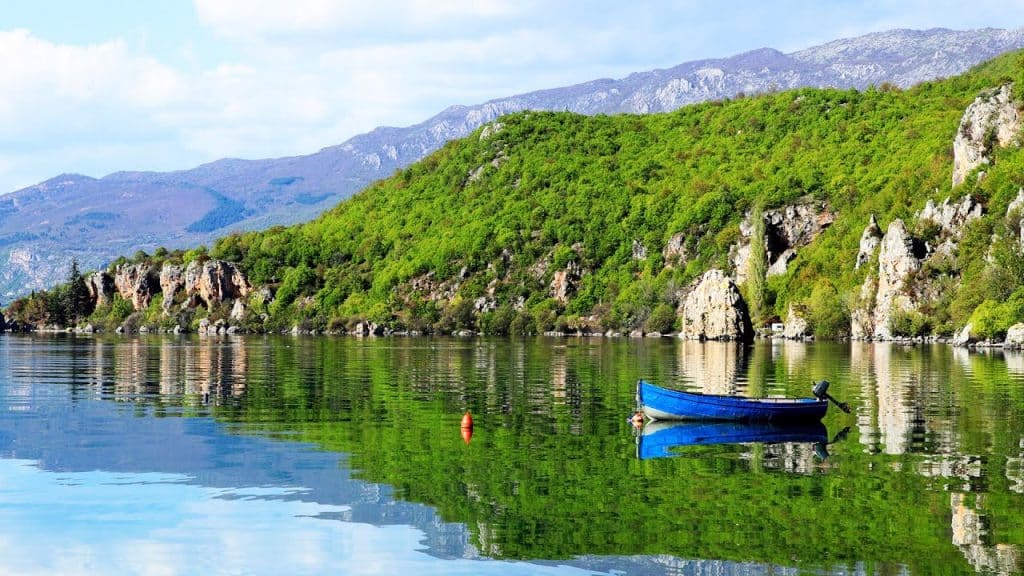
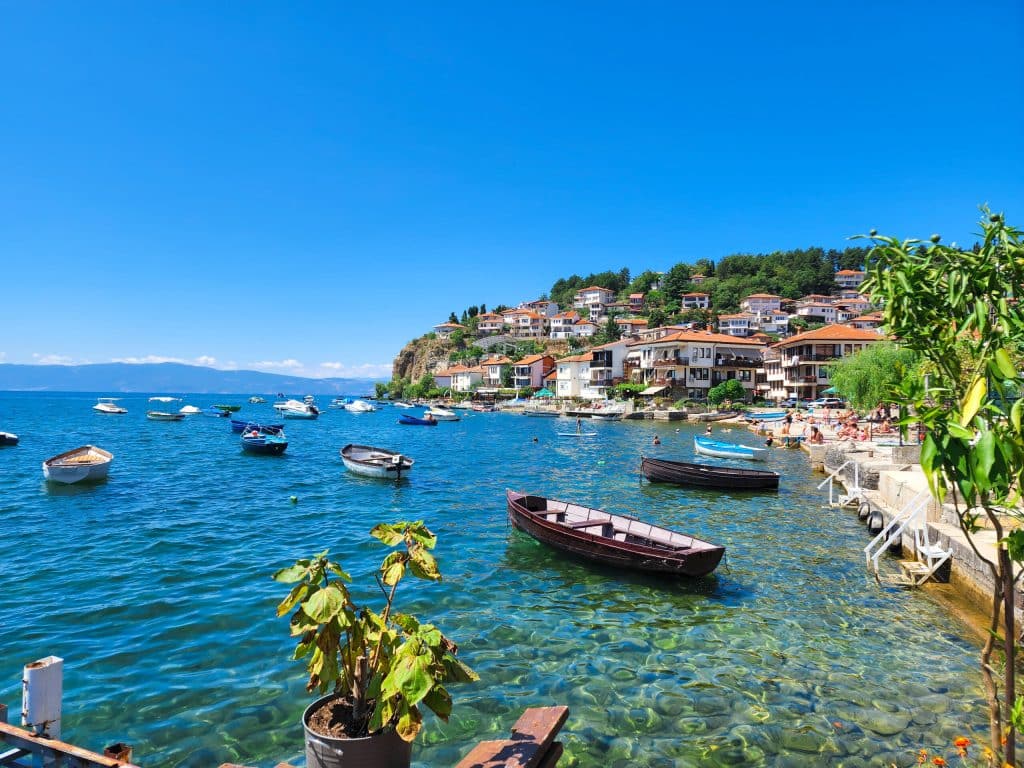
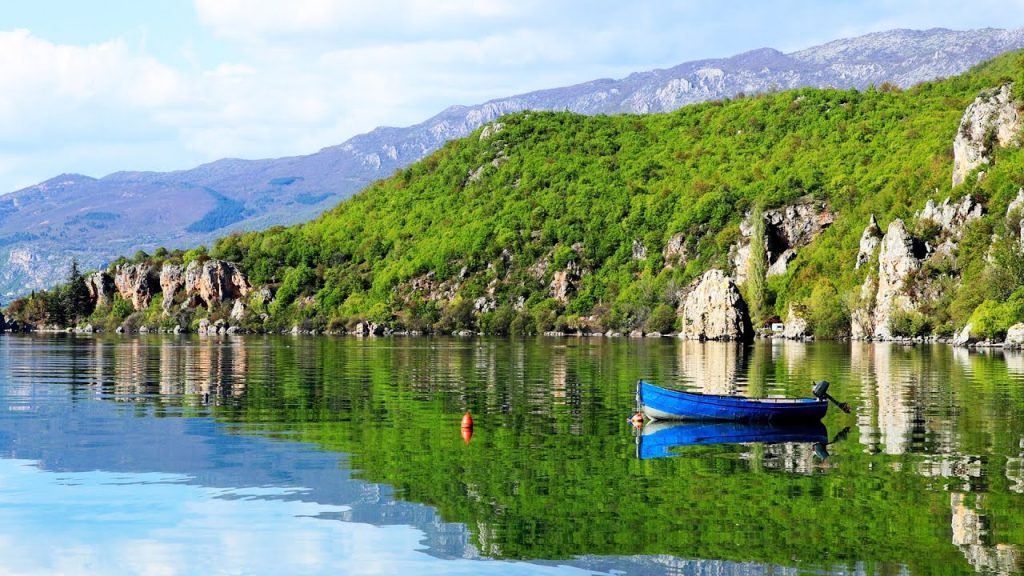
- LAKE OHRID: one of the oldest lakes in the world.
- KSAMIL BEACH.
- GJIROKASTER, the city of “thousand steps” famous for its pretty historic centre and fortress, it has been listed as a UNESCO World Heritage Site for its preserved Ottoman-era buildings.
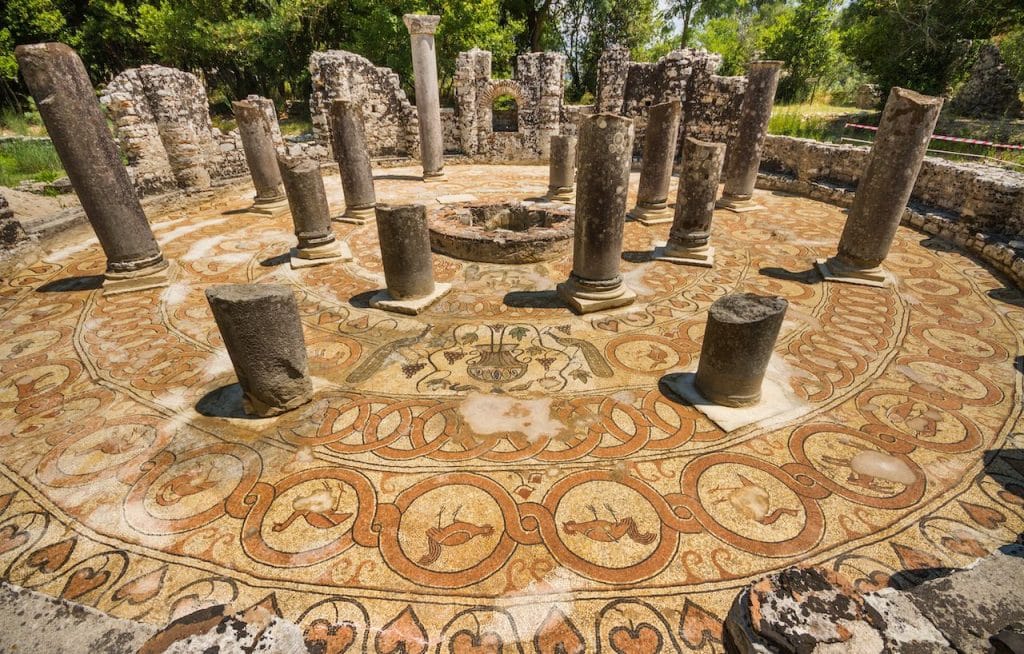

- BUTRINT, the most important archaeological site in Albania, and a UNESCO World Heritage Site at the gateway to Corfu (Greece): Discover medieval ramparts, Greek theatre, Venetian tower, Byzantine basilica and Roman ruins.
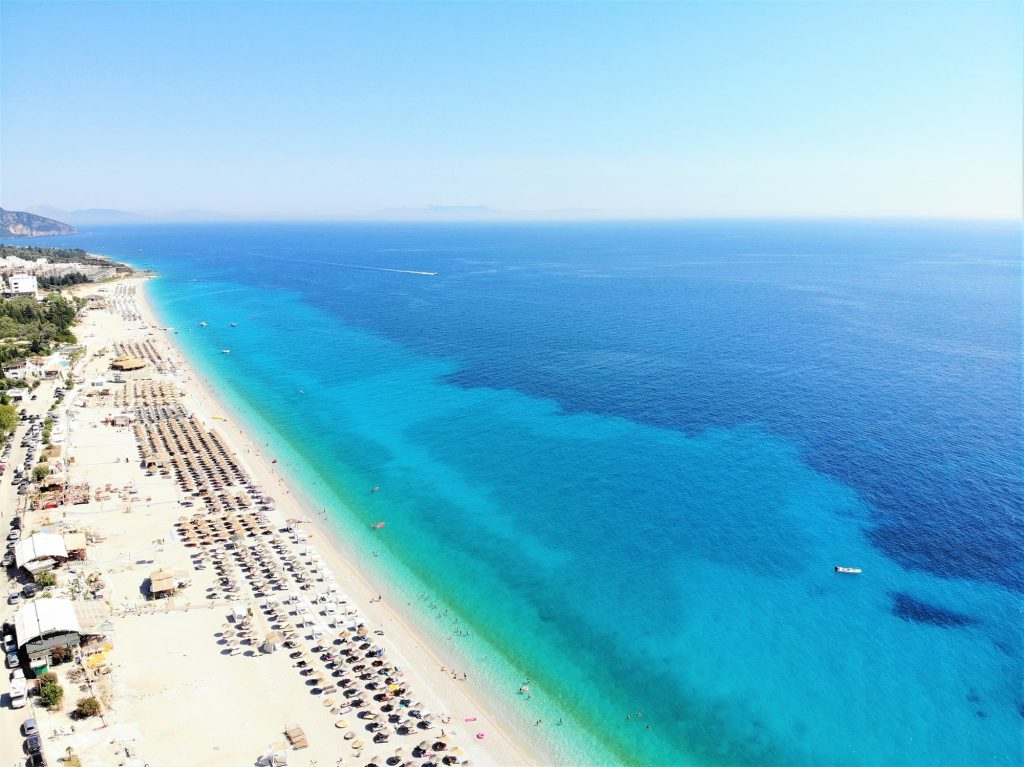
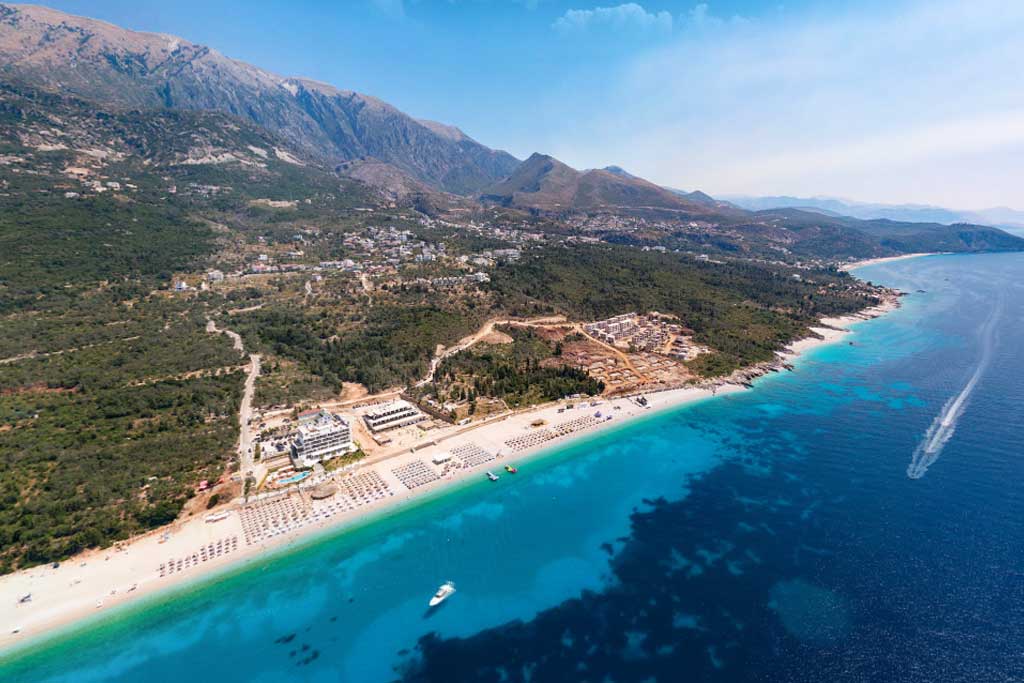
- DHËRMI, the wild beauty of the Albanian Riviera: Bordered by the Ceraunian mountains and hemmed in by paradise beaches, the bay offers unforgettable hiking trails such as the Gjipe canyon, with its spectacular cliffs overlooking a sandy cove fringed by turquoise waters.
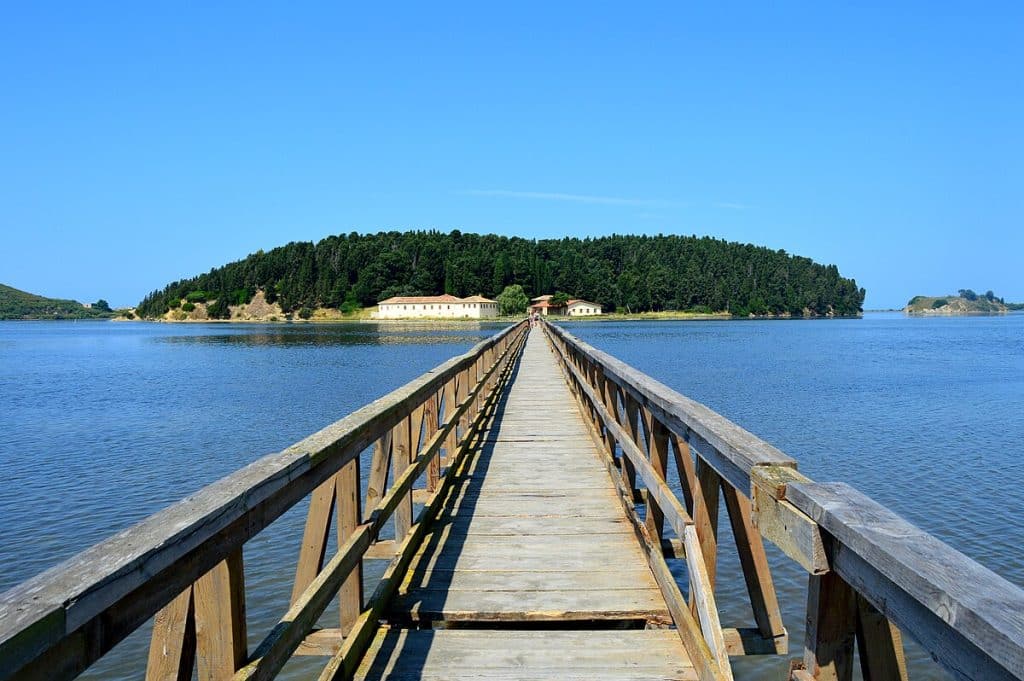
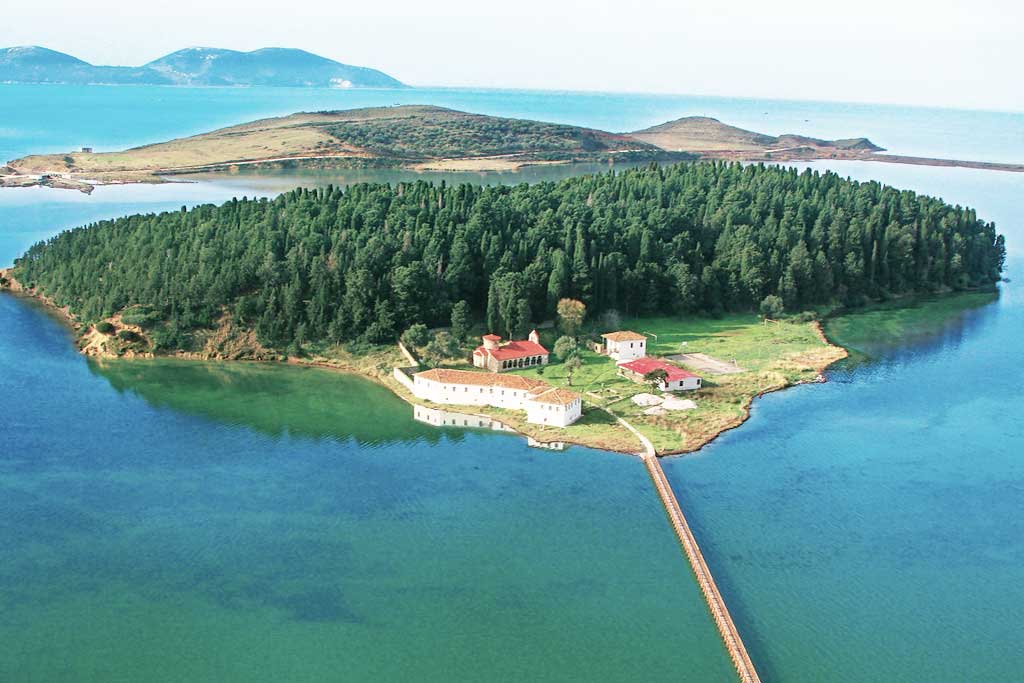
ZVERNEC, opposite Puglia (Italy) there is a peaceful lagoon of Narta, which is home to the small island of Zvernec. It can be reached via a 270-metre-long winding bridge. This pine-covered dot of land is home to the well-preserved 13th century Byzantine monastery of Sainte-Marie.
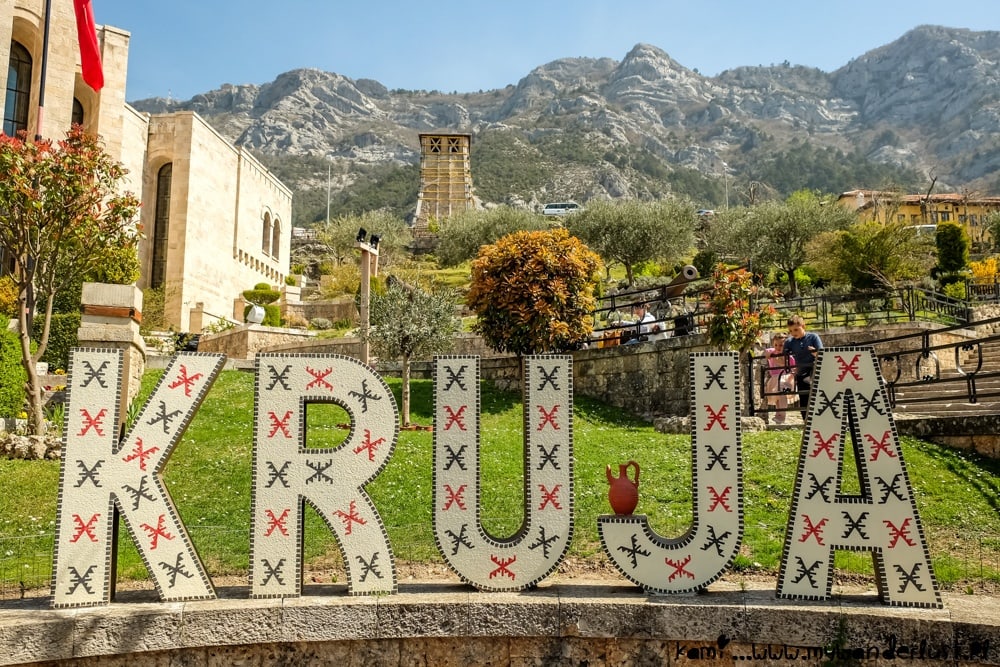
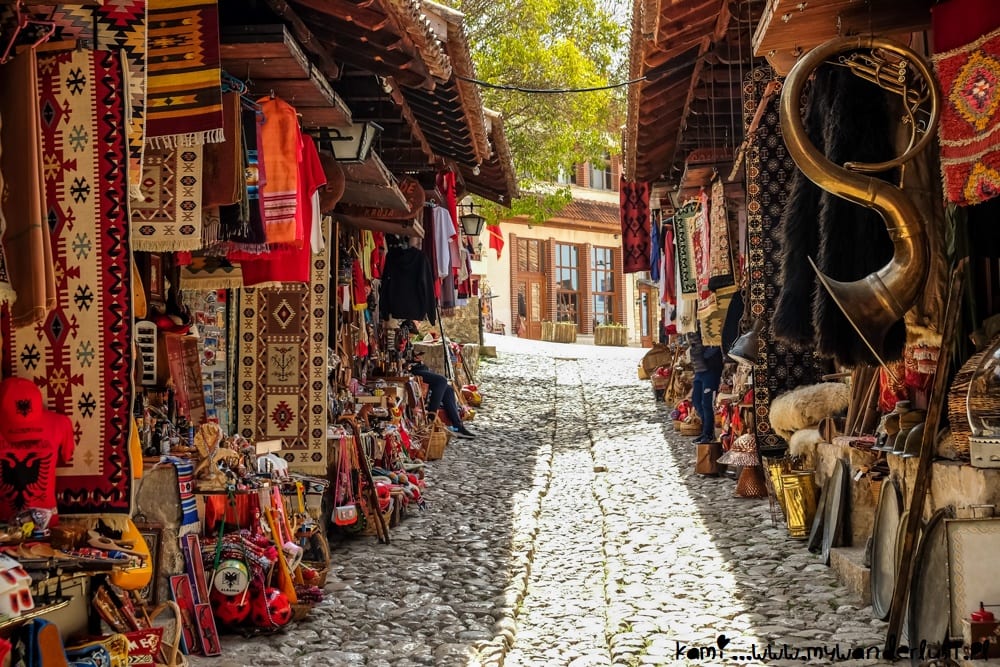
KRUJA, famous for its hilltop castle, pine-covered mountains, cobbled streets, old white-walled houses, Ottoman monuments, old bazaar…
- KOMAN LAKE, immerse yourself among the vertiginous views offered by the High Mountains of northern Albania. The jaded waters of the lake are surrounded by rugged and verdant towering cliffs, and this peaceful cruise is the perfect opportunity for a few hours of tranquility, or for exploring Albania’s rich wildlife. Birders should look out for pygmy cormorants, herons, and golden eagles.
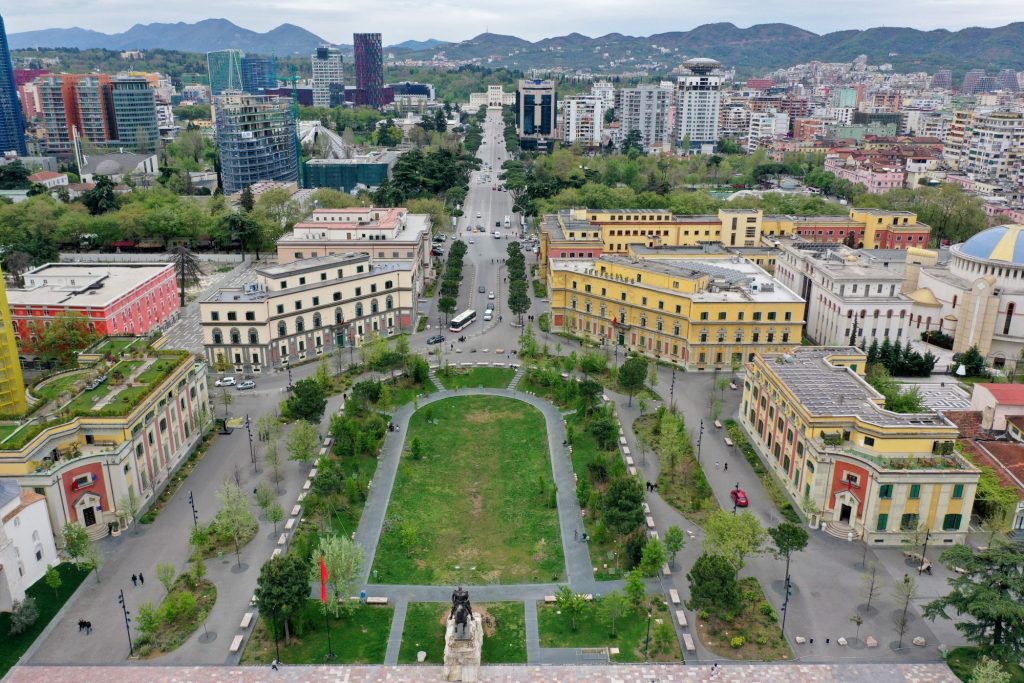
- TIRANA, Tirana, the heart and capital of Albania, like all other European metropolises has never-ending movement and energy. With its clubs, bars, cafes, and taverns, Tirana is worth discovering by both day and night.
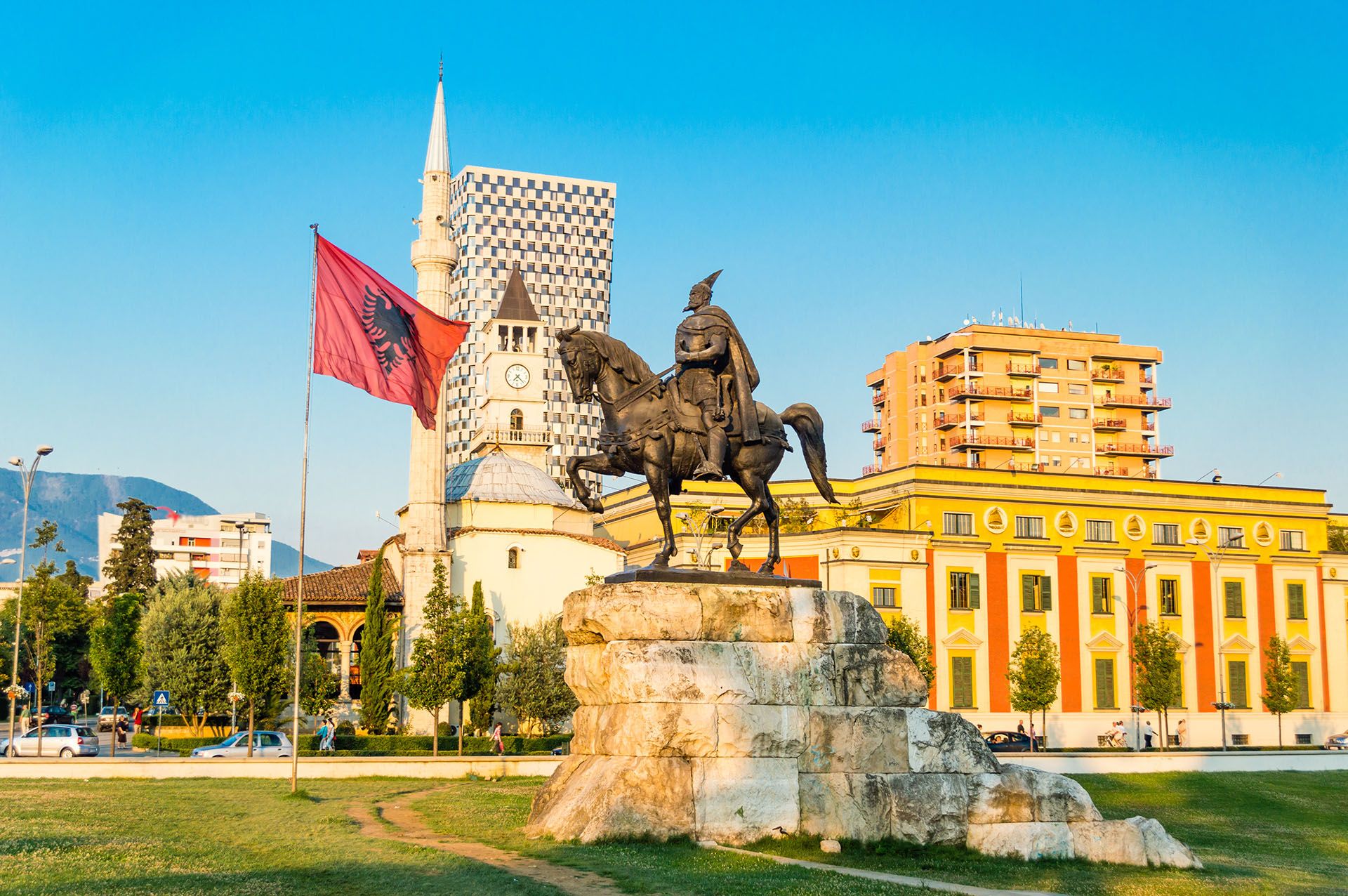
- The Skanderbeg Square (Albanian: Sheshi Skënderbej) is the main plaza in the centre of Tirana. It commemorates the 15th century nobleman, and hero of the nation for resisting the Ottomans.
- Grand Park of Tirana:… an artificial lake, Saint Procopius Church, Presidential Palace, and memorials to several Albanian personalities. The Park is called the “Lung of the City” due to the diversity of plants; Botanical Garden, Zoo, complex of swimming pools; amphitheatre, the artificial lake is a well-known fishing and also swimming area.
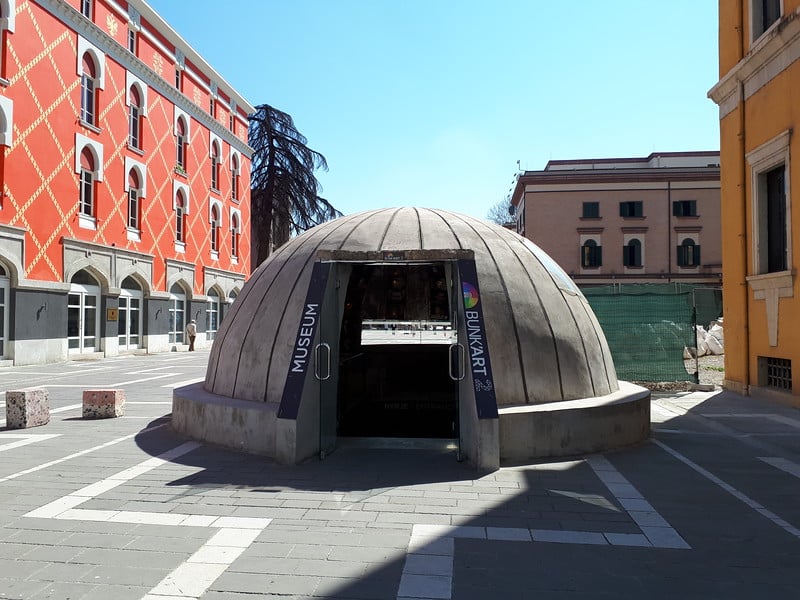
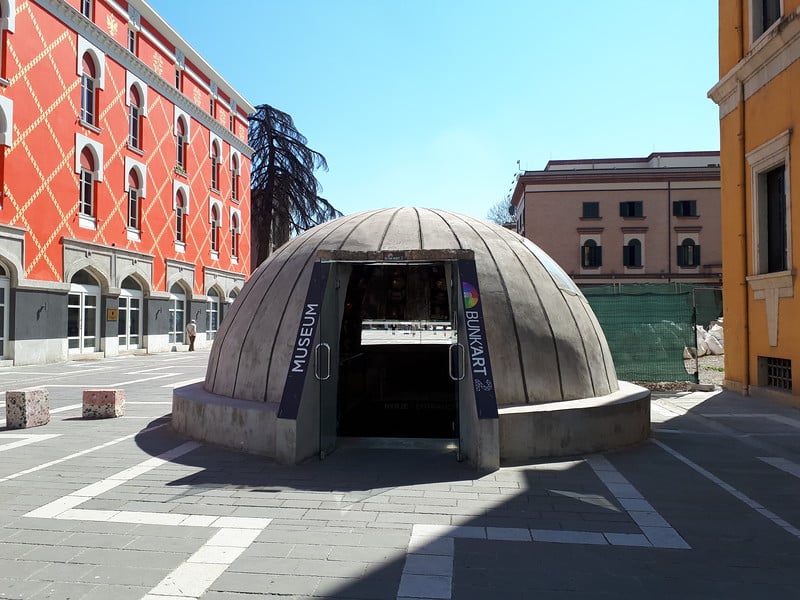
- Bunk’Art 1 is five levels & 3,000m2 of underground protective bunker, the product of Enver Hoxha’s fear of nuclear fallout. The case of dictator Enver Hoxha is unique in the world. He built over 200,000 bunkers (even 700,000) throughout the country, driven by a fear of nuclear war and invaders.
Bunk Art 2, located right in the centre of Tirana, just 30 seconds walk from Skenderbeg Square. Based inside a real communist era bunker


ALBANIA, Guide by Intertravel
“Albania’s stunning mountain scenery, crumbling castles, boisterous capital and dreamy beaches rival any in the Mediterranean and continue to enchant.
Most Beautiful Places in Albania
- VALBONA VALLEY NATIONAL PARK.

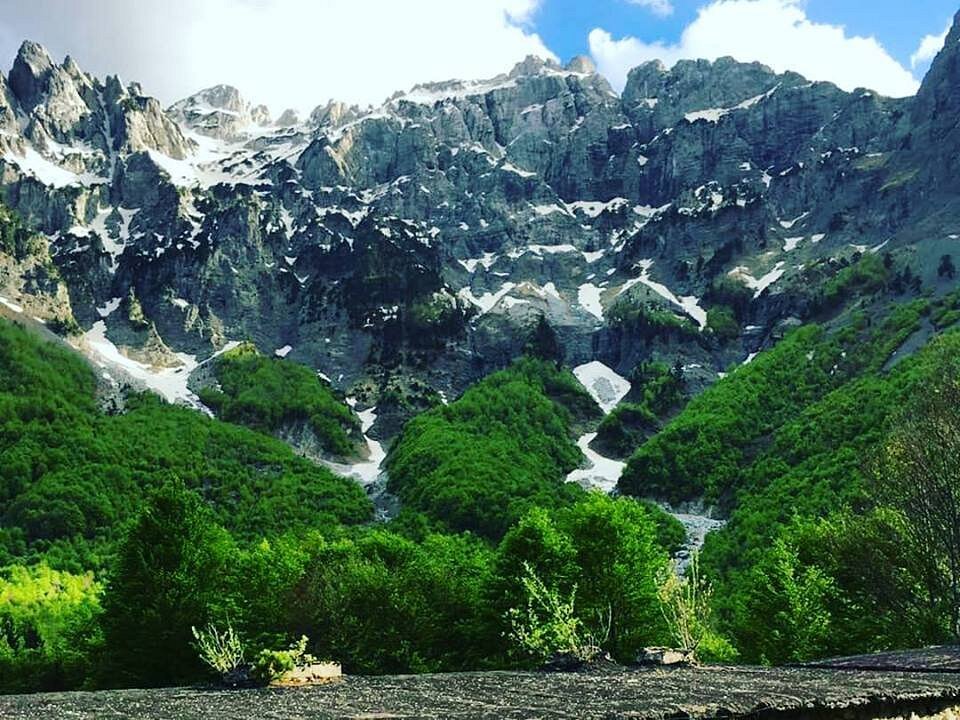
- THETH NATIONAL PARK. this magnificent valley in the Albanian Alps has long been one of the most isolated places in the Balkans. Road built in 2010; Theth National Park structures created in 2022 …Admire old stone buildings, forests, caves, rivers dominated by mountains, rocky cliffs from which torrents and waterfalls tumble… An enchanting scenery.
- BERAT, the beautiful “city of a thousand windows”: Nestling between two hills and the River Osum, it proudly displays its cliff-side Ottoman houses and maze of paved streets. Kala citadel, a 13th century castle overlooking the town offers a delightful panorama of the entire valley.
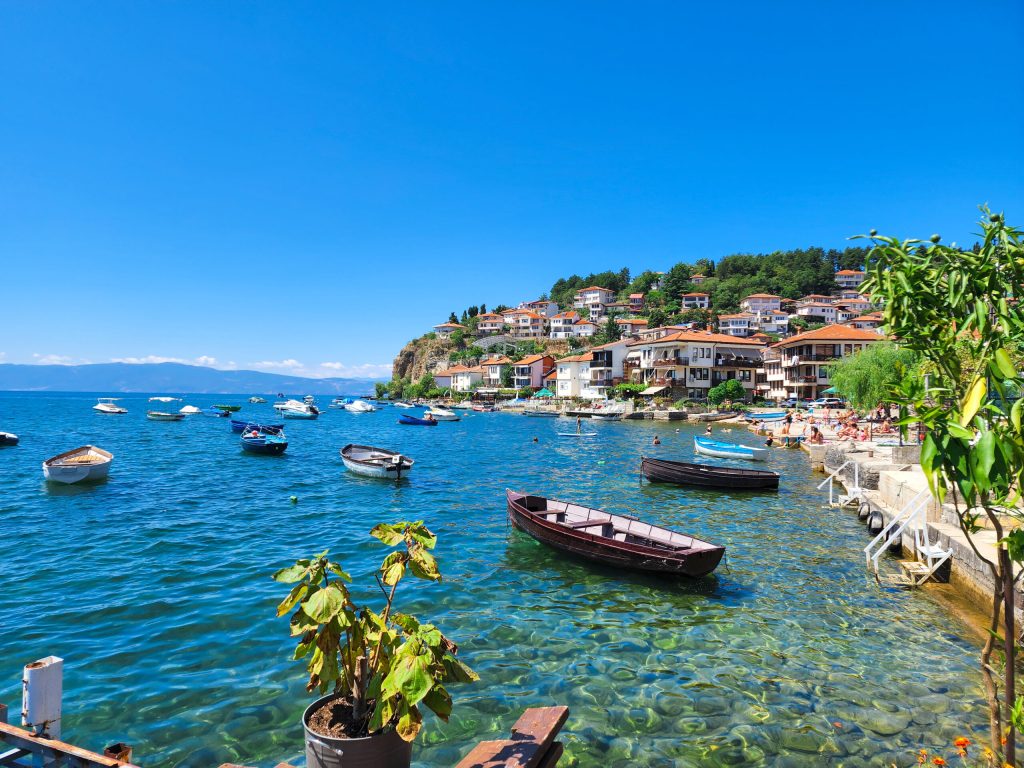
- LAKE OHRID: one of the oldest lakes in the world.
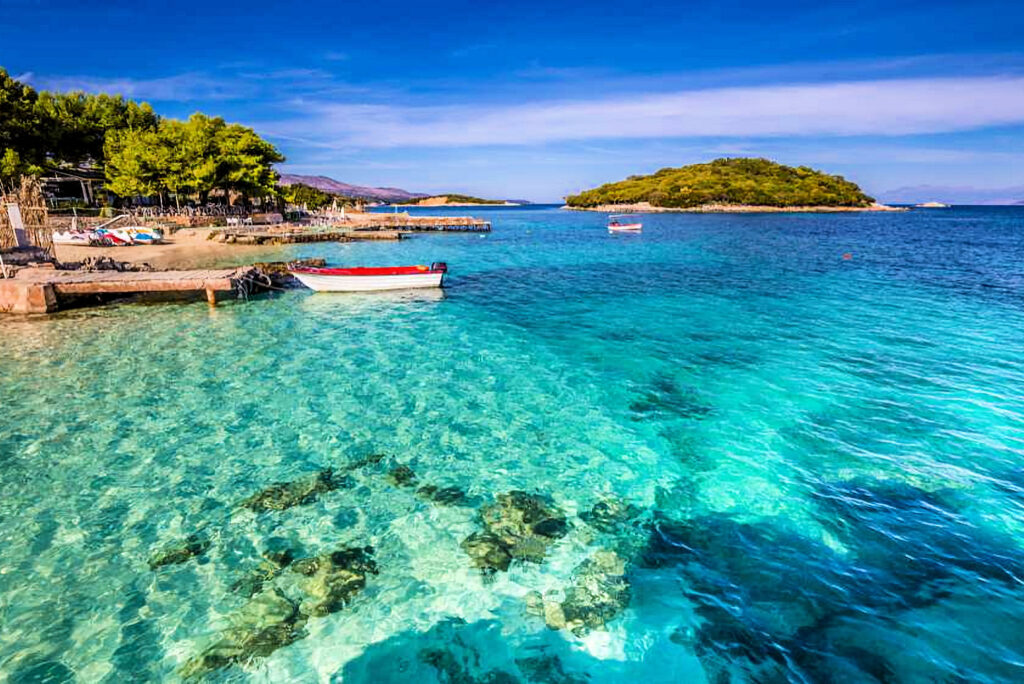
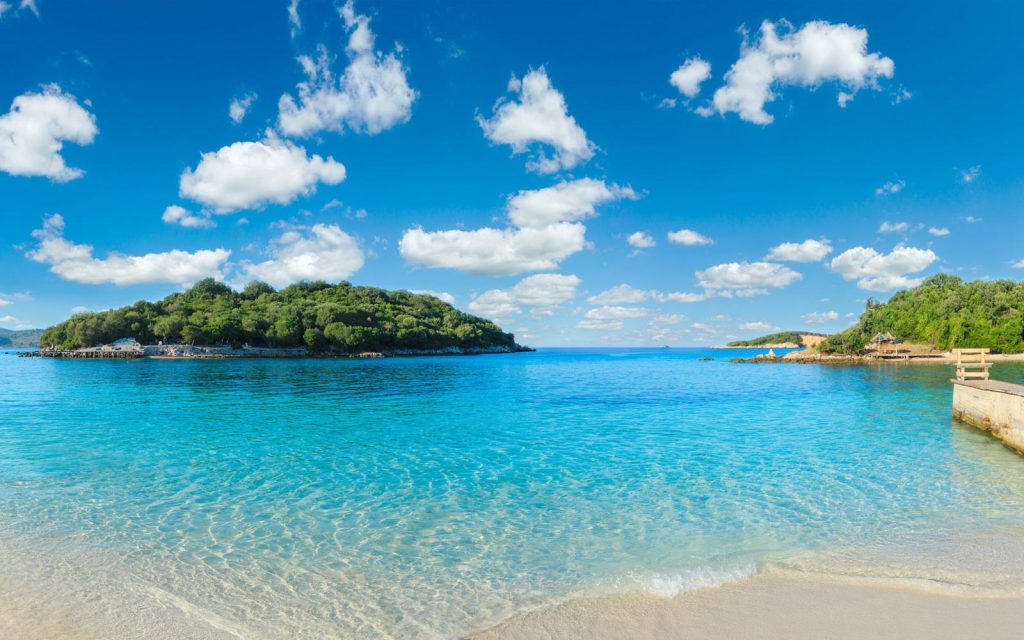
- KSAMIL BEACH.
- GJIROKASTER, the city of “thousand steps” famous for its pretty historic centre and fortress, it has been listed as a UNESCO World Heritage Site for its preserved Ottoman-era buildings.
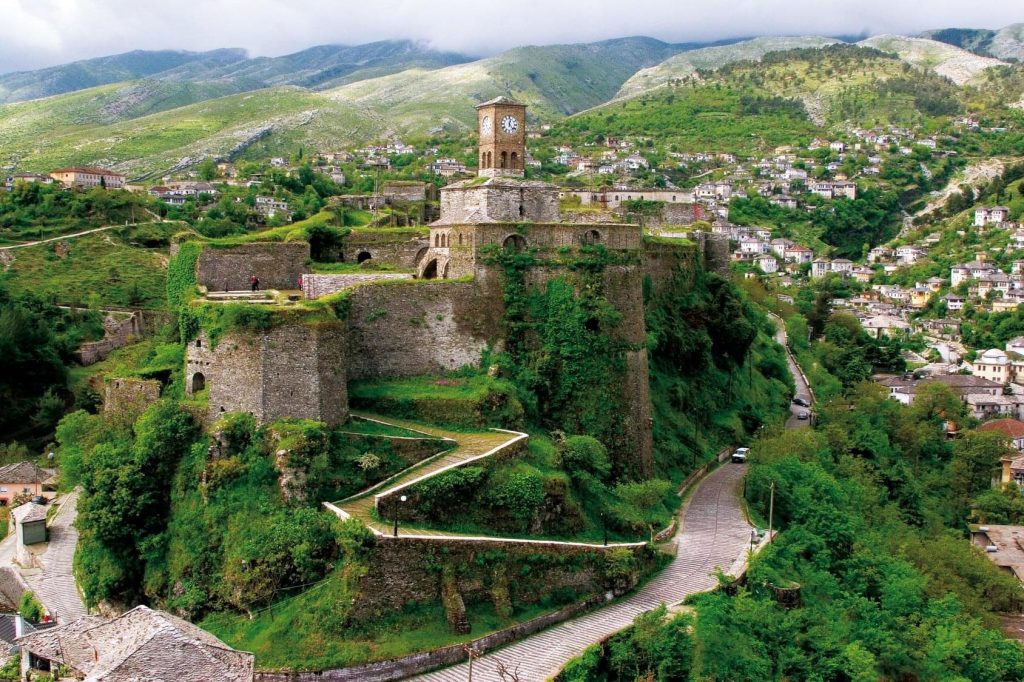
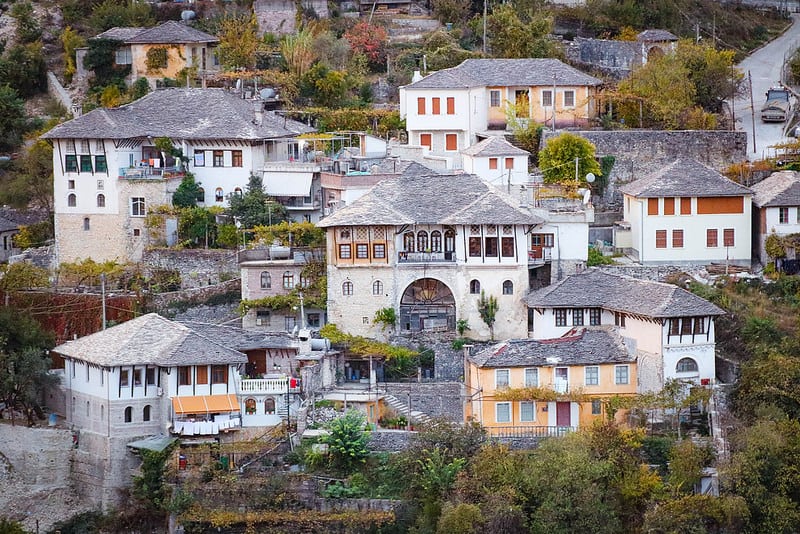
- BUTRINT, the most important archaeological site in Albania, and a UNESCO World Heritage Site at the gateway to Corfu (Greece): Discover medieval ramparts, Greek theatre, Venetian tower, Byzantine basilica and Roman ruins.
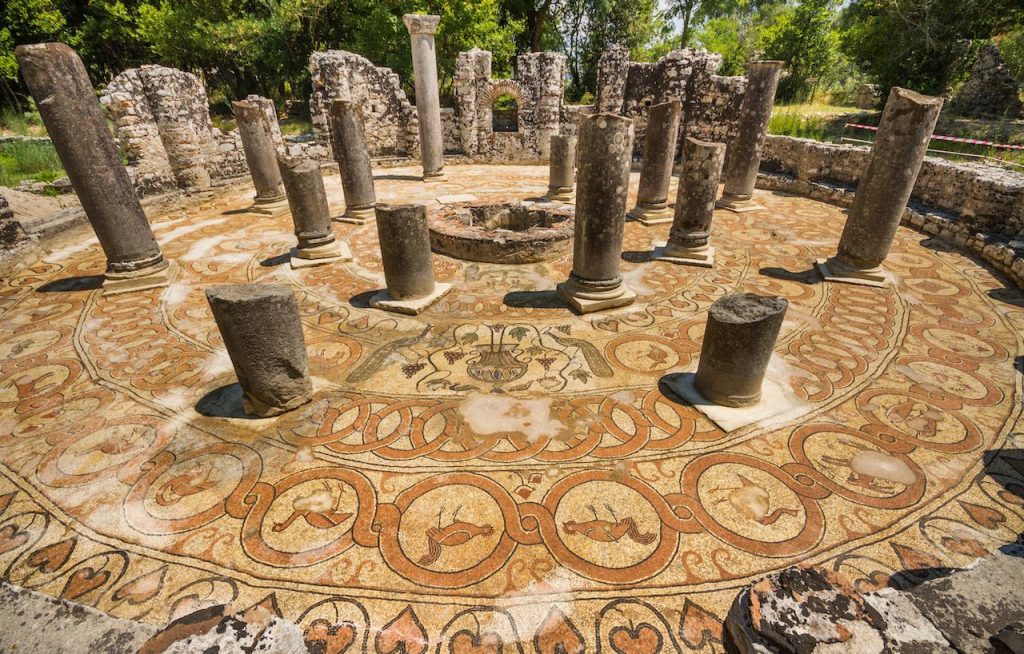
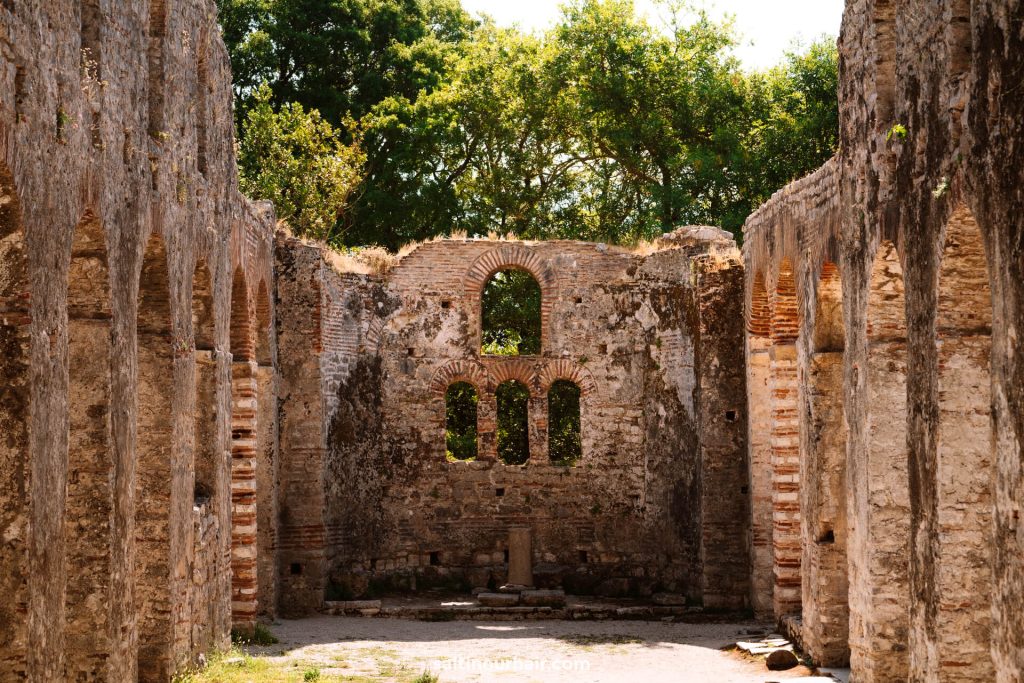
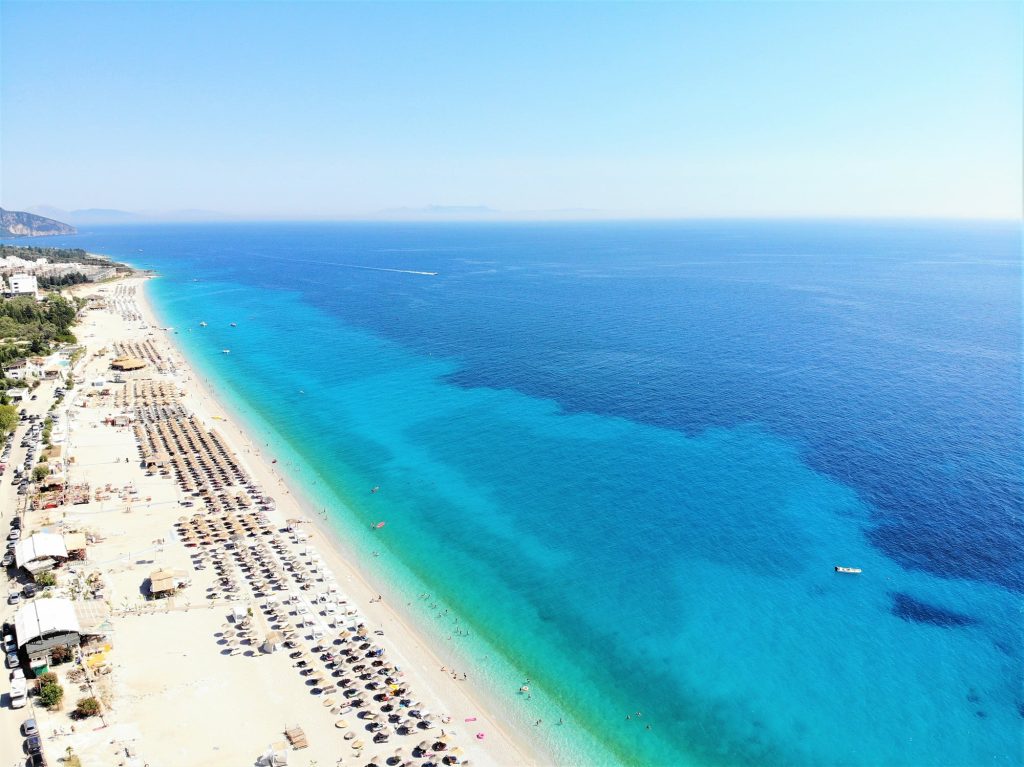
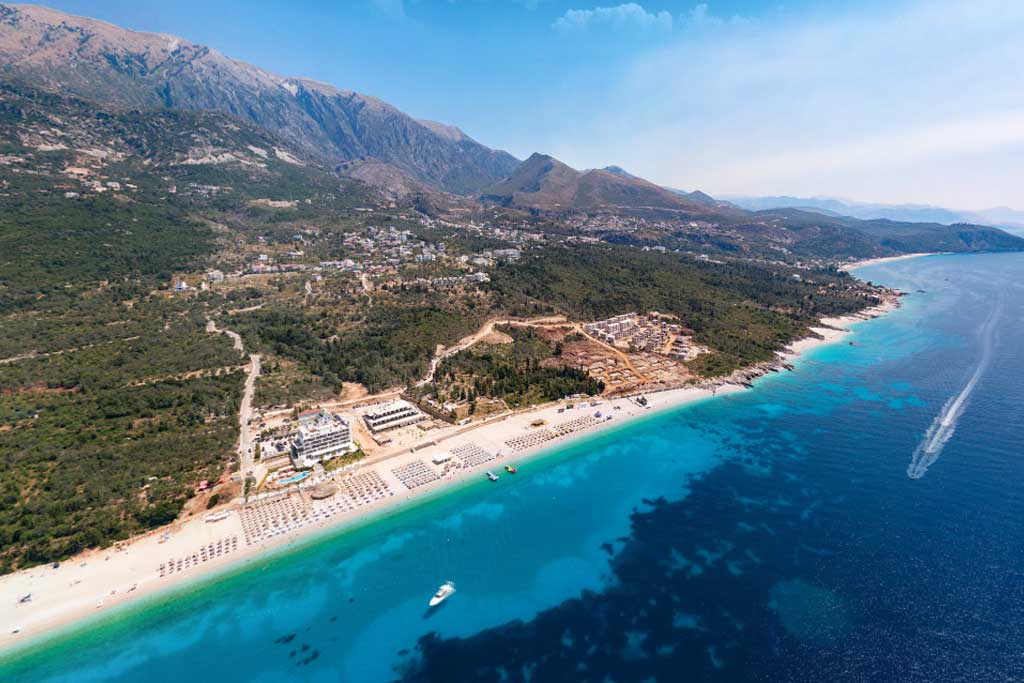
DHËRMI, the wild beauty of the Albanian Riviera: Bordered by the Ceraunian mountains and hemmed in by paradise beaches, the bay offers unforgettable hiking trails such as the Gjipe canyon, with its spectacular cliffs overlooking a sandy cove fringed by turquoise waters.
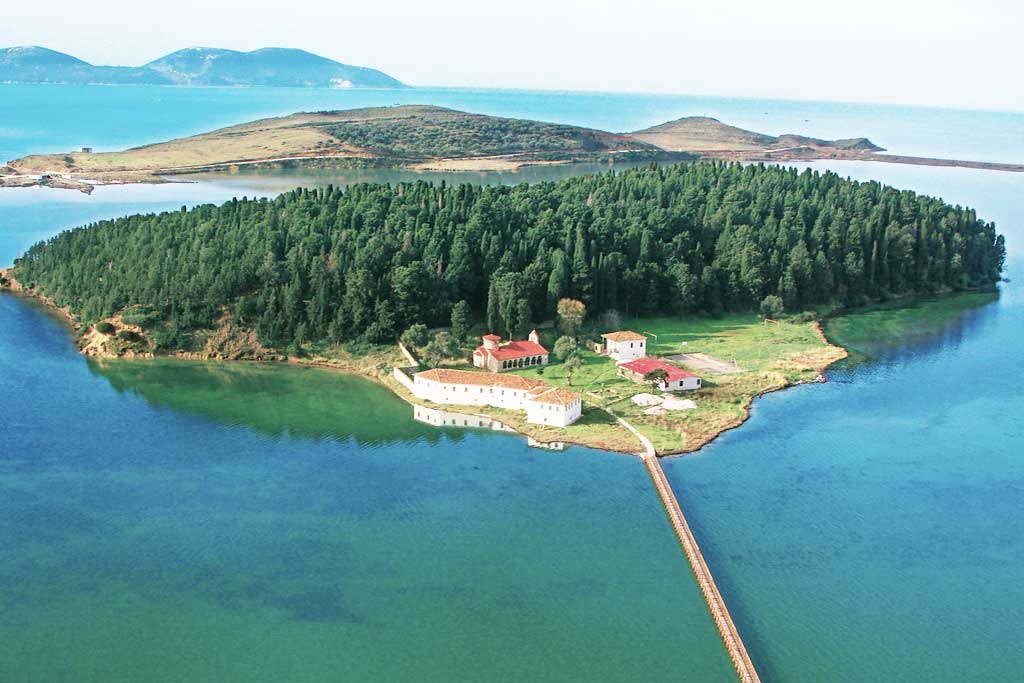
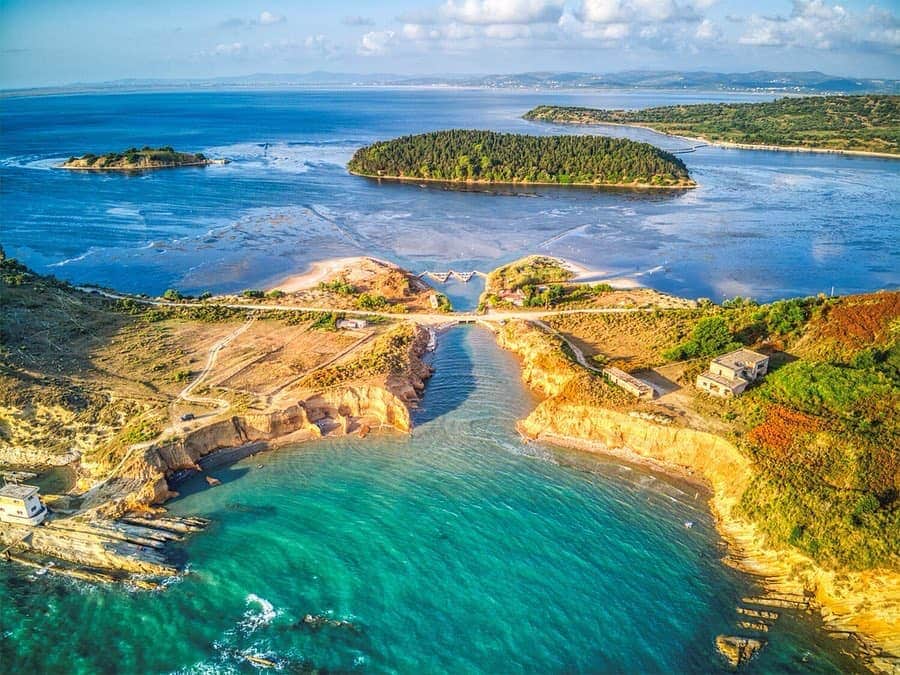
ZVERNEC, opposite Puglia (Italy) there is a peaceful lagoon of Narta, which is home to the small island of Zvernec. It can be reached via a 270-metre-long winding bridge. This pine-covered dot of land is home to the well-preserved 13th century Byzantine monastery of Sainte-Marie.
KRUJA, famous for its hilltop castle, pine-covered mountains, cobbled streets, old white-walled houses, Ottoman monuments, old bazaar…
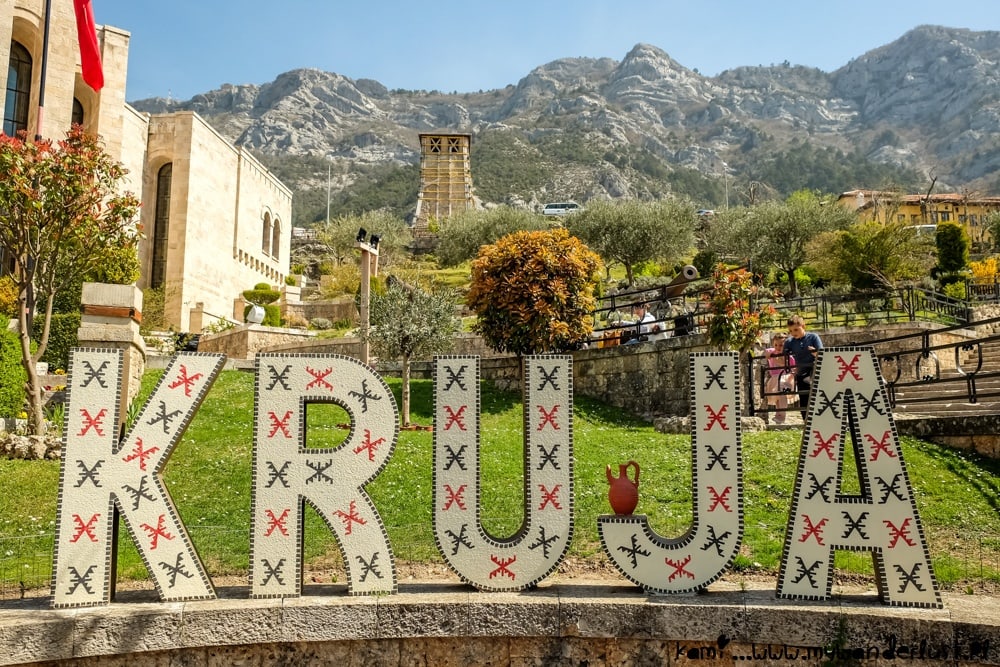
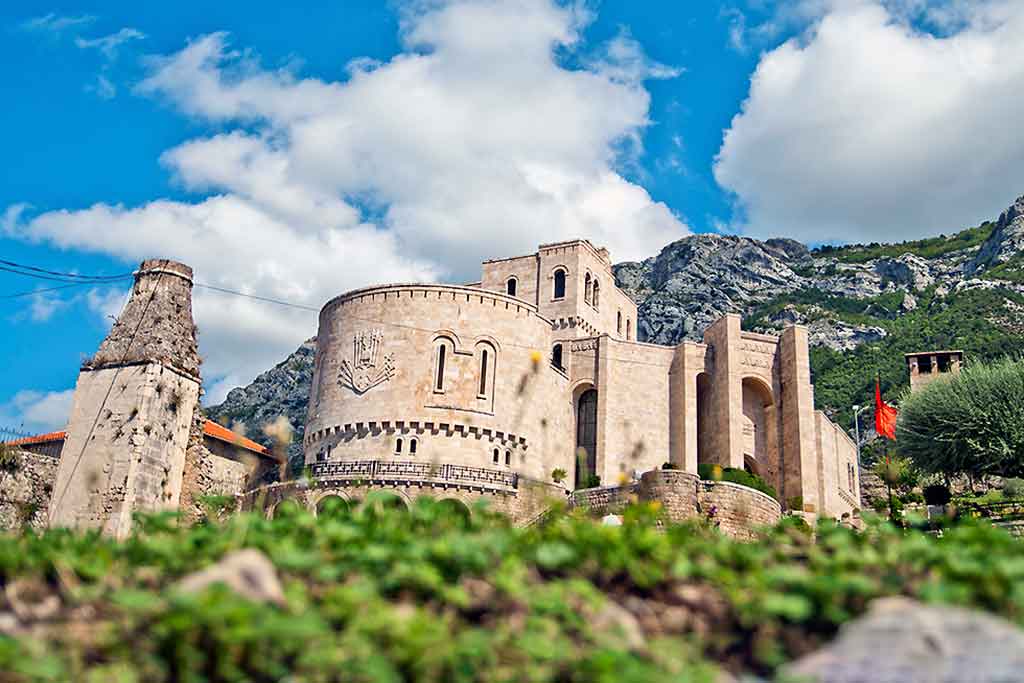
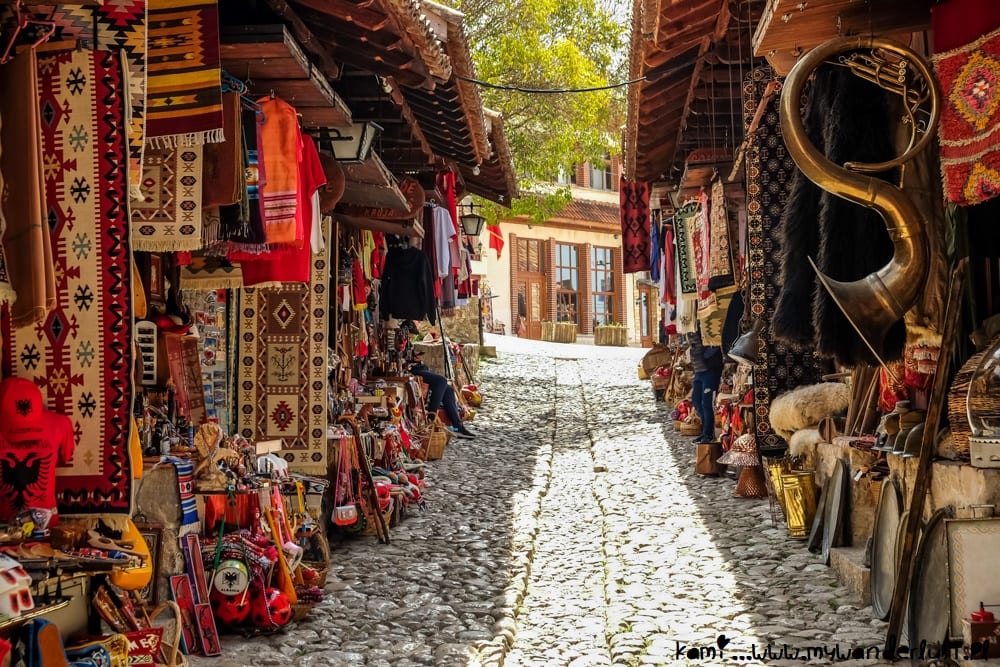
KOMAN LAKE, immerse yourself among the vertiginous views offered by the High Mountains of northern Albania. The jaded waters of the lake are surrounded by rugged and verdant towering cliffs, and this peaceful cruise is the perfect opportunity for a few hours of tranquility, or for exploring Albania’s rich wildlife. Birders should look out for pygmy cormorants, herons, and golden eagles.
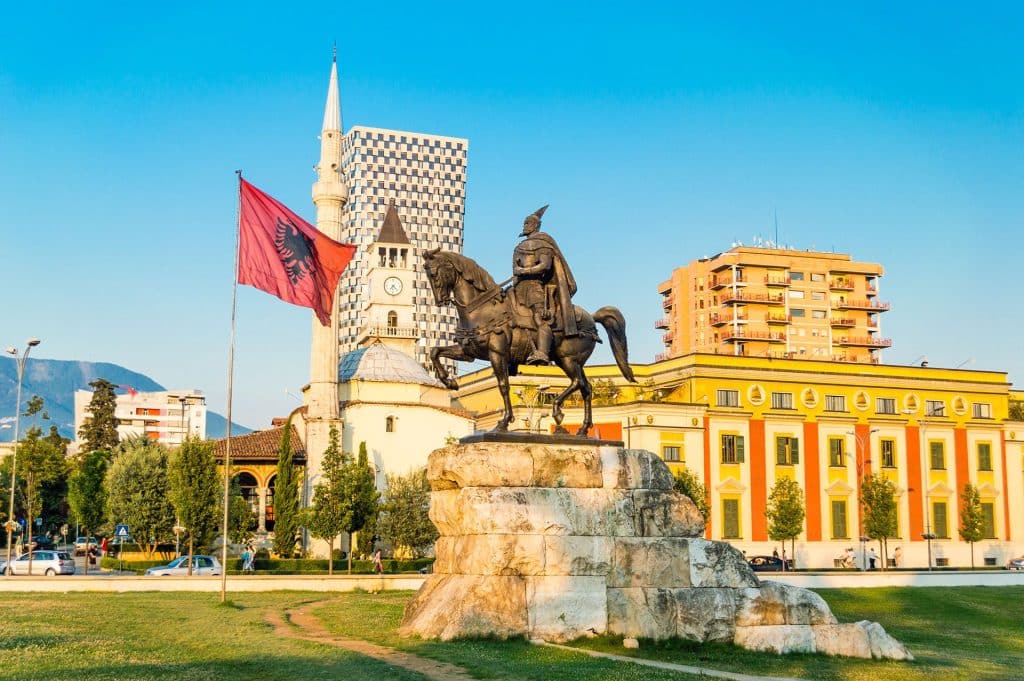

- TIRANA, Tirana, the heart and capital of Albania, like all other European metropolises has never-ending movement and energy. With its clubs, bars, cafes, and taverns, Tirana is worth discovering by both day and night.
- The Skanderbeg Square (Albanian: Sheshi Skënderbej) is the main plaza in the centre of Tirana. It commemorates the 15th century nobleman, and hero of the nation for resisting the Ottomans.
- Grand Park of Tirana:… an artificial lake, Saint Procopius Church, Presidential Palace, and memorials to several Albanian personalities. The Park is called the “Lung of the City” due to the diversity of plants; Botanical Garden, Zoo, complex of swimming pools; amphitheatre, the artificial lake is a well-known fishing and also swimming area.
- Bunk’Art 1 is five levels & 3,000m2 of underground protective bunker, the product of Enver Hoxha’s fear of nuclear fallout. The case of dictator Enver Hoxha is unique in the world. He built over 200,000 bunkers (even 700,000) throughout the country, driven by a fear of nuclear war and invaders.
- Bunk Art 2, located right in the centre of Tirana, just 30 seconds walk from Skenderbeg Square. Based inside a real communist era bunker

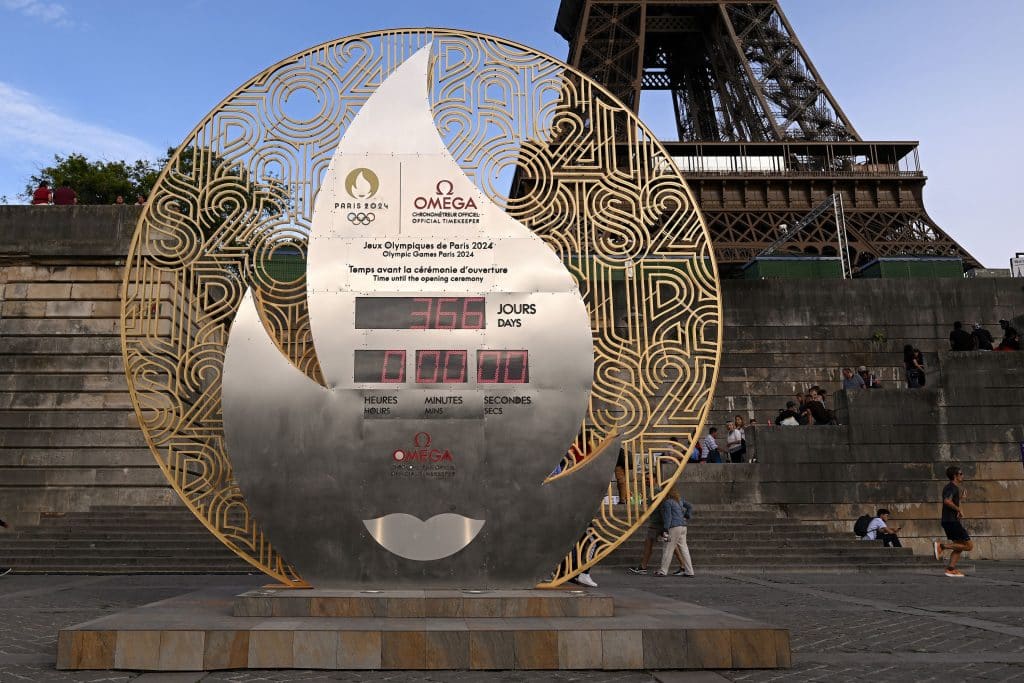
PARIS OLYMPIC GAMES NEWS
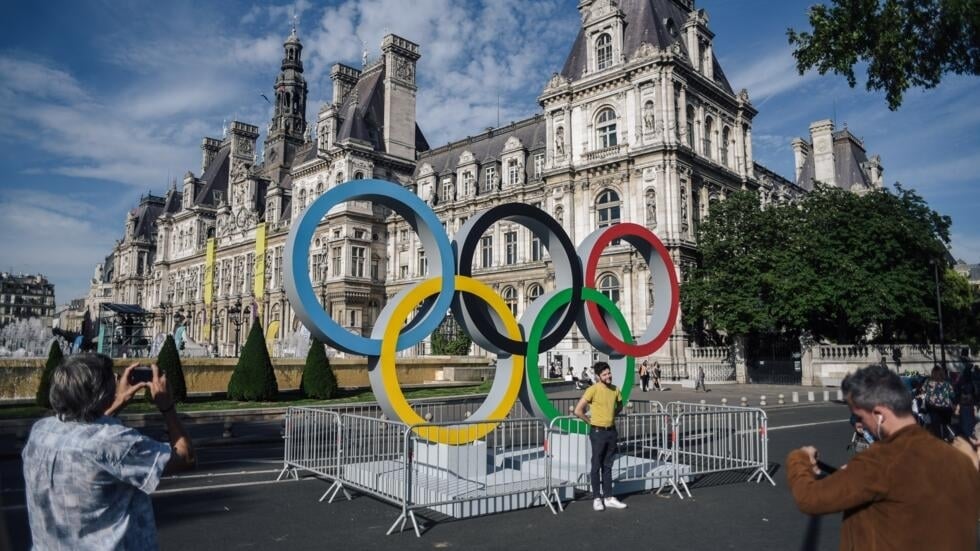
| Jul26-Sep08 | OLYMPIC GAMES will take place in Paris from July 26 to August 11. Paralympic Games from August 28 to September 8. |
| Jul26-Aug11 | Expect an increased security presence; major disruptions to traffic, and crowds. |
| May08 | From May 08th, public events related to Olympic Games will take place across France. |
FRANCE 24 VISITS THE PARIS 2024 OLYMPICS SITES ACROSS THE CAPITAL
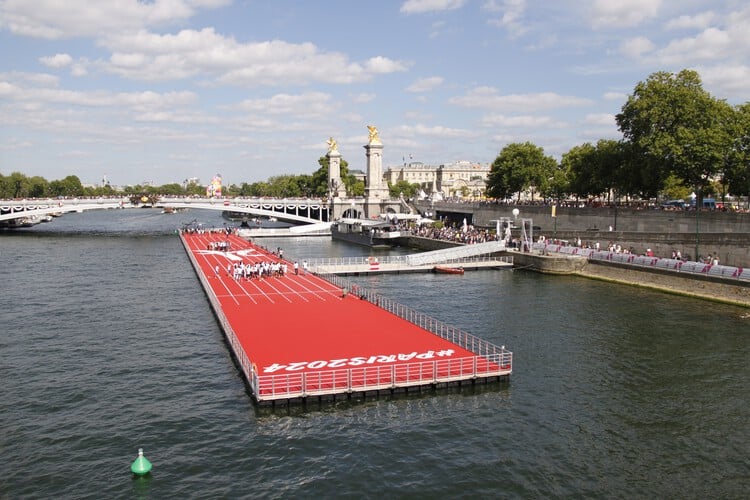
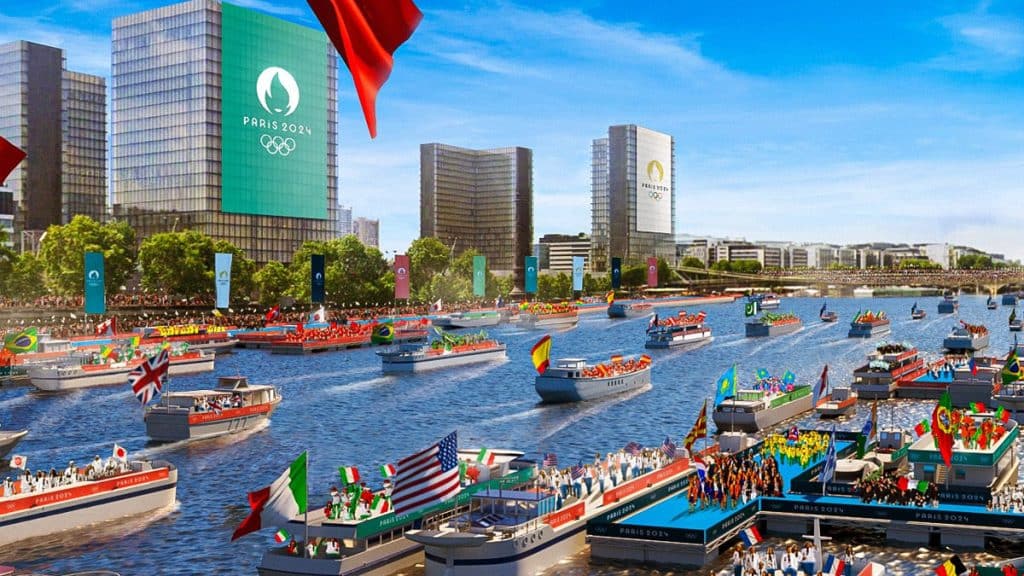
SPORT – From the magnificent Palace of Versailles to the Stade de France and the home of French tennis at Roland-Garros, FRANCE 24’s sports editor James Vasina visits the major sites that will host Olympic events during the Paris 2024 games and the opening ceremony, one year ahead of what promises to be a global sports extravaganza.
- Palace of Versailles (show jumping, dressage)
- Alexandre III Bridge (marathon swimming, triathlon)
- Stade de France (athletics)
- The River Seine (opening ceremony)
- Other. Please refer to the link for details and maps. https://www.france24.com/en/sport/20230726-france-24-visits-the-paris-2024-olympics-sites-across-the-capital